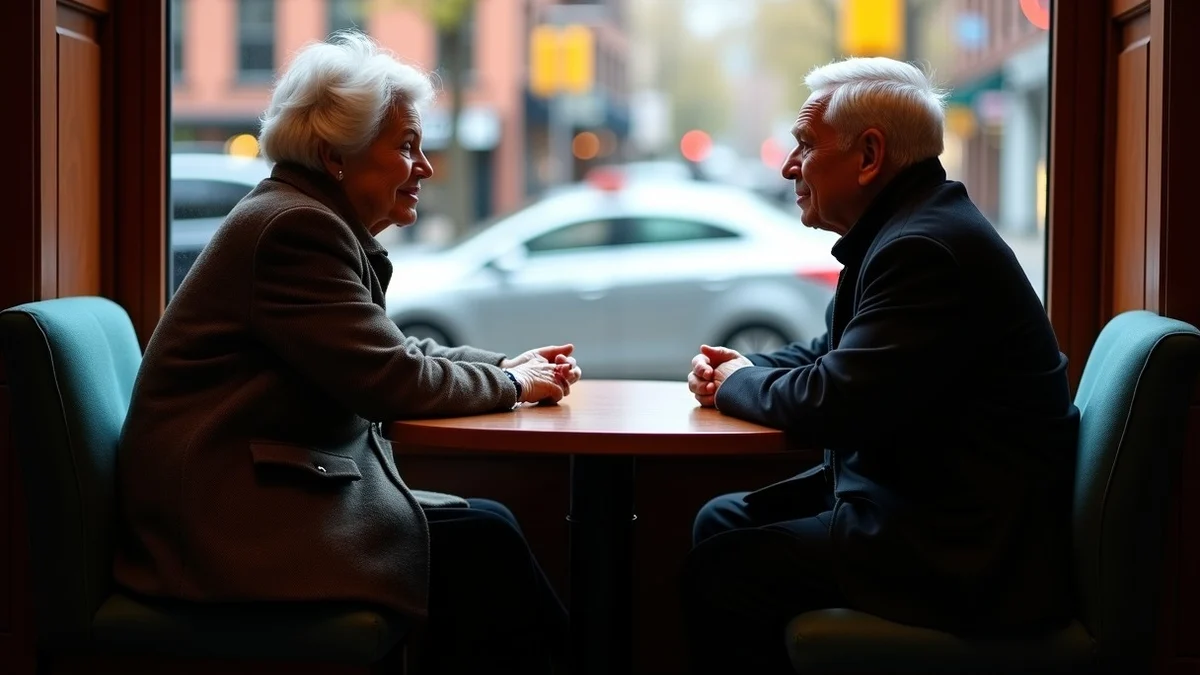
In New York City, a promising connection can be complicated by a cross-borough trip, an uneven schedule, and the question of how much personal history belongs on a first meeting. Widows and widowers can meet people through bereavement-aware social spaces, dating platforms, and interest-based gatherings while setting their own pace for discussing loss and deciding what kind of connection feels welcome now. The right setting is one that matches both your emotional bandwidth and the amount of time you can realistically give to meeting.
Published by Open Connection
When companionship feels welcome but romance remains uncertain
Readiness is not a single switch. Social companionship may mean coffee after work, a museum visit, a walking group, or a dinner companion who understands that a late spouse remains part of your life story. Friendship-first introductions add more personal contact without asking either person to define romance quickly. Casual dating carries a clearer romantic possibility but can still leave room to learn whether affection, physical chemistry, and day-to-day rhythms fit. A committed relationship asks for more: emotional investment, repeated time together, and a shared sense of where the connection could go.
These categories matter because grief does not prevent interest in a new person, yet interest alone may not match the demands of a relationship. Someone may enjoy conversation and still find weekly dates or future-oriented talk too heavy. Another person may be ready for partnership but have little appetite for months of vague messaging. Neither position needs defending. Naming it early prevents a familiar New York problem: two people spending weeks coordinating calendars and train routes only to discover that one hoped for a companion and the other was seeking a partner.
For example, a person who wants company for concerts and Sunday lunches can say so without presenting it as a lesser form of connection. Someone seeking a serious relationship can be equally plain. Friendship-first can be a real preference, not a holding area where one person quietly waits for the other to become ready.
New York offers both bereavement-aware and general ways to connect
Bereavement-aware social groups in New York City bring the greatest shared context. People there are less likely to treat a mention of a late spouse as an awkward interruption, and the first purpose may be conversation or mutual company, not dating. That can feel relieving, though it also means romantic expectations should never be assumed. Widow and widower dating platforms place relationship intent closer to the surface: profiles can state whether someone seeks friendship, dating, or a committed partner, and messaging permits a measured introduction before a meeting. Their limitation is simple: shared loss does not create compatibility in humor, affection, lifestyle, or geography. General interest-based gatherings—book discussions, volunteer projects, language meetups, neighborhood classes, and cultural events—offer a different entry point. They give two people something present-tense to discuss, which can be welcome when grief is not the subject you want to lead with. In a city spread across Manhattan, Brooklyn, Queens, the Bronx, and Staten Island, choose settings within a trip you would willingly repeat. A warm exchange loses force when every date requires a long late-night return journey.
A person’s response to your history reveals emotional compatibility
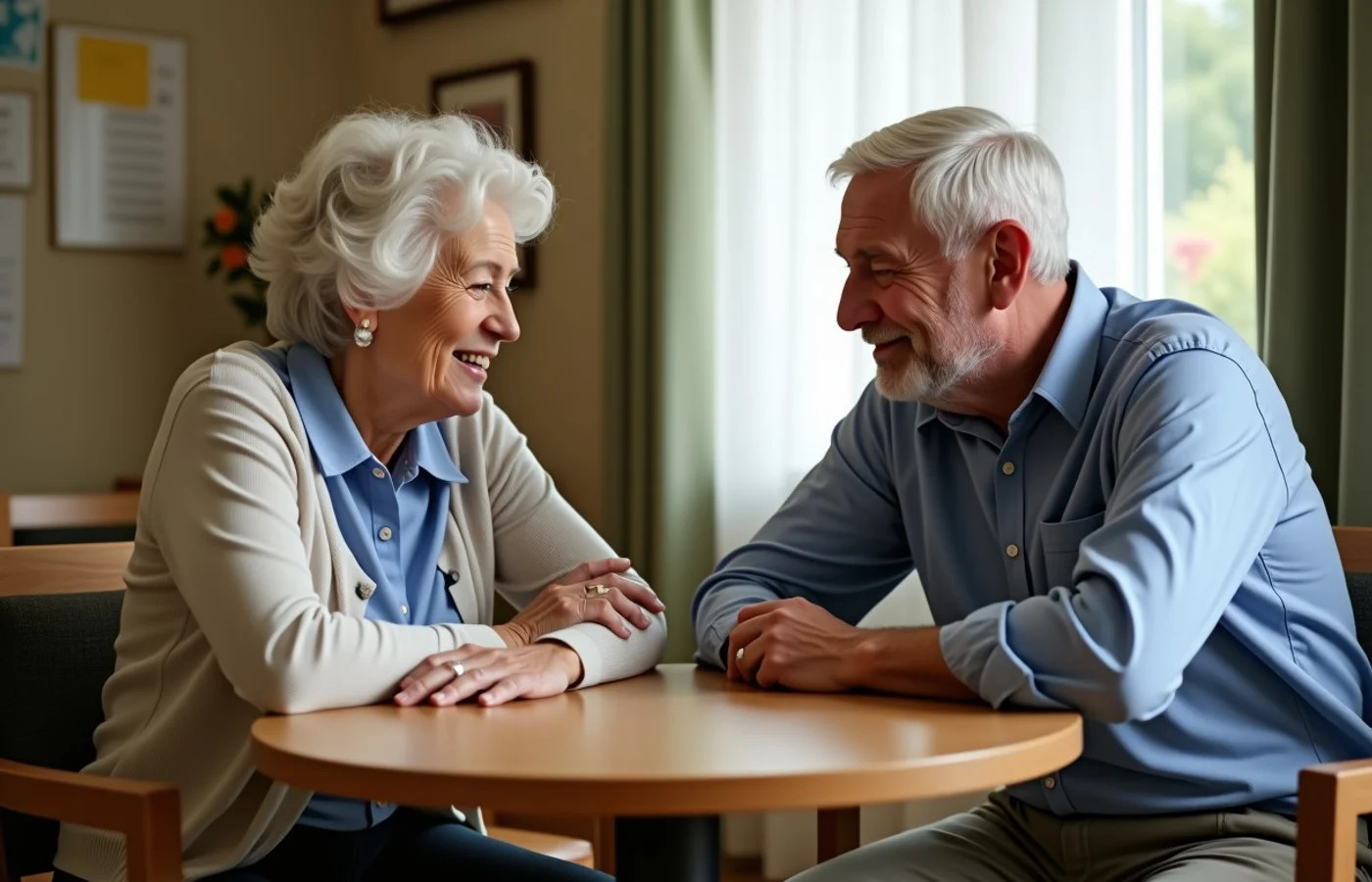
A considerate date hears that you were widowed, acknowledges it without making the moment theatrical, and lets you set the depth of the conversation. Patient curiosity sounds like interest in who you are now, not a demand for a full account of your loss. Dismissive reactions—changing the subject sharply, acting uncomfortable, or implying you should be “over it”—show little capacity for a life that includes memory. Competitive reactions are also revealing: a new person who treats a late spouse as a rival is asking you to erase part of your history for their comfort.
Pressure is the clearest problem. Someone who pushes for intimate details, fast commitment, or proof that you are ready is centered on their timetable. Emotional compatibility does not require identical experiences with loss. It does require enough maturity to understand that affection for a new person and remembrance of a late spouse can coexist.
How can you disclose a late spouse without telling the whole story at once?
A brief profile note or early conversation can establish the fact and your present intention: “I was widowed and am open to getting to know someone steadily.” Details can wait until trust exists. Pair that disclosure with the logistics that shape dating in NYC: your borough, how far you are willing to travel, and whether you can meet once a week, twice a month, or mainly on weekends. That clarity is kinder than building momentum through messages with someone whose schedule or commute will not sustain the connection.
New York provides plenty of ways to meet, but volume is not the same as fit. Put your time into settings where your history will be treated with basic respect, state what you can offer in the present, and let geography count as part of compatibility. A new connection need not replace an old life to deserve attention.