
San Diego offers better places to meet intellectually engaged singles than a credential-only dating search suggests. Start with alumni and continuing-education gatherings, public talks at UC San Diego or San Diego State, professional associations, and cultural programs around Balboa Park. Use dating-app education and interest filters as a first screen, then pay attention to conversation, time priorities, and whether a person can build a relationship outside a crowded career calendar.
Published by Open Connection
San Diego’s educational and professional meeting channels
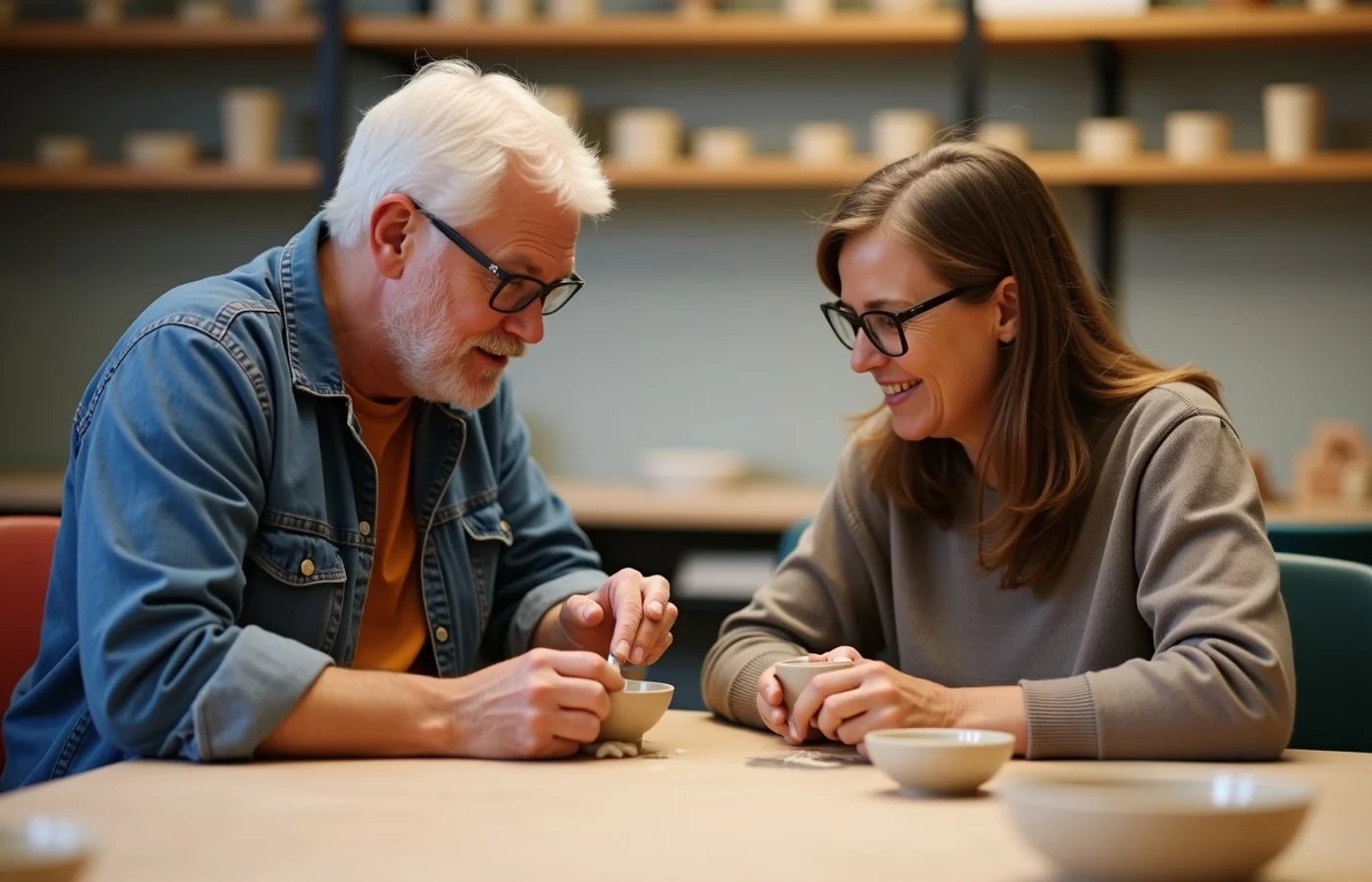
In San Diego, college-educated singles can meet thoughtful people most naturally in settings built around a subject or shared work: alumni gatherings, continuing-education classes, public lectures, museum programs, and professional association events. The conversation already has somewhere to begin, which beats trying to manufacture chemistry across a loud room.
Check public calendars from UC San Diego in La Jolla, San Diego State University, and the University of San Diego for alumni-facing and public learning opportunities. Choose a recurring class, lecture series, volunteer committee, or industry group when possible. A single reception may produce introductions; a course that meets over several weeks creates time to talk after a session and see who actually returns because the topic matters to them.
Balboa Park is especially well suited to cultural plans that do not feel like a job interview: a museum program, exhibition visit, garden walk, or public talk can lead to a real exchange about art, history, science, or the city itself. North Park’s independent cultural and community gatherings can serve a similar role for people based in central neighborhoods. Skip events marketed chiefly as elite networking. They tend to reward business-card exchanges and polished self-presentation, not the relaxed conversation that reveals whether someone is engaging company.
Education filters reveal credentials, not complete compatibility
On dating apps, education filters can narrow a large San Diego pool by school attendance, degree level, or professional background. That can be a sensible starting point for someone who wants a partner familiar with graduate school, licensing exams, research work, or a career path shaped by formal training. It does not tell you how a person handles disagreement, spends a free evening, speaks about former colleagues, or approaches a relationship. A degree field is even thinner information: two people with the same credential may want entirely different lives.
Profile substance deserves more weight. Look for a person who describes an interest with some texture—books they return to, a class they are taking, a civic issue they follow, a craft they care about, or a project that absorbs them. Those details give conversation somewhere to go and reveal more than a university name in a dropdown menu. Education filters are best treated as a way to reduce noise, not as a test of who will be engaging, considerate, or suited to your relationship plans. A polished résumé can coexist with a sparse profile and little effort; that is worth taking at face value.
Intellectual curiosity matters more than matching diplomas

A degree records one chapter of a person’s life. It says far less about how they hold a conversation, handle disagreement, or respond when they encounter an unfamiliar idea. For dating, those habits carry more weight. Notice whether someone asks follow-up questions, can explain what has changed their mind, and shows respect when another person’s work or education took a different route.
That distinction matters in a city with research, health care, education, defense, tourism, and small-business work all operating side by side. A person with an advanced degree may want every discussion to become a contest; a person without one may be an avid reader, skilled craftsperson, curious traveler, or committed learner. Neither credential nor job title settles the question.
Look for conversational generosity. Someone who treats community-college study, trade expertise, self-directed learning, and academic work as worthy of attention is more likely to build a relationship based on mutual regard. Shared curiosity gives two people more to work with than a pair of matching diplomas ever will.
When demanding careers divide the city into separate dating zones
In San Diego, distance is rarely just a number of miles. A weekday plan between La Jolla and North Park can be hard to sustain when one person works near UC San Diego, another has late downtown hours, and both are protecting the small slice of evening left after a full day. A promising connection doesn’t need elaborate dates, but it does need a meeting rhythm that survives traffic, deadlines, and the pull of separate neighborhoods.
Address logistics early, with plain questions about typical work hours, home base, and which nights are realistically open. Someone whose only free time is a narrow Sunday window may still be compatible; the issue is whether the two calendars create enough shared time for a relationship to develop. For first meetings, choose a place that does not saddle one person with the entire cross-city trip—Balboa Park can serve as a fair central option for people coming from different parts of the city. Regularly cancelling because the drive feels too punishing is not a minor scheduling flaw. It is information about what the connection can hold in day-to-day San Diego life.
Signs that achievement is not the only shared value
Achievement is a thin basis for attraction once conversation moves past a job title. Bring up the parts of life that receive time when no one is being evaluated: a weekend spent with siblings, volunteering, cooking for friends, a long walk through Balboa Park, a class pursued for pleasure, or a plan to stay rooted in San Diego. These subjects show what someone protects, enjoys, and expects from a close relationship. They also reveal whether two ambitious people see partnership as a shared life or as another item to fit around work.
Shared values show up in the weight someone gives to leisure, community, family obligations, and future plans. A person may be highly accomplished yet speak about every free hour as negotiable; another may care deeply about career while reserving time for a partner, close friends, caregiving, or civic life. Neither approach is a character verdict. It is a real compatibility question. Listen for interest in your life beyond work, a willingness to discuss what commitment would look like, and respect for choices that do not maximize prestige. College education can supply common reference points. A relationship needs agreement about how the rest of life should be lived.
A degree can point toward shared experiences, but it cannot tell you how someone thinks, listens, spends a weekend, or treats a partner’s ambitions. In San Diego, choose settings that create a reason to talk—an alumni event, museum program, lecture, or industry gathering—and screen early for relationship intent and realistic geography. A promising connection still needs time for dates across neighborhoods, not just an impressive profile.