
Wine is a fine conversation starter, but it is a thin reason to accept a locked-down dating site. Test WineLoversDating.com only when its free access supports real introductions nearby, then compare it with Hinge, Tinder, or Bumble, all free to download in the U.S. with in-app purchases.
Published by Open Connection
Signs that a free tier is too restricted to support introductions
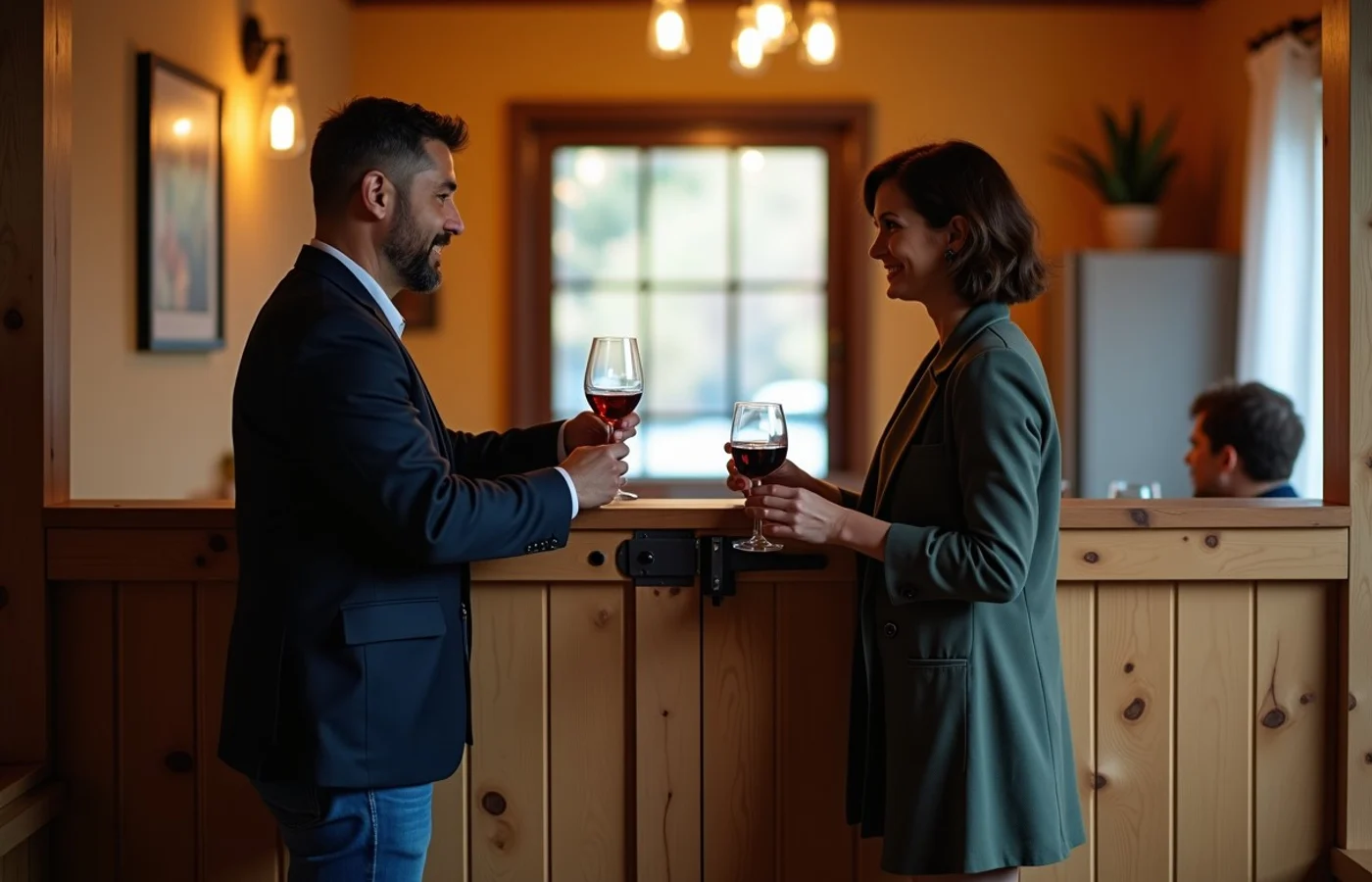
A free account can mean little more than an email login and a visible profile. A workable free tier lets you view enough profiles to judge the local pool, narrow a search in a meaningful way, express interest, form a match, and take part in an actual conversation. A site that blocks every message behind payment has not provided a free route to dating, even when registration costs nothing.
Use a short trial run before spending time on photos and long profile answers. Find out what happens after a like or match: Can you read a reply, send one, and continue the exchange? Also notice whether profile browsing stops after a small number of views or whether distance and interest filters are locked. Those limits decide whether wine is a shared interest or merely a marketing label on the sign-up page.
Which features help wine lovers find one another?
- Feature: Wine-interest tags and keyword search Helps When: A tag for wine, a searchable profile term, or both can bring the interest to the surface before a match. Search has more value when it distinguishes a casual tasting interest from a profile that mentions wine once in passing. Constraint: A broad tag can return people with very different habits and intentions, so it is a starting point, not a compatibility test.
- Feature: Lifestyle prompts Helps When: Written prompts can reveal the part of wine someone enjoys: learning about regions, cooking, hosting dinner, visiting tasting rooms, or taking a class. Constraint: A vague claim of loving wine provides little to respond to and says nothing about relationship intent.
- Feature: Groups and event tools Helps When: A wine discussion group, class listing, or local event feature can create a shared context beyond swiping through profiles. Constraint: An inactive group or old event listing adds clutter, not introductions.
- Feature: Distance controls and recent-activity indicators Helps When: A clear radius and visible signs of recent use show whether a wine-interest search reaches people who are close enough to meet. Constraint: A long list means little when the nearest active profiles require a trip that neither person will realistically make.
A large mainstream app may surface more local wine enthusiasts
WineLoversDating.com presents itself as a dating site centered on wine lovers. That focus puts a mutual interest in view early and can create an immediate topic for a profile or date plan. Its narrow premise can also leave a thin set of visible profiles once the search moves beyond a major metro area.
Hinge, Tinder, and Bumble serve broader dating audiences, and each is free to download with in-app purchases. Wine is not their organizing premise, so it needs to earn attention through profile writing and interest cues. In exchange, a broader audience may produce more nearby people who enjoy tastings, food pairings, or wine classes. Run the same local search on a niche site and one broad app before treating either as your main option.
Current pricing and feature-limit evidence

Free is a moving label in dating. The U.S. App Store listings for Hinge, Tinder, and Bumble identify the apps as free to download and note in-app purchases; that establishes the cost to install them, not the cost or rules for every part of dating on them. WineLoversDating.com’s wine-centered identity likewise does not answer the crucial access question: whether a free member can browse, match, initiate contact, read messages, and reply without a paid plan.
Read the official U.S. pricing and help pages before committing to a service. Find the answer for account creation, profile viewing, interest and match limits, message rules, paid upgrades, trial length, renewal terms, and cancellation instructions. Feature gates can change, and a trial can carry terms that do not fit a casual test. A service is free for your purpose only when the unpaid account permits the path you need from profile discovery through a real conversation.
When the nearest active matches are too far away
A wine-focused search can look lively until distance enters the picture. Start with the radius you could comfortably travel for a first coffee, tasting, or dinner on a normal week, then review the profiles visible within it. Where a service shows location, distance, or recent-use information, use those details to separate nearby accounts from people who may no longer be participating. A list of promising profiles 80 miles away is not a local community. Expand the radius only after deciding what travel you would accept more than once; a match that requires a half-day commitment for every meeting will fade quickly, even when the shared interest is real.
Write about wine in a way that invites conversation
Wine works best as a scene in a profile, not an identity badge. Mention an interest in learning about a region, a tasting class you would take, or the pleasure of cooking a meal around a thoughtfully chosen bottle. Add another part of your life—books, cycling, live music, volunteering, family dinners—and state what kind of connection you are seeking. That gives a match several honest ways into the conversation without suggesting that drinking is the center of your social life.
A shared wine interest can open a conversation but cannot carry a relationship
Move from wine to the matters that shape a relationship: whether each person wants casual dating or commitment, how their weeks are structured, how they communicate, and what they value at home and in community. Alcohol-use compatibility also deserves plain language. Someone who enjoys an occasional tasting may not fit a person whose weekends revolve around wine events. Mutual curiosity is promising; compatible routines and intentions are what make a date worth pursuing.
Wine can sharpen a first search and supply a better opening than a generic compliment. It should not convince you to pay for an empty local pool or overlook a mismatch in daily life. Put conversation access and nearby activity ahead of the wine label.
References
- Hinge on the Apple App Store — Apple App Store
- Tinder on the Apple App Store — Apple App Store
- Bumble on the Apple App Store — Apple App Store
- WineLoversDating.com official site — WineLoversDating.com
- Hinge — official information — Hinge
- Tinder — official information — Tinder