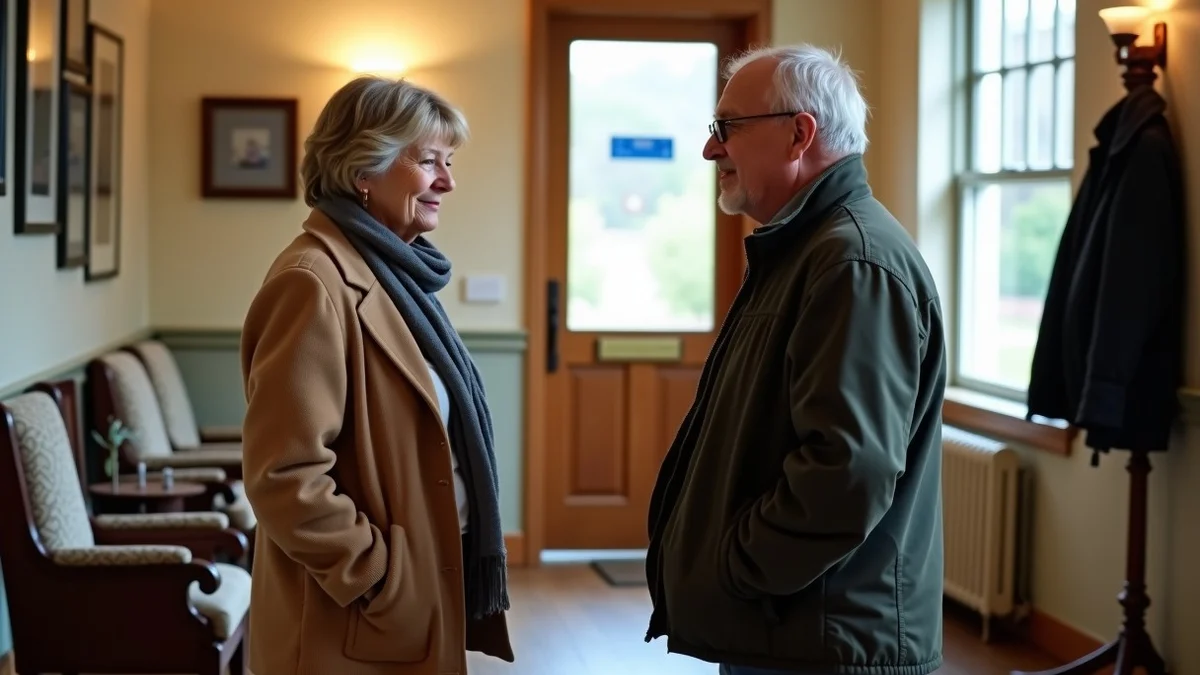
After a Saturday afternoon cultural program, a recently widowed Yonkers resident enjoys a conversation yet feels unsure whether a second meeting is fair to anyone. Widows and widowers in Yonkers meet people through community activities and online dating while naming companionship or romance early and keeping dates within an emotional and travel pace they can sustain.
Published by Open Connection
Readiness, Interest, and Permission to Connect Again

Bereavement does not set a date when connection becomes permissible. Readiness has more to do with curiosity, emotional capacity, time and energy, and willingness than the number of months or years since a spouse died. Someone can still carry grief and fully enjoy dinner, a walk, or a new conversation. Missing a late spouse does not cancel interest in another person.
Readiness appears in day-to-day decisions. Consider whether you make and keep plans, hear about another person’s life without turning every exchange into a discussion of loss, and have the energy for occasional messages and a first date without feeling depleted. Those answers matter more than outside opinions about when dating should begin.
Yonkers Groups and Activities Can Support Familiarity Before Dating
In Yonkers, classes, cultural programs, volunteer work, recreation, and community gatherings offer a slower route into new company. Check the Yonkers Public Library calendar for talks, learning events, and civic activities. A museum program at the Hudson River Museum or a daytime visit to Untermyer Gardens also suits a low-stakes first conversation after two people have met through a group.
These settings help because the activity supplies a subject before anyone has to define the connection. Bereavement support communities offer understanding and companionship, but do not treat them as a dating pool. Join because the gathering itself fits your life; any later connection will be clearer and kinder on that footing.
Companionship and Romance Require Different Expectations
Companionship can include shared lunches, museum visits, calls during the week, and a warm friendship with no expectation of physical affection or exclusivity. Romance raises different questions: whether affection is welcome, how often each person wants to meet, whether either person is seeing others, and whether a long-term partnership is on the table.
Leaving those categories blurry creates avoidable hurt. A person hoping for a travel companion and occasional dinner should say so in a profile and early conversation. A person open to a committed relationship should say that too, without promising a timetable. Being widowed explains part of one’s history; it does not answer what one wants now.
Online profiles benefit from plain details about schedule and intent. Mentioning an interest in companionship, dating, affection, or partnership screens for different expectations. It also prevents a promising local match from assuming that frequent texting, exclusivity, or physical intimacy means the same thing to both people.
When Local Matches Extend Beyond Yonkers

Keep Yonkers at the center of a dating search without treating it as a hard border. Reachable parts of Westchester may fit someone who wants to see a new person weekly and prefers a straightforward drive or transit trip. New York City expands the pool, but a match across a borough can turn a short map distance into a long door-to-door outing. That difference matters after the novelty of the first date wears off.
Set your radius from the life you actually have. For someone free for one evening a week, a longer trip to Manhattan and a recurring cross-borough arrangement make very different demands. A preference for daytime meetings often puts nearby Westchester ahead. Before investing in a long message exchange, establish whether each person is willing to travel, where a first meeting would happen, and how often crossing county or borough lines feels sustainable.
A wider radius is worth using when both people can share the travel burden. It is a poor fit when one person expects the other to do all the commuting. For a first meeting, a familiar Yonkers setting such as the Hudson River Museum or Untermyer Gardens can keep the logistics simple, especially when one person is unsure about committing to a full evening.
How Much Should You Share About Widowhood Early On?
Early honesty has a narrow job: it gives a match accurate context. A profile or first conversation can identify that you are widowed and indicate whether you are seeking friendship, dating, or a relationship. Medical history, family conflict, end-of-life details, and the private circumstances of a spouse’s death belong to you and do not need to accompany an introduction.
Share more when trust develops and when the relationship has a reason to hold that information. Someone who treats a clear boundary as evasive has shown poor judgment. Widowhood is a fact about your life, not a full biography for a stranger.
Protect a Pace That Respects Both Grief and New Interest
Keep early messaging limited enough that it does not create a relationship before two people have spent time together. A short coffee, a walk, or a cultural outing can establish whether conversation feels comfortable. There is no prize for extending a first date, introducing family quickly, or moving to daily contact because the other person is eager.
Exclusivity deserves an explicit conversation once both people want that commitment. Anniversaries, birthdays, and dates connected to a late spouse may call for quiet time or a change of plans; state that need plainly. Comparisons will arise, but a new partner should not be asked to compete with a marriage that ended through death. They do deserve to know whether affection, availability, and future plans are being offered in the present.
Pull back when a match pushes for faster intimacy, more disclosure, or a commitment you have not chosen. Interest that can survive a slower pace is the only kind worth building after loss.
Meeting people after loss does not require erasing the marriage or defending a new interest. In Yonkers, begin with contact you can sustain and state your intent cleanly. The condition that changes the answer most is your present capacity to welcome someone new.