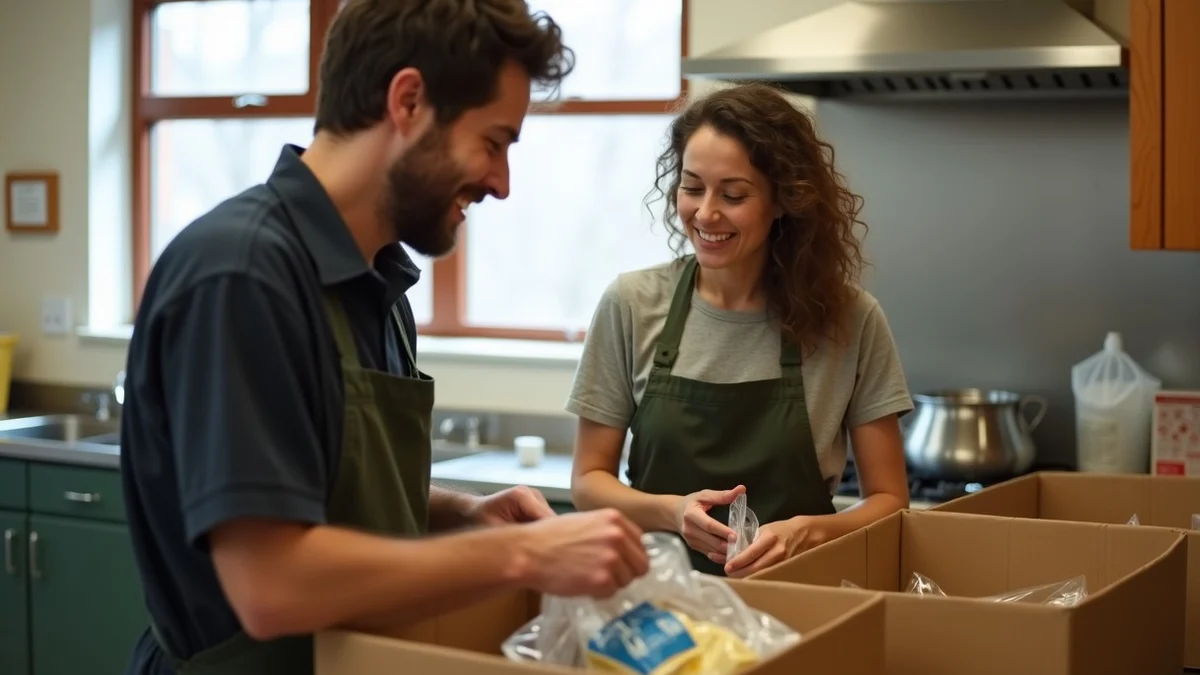
Baltimore has more than one route into Jewish social life, and the strongest routes connect dating to a real community activity rather than a one-night mixer. Jewish singles can meet through congregational programs, cultural events, volunteering, recurring groups, and introductions from people who know both parties well.
Published by Open Connection
Baltimore Offers Multiple Routes Into Jewish Community Life
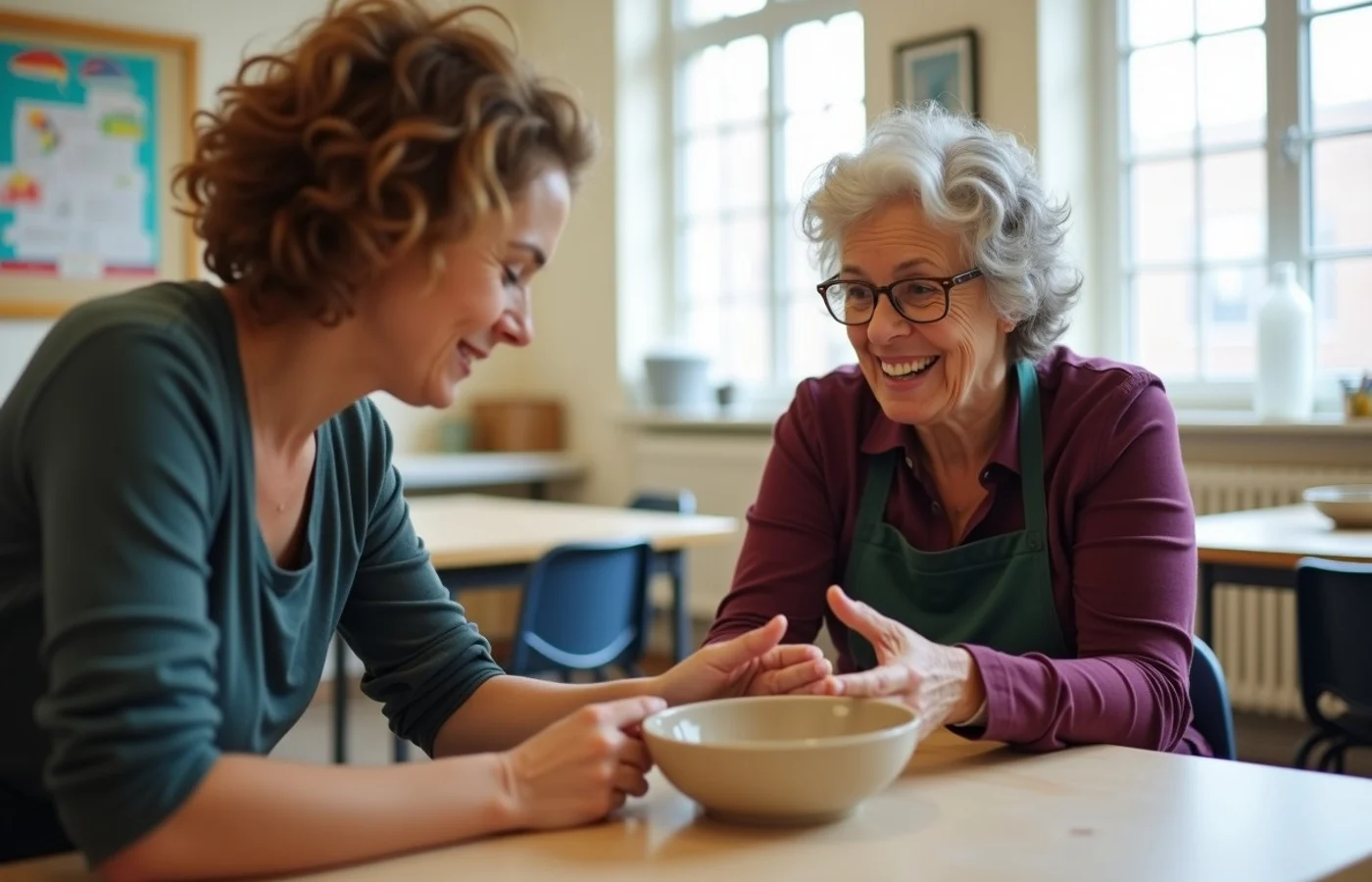
Baltimore’s Jewish community has several entry points, each attracting people for a different reason. The Jewish Community Center of Greater Baltimore is an activity-based setting where classes, fitness, arts, and community programs can place people in the same room more than once. The Associated: Jewish Federation of Baltimore connects people with local Jewish communal life and can point newcomers toward service and young-adult activity. For a cultural route that does not presume congregational affiliation, the Jewish Museum of Maryland offers a setting centered on history, exhibits, and public programs. Congregations add another channel: Beth El Congregation and Chizuk Amuno Congregation in Pikesville, along with Baltimore Hebrew Congregation, can be places to look for adult learning, holiday programming, volunteer work, and social networks. These channels matter because they reveal different parts of a person’s life. A service project shows how someone participates; an adult-education program exposes shared curiosity; a congregation may signal worship and family tradition. Alumni circles, coworkers, relatives, and longtime friends remain part of the local map as well. In a city with established community networks, a warm introduction often carries more context than a profile ever could.
Where Do Jewish Singles Events and Introductions Begin?
Start with community calendars from congregations, the JCC, cultural institutions, and federation-connected organizations. Search for recurring adult programs, volunteering, holiday gatherings, learning series, and small-group events rather than relying only on a singles label. A recurring setting creates a second conversation without the forced atmosphere of a rapid-fire event.
Introductions often begin with a trusted host or friend who understands more than age and location. Mention the kind of connection you are open to, the role Judaism has in your life, and whether you are dating toward commitment. Where a community matchmaker is available, give the same information. Vague requests produce vague introductions; a short, candid description gives someone enough to make a thoughtful connection.
When Religious Practice and Cultural Identity Do Not Align Neatly
Jewish identity can shape a person’s week, family calendar, food, politics, language, childhood memories, or sense of belonging without fitting neatly into observant or secular. Those labels compress too much. Someone may attend services rarely but keep Shabbat dinner, volunteer through a synagogue without seeking religious practice at home, or feel strongly attached to Jewish culture while dating across faith lines.
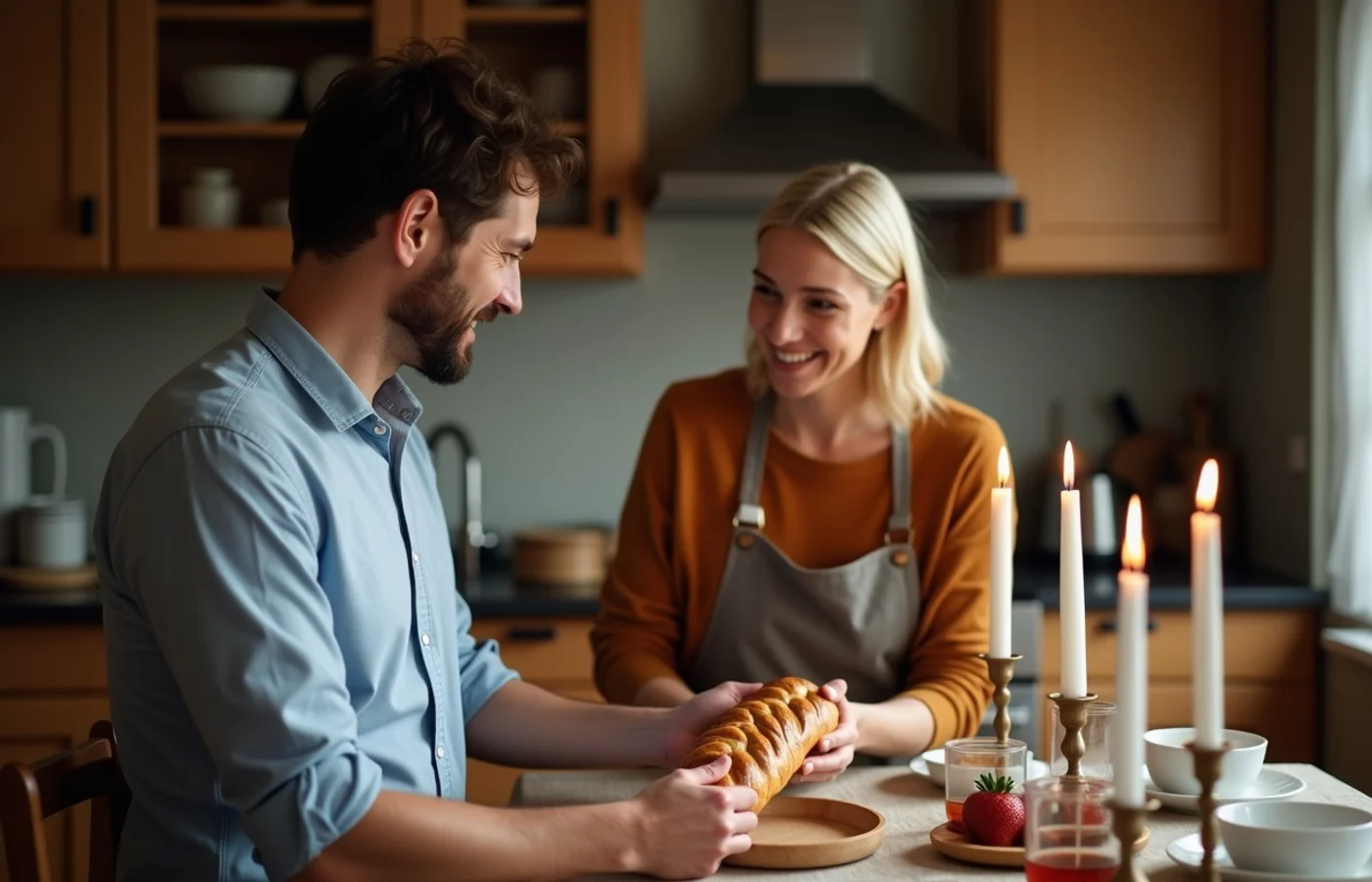
Describe the parts that govern daily life. Mention whether Shabbat is social, religious, or both; whether kosher practice matters at home or when dining out; whether High Holidays are family commitments; and whether synagogue membership or communal service is central. That information is more revealing than a broad identity tag and prevents a promising introduction from failing over assumptions neither person named.
Faith, Family Traditions, and Everyday Compatibility
| Area | Discussion | Why It Matters |
|---|---|---|
| Holidays and weekends | How are Shabbat, High Holidays, Passover, and family gatherings usually observed? | Calendar commitments can shape travel, hosting, childcare, and time with extended family. |
| Food at home and out | Are there kosher practices, dietary boundaries, or holiday food traditions that need to be shared? | Eating together is routine; incompatible assumptions surface quickly. |
| Worship and community | Does synagogue attendance, study, volunteering, or communal leadership belong in weekly life? | One person may see this as a core commitment while another sees it as occasional participation. |
| Future household and family | What place should Jewish education, ritual, relatives, and communal affiliation have in a future home? | Marriage intentions are incomplete without some view of the life being built after the wedding. |
State Relationship, Marriage, and Interfaith Intentions Clearly
Relationship intentions belong near the beginning, especially in a community where introductions may come through friends or family. Name whether you are seeking a committed partnership, whether marriage is part of the path you are considering, and what kind of household you envision. Interfaith preferences deserve the same directness: some people seek a Jewish partner, some are open to an interfaith relationship with shared commitments around Jewish life, and some do not place religion at the center of partner selection. State your own position without assigning one to the other person. The point is not to demand instant agreement on every future decision; it is to prevent two people from spending months assuming they are building toward the same kind of life.
Community Participation Should Be Genuine, Not Transactional
A community event is not a dating floor with better snacks. A museum program exists for its subject, a volunteer shift exists to serve others, and a congregational gathering often carries religious or family meaning. People notice the difference between someone who joins the work, listens, and meets others naturally and someone who scans the room for prospects. The second approach narrows a community fast.
Participation earns familiarity because people see how you show up: on time, attentive to the activity, respectful of organizers, and able to hold a conversation that is not a pitch. Attend events that you would value even if no date emerged. In Baltimore, that might mean returning to a JCC program, helping through a federation-connected project, or joining a Pikesville congregation’s adult activity where the format fits your own practice. Interest can be expressed after a real conversation, privately and without monopolizing someone’s evening. Community life lasts longer than a single introduction, so conduct within it matters.
Baltimore’s Jewish community offers connection through culture, service, congregational life, and trusted introductions. Bring a clear account of your Jewish life and relationship direction, then join spaces where you can contribute rather than merely search.
Sources for this guide
- Jewish Community Center of Greater Baltimore — official information — Jewish Community Center of Greater Baltimore
- The Associated: Jewish Federation of Baltimore — official information — The Associated: Jewish Federation of Baltimore
- Chizuk Amuno Congregation — official information — Chizuk Amuno Congregation
- Baltimore Hebrew Congregation — official information — Baltimore Hebrew Congregation
- Jewish Museum of Maryland — official information — Jewish Museum of Maryland
- Beth El Congregation — official information — Beth El Congregation