
Phoenix-area dating comes with a real logistical issue: a promising match in Scottsdale, Tempe, or Mesa can be far enough away to shape whether a connection survives past one date. For local Jewish singles dating in Phoenix, the strongest approach combines one community route with one online route, then states religious practice, relationship intent, and a realistic metro radius early. Jewish identity alone is too broad a filter for anyone seeking a shared household or marriage.
Published by Open Connection
Phoenix offers both community-based and online routes to connection
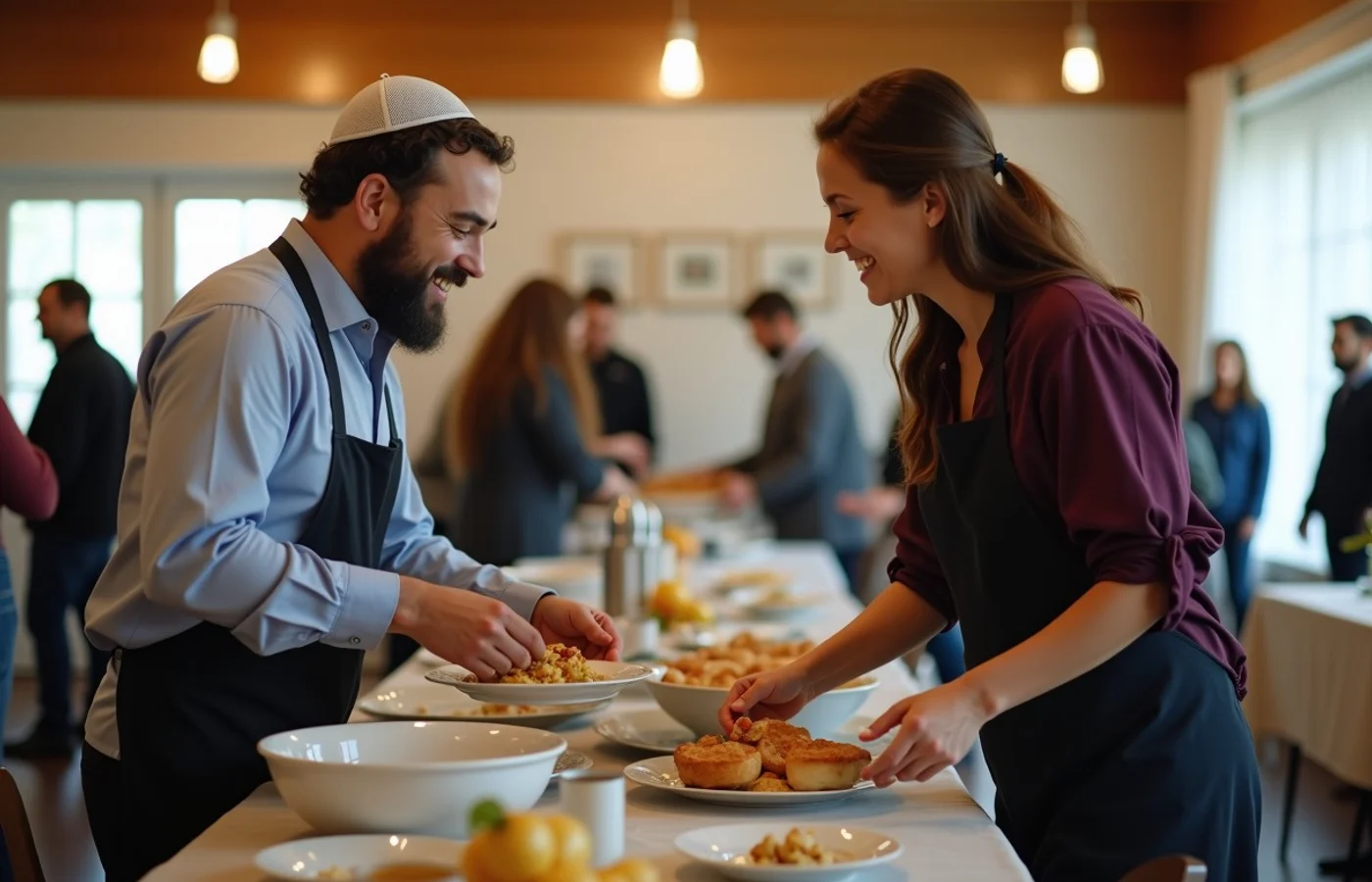
Community settings put people in contact around an activity, tradition, or shared network rather than a profile photo. Synagogue social groups, Jewish cultural programming, holiday gatherings, volunteer projects, and introductions through friends tend to suit people who want their dating life connected to an existing community. They can also be slow. A recurring gathering may bring familiarity, but it is not a fast way to meet many eligible people.
Dating apps widen the Phoenix pool and reveal relationship intent sooner. They are better for someone who wants to name marriage, long-term partnership, Jewish practice, or an interfaith preference before investing several evenings. Use both routes for different jobs: community for grounded contact and apps for reach and early filtering.
Signals that religious practice and relationship goals align
A profile that says Jewish without further detail leaves out the part that affects everyday life. State what belongs in your future home: regular Shabbat observance, holiday gatherings, kosher food at home, synagogue membership, cultural connection without regular services, or another clear description. That information is not a test of Jewishness. It tells a prospective date what daily and annual commitments they would be joining.
Relationship intent deserves the same plain treatment. Someone dating toward marriage needs more than shared holiday plans; they need agreement on the kind of household, family involvement, and Jewish life they expect to build. Someone seeking companionship or friendship first should say that too, rather than allowing a marriage-minded match to fill in the blanks.
Synagogue involvement can signal that community will matter, but it cannot answer every practical question. Talk about how often each person attends services, what Shabbat means in practice, and which holidays carry family obligations before those differences turn into calendar conflicts.
If interfaith dating becomes part of the conversation
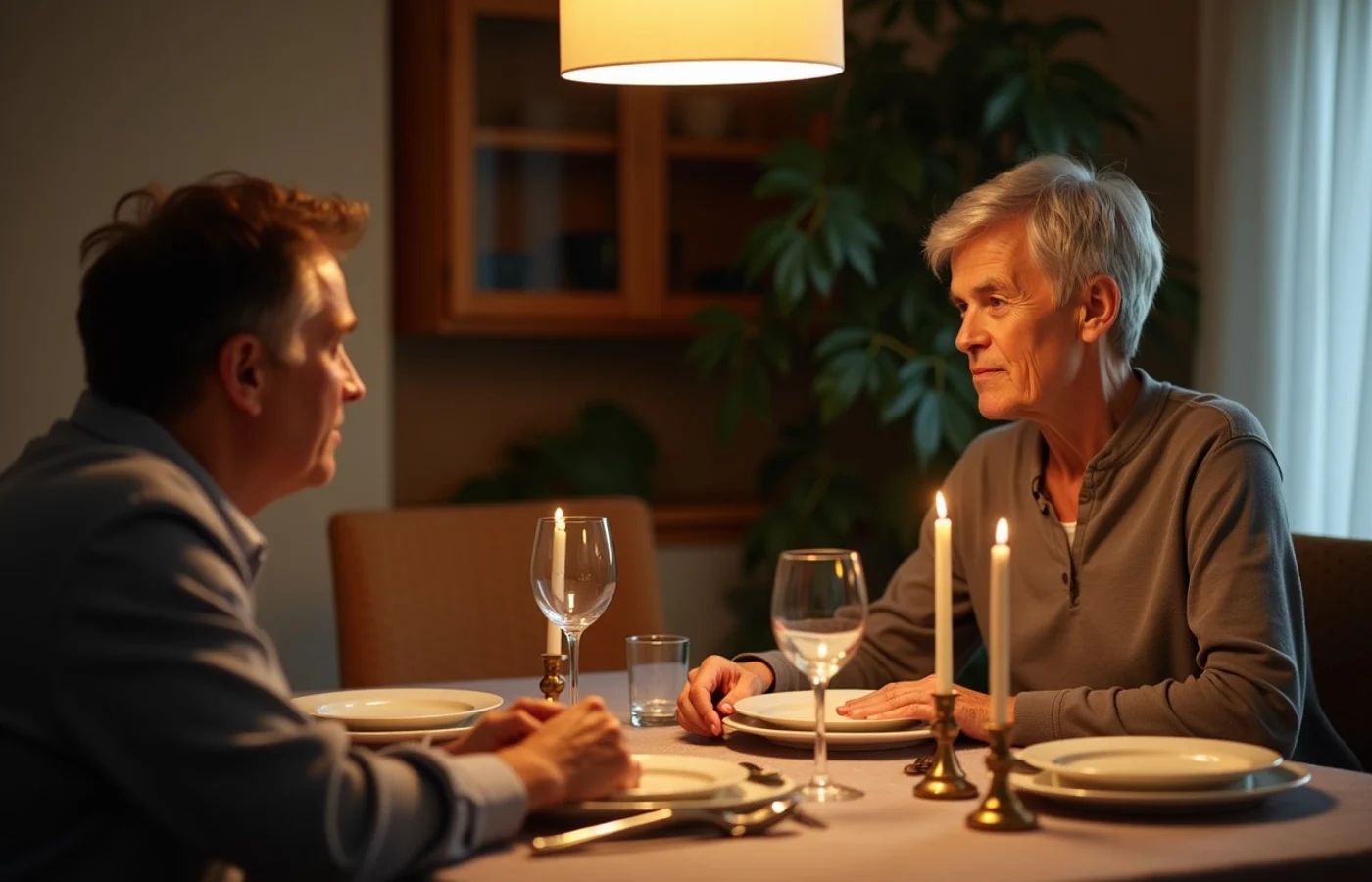
Interfaith dating calls for an early conversation about family reactions, religious ceremonies, holiday participation, children, and whether either person expects a partner to convert. Leaving those subjects for a later, more emotionally loaded stage is inefficient and often unfair.
Ask plainly whether both people can attend each other’s family events, how Jewish holidays would be observed at home, and what religious education or traditions would be part of a future family. A person who welcomes an interfaith relationship but expects a fully Jewish household should say so; a partner deserves the chance to opt in or out with clear information.
Synagogues, cultural groups, and Jewish social events
Phoenix-area Jewish community life offers more credible ways to meet people than treating every service or holiday meal as a singles mixer. Look for adult learning, volunteer days, cultural programs, young-adult or age-based gatherings, holiday-centered events, and community sports or arts activities. Attend the parts that you would value even if no date emerged. That approach produces better conversations and avoids the awkwardness of treating congregants as prospects on a shopping list. Friends and relatives who know your practice level and relationship plans can also make introductions; give them enough detail to avoid a vague setup with someone whose life cannot fit yours.
How wide should your Phoenix-area search radius be?
- Search Area: Phoenix and nearby central neighborhoods Benefit: Shorter trips support weeknight dates, recurring community involvement, and a faster sense of whether schedules fit. Cost: A tight radius can exclude compatible Jewish singles in Scottsdale, Tempe, Mesa, and other parts of the metro.
- Search Area: Phoenix, Scottsdale, and Tempe Benefit: This reaches several major parts of the metro without treating every date as a major expedition. Cost: Cross-city travel still needs to be acceptable for both people after the novelty of a first meeting fades.
- Search Area: The wider Phoenix metro, including Mesa and farther communities Benefit: A broader filter creates more options when shared Jewish practice or marriage plans matter more than proximity. Cost: Only use it when you would realistically alternate travel and sustain the distance for regular dates, holidays, and community commitments.
Phoenix offers enough community and online pathways to avoid settling for a vague religious match. Name the life you want to share, choose a radius you can live with, and let that clarity narrow the field.