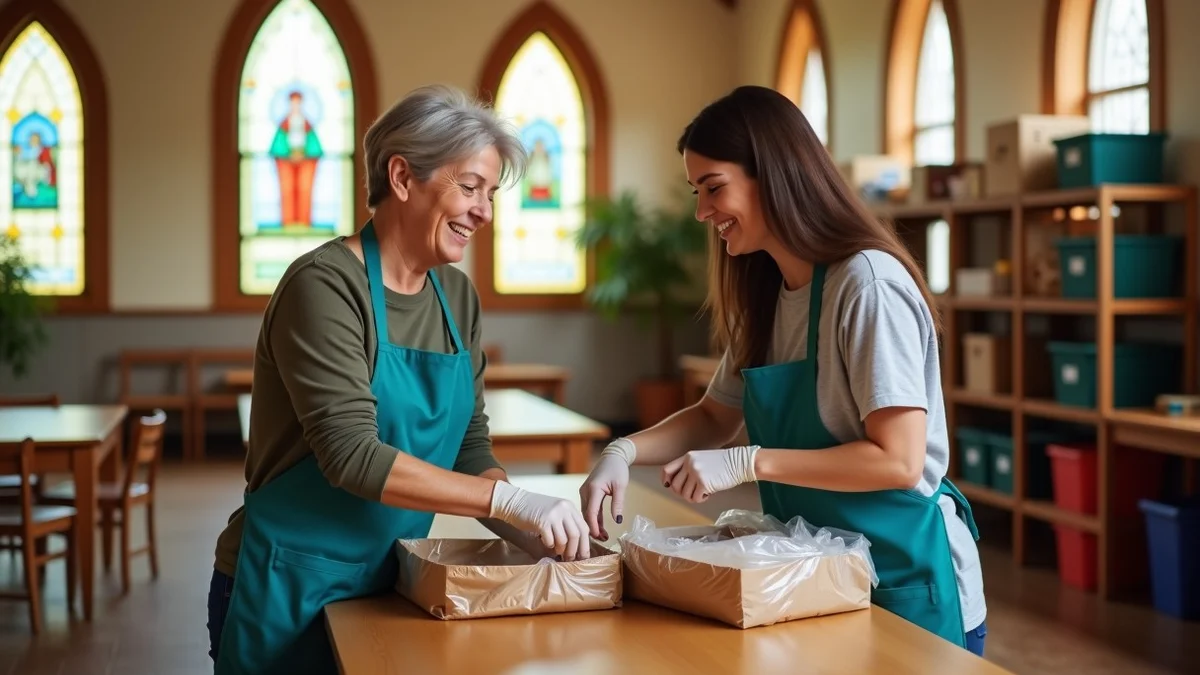
Christian dating in San Francisco works best when faith is part of regular community life rather than a profile detail. Local Christian singles can meet compatible people by joining two faith communities they attend regularly and stating that they are open to a committed relationship. For example, someone could return weekly to a Nob Hill congregation and hold a regular service role with a city-based Christian organization, giving familiar faces time to become real connections.
Published by Open Connection
Where Faith and City Life Pull Social Circles in Different Directions
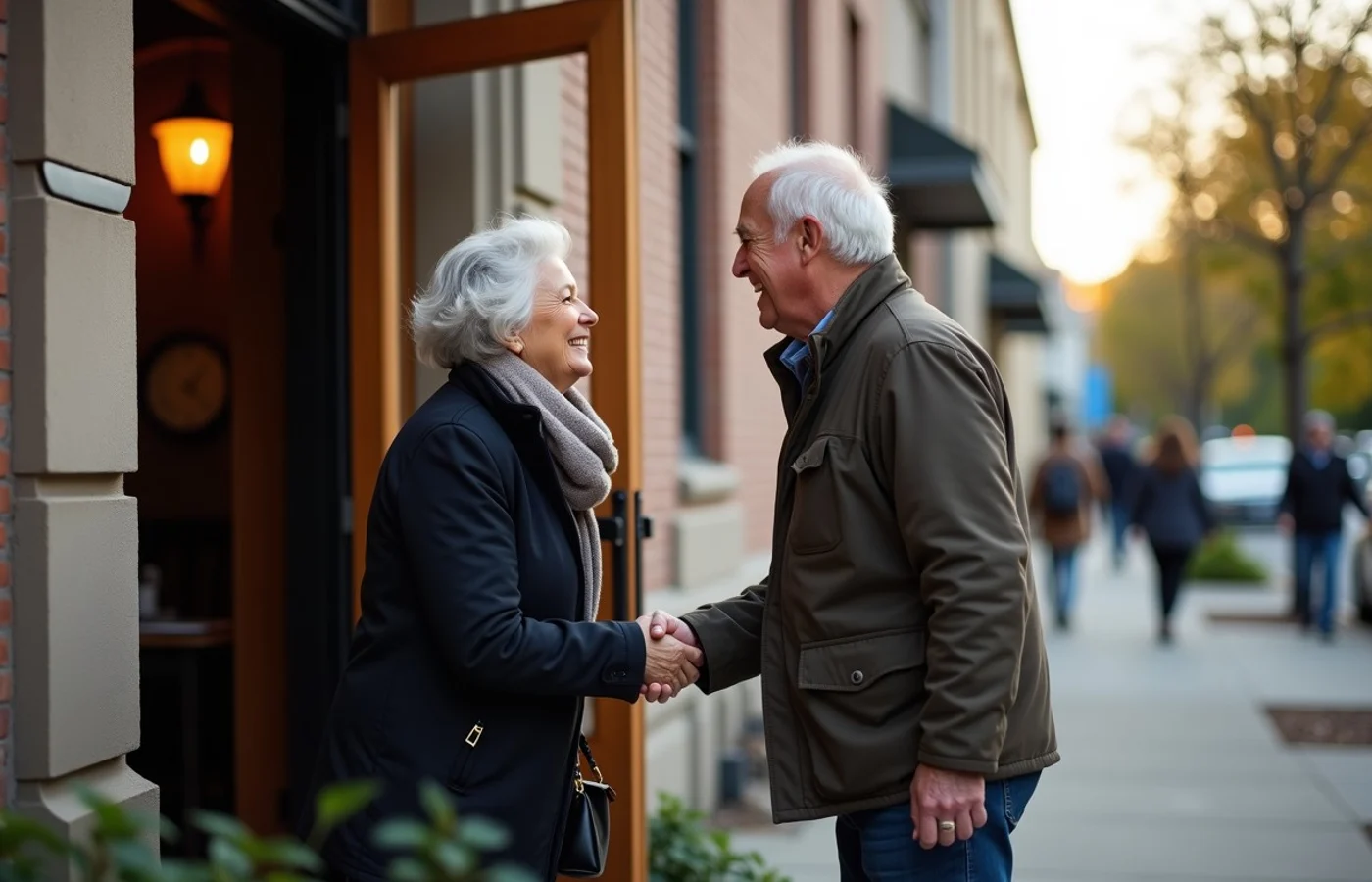
San Francisco puts many activities on a small map, but church social life is often spread across the city. Someone may worship near home, work late downtown, volunteer in another neighborhood, and have friends across the Bay. Large congregations offer many faces but little repeat contact after a service; smaller neighborhood churches bring more recognition but a smaller pool. Shifting work schedules and long trips across the city also mean that a one-time gathering rarely leads far. Regular attendance turns a local faith community into a social circle.
San Francisco Congregations Create Different Kinds of Social Contact
Large congregations suit Christians seeking a broader age range, several groups, and a full calendar of classes or service opportunities. Grace Cathedral in Nob Hill, for example, is a central San Francisco Christian gathering place for people who prefer a cathedral setting and build contact by taking part beyond one service. Its size brings more activity, though a Sunday visit alone often leaves little time to talk.
Neighborhood congregations offer a different kind of contact: fewer people, more recognition, and more chances to work alongside the same people. Catholic singles who want parish life may look at communities such as St. Ignatius Church, where parish involvement connects worship, service, and social ties. The question is not which format appears most impressive. Choose the one where faith practice and relationship-minded peers meet often enough to get to know each other.
Interchurch groups and faith-centered social events extend the circle beyond one congregation. They work best when they lead to something regular, such as a discussion group, volunteer role, or meal after worship. A one-off mixer may provide names, but it rarely shows how someone joins in, keeps commitments, or lives out faith day to day.
Signs a Community Reflects Your Denominational and Theological Priorities
Read a community's faith statement and current ministry pages before spending months in its social life. Teaching themes, denominational ties, leadership roles, sacramental practice, and views on marriage often shape the relationships formed there. These details affect daily compatibility: whether Sunday worship anchors a couple's week, how each person relates to church authority, and what family life may look like. Compare the public information with what people do in groups, service teams, and leadership roles.
Which Service Settings Make Conversation Develop Naturally?
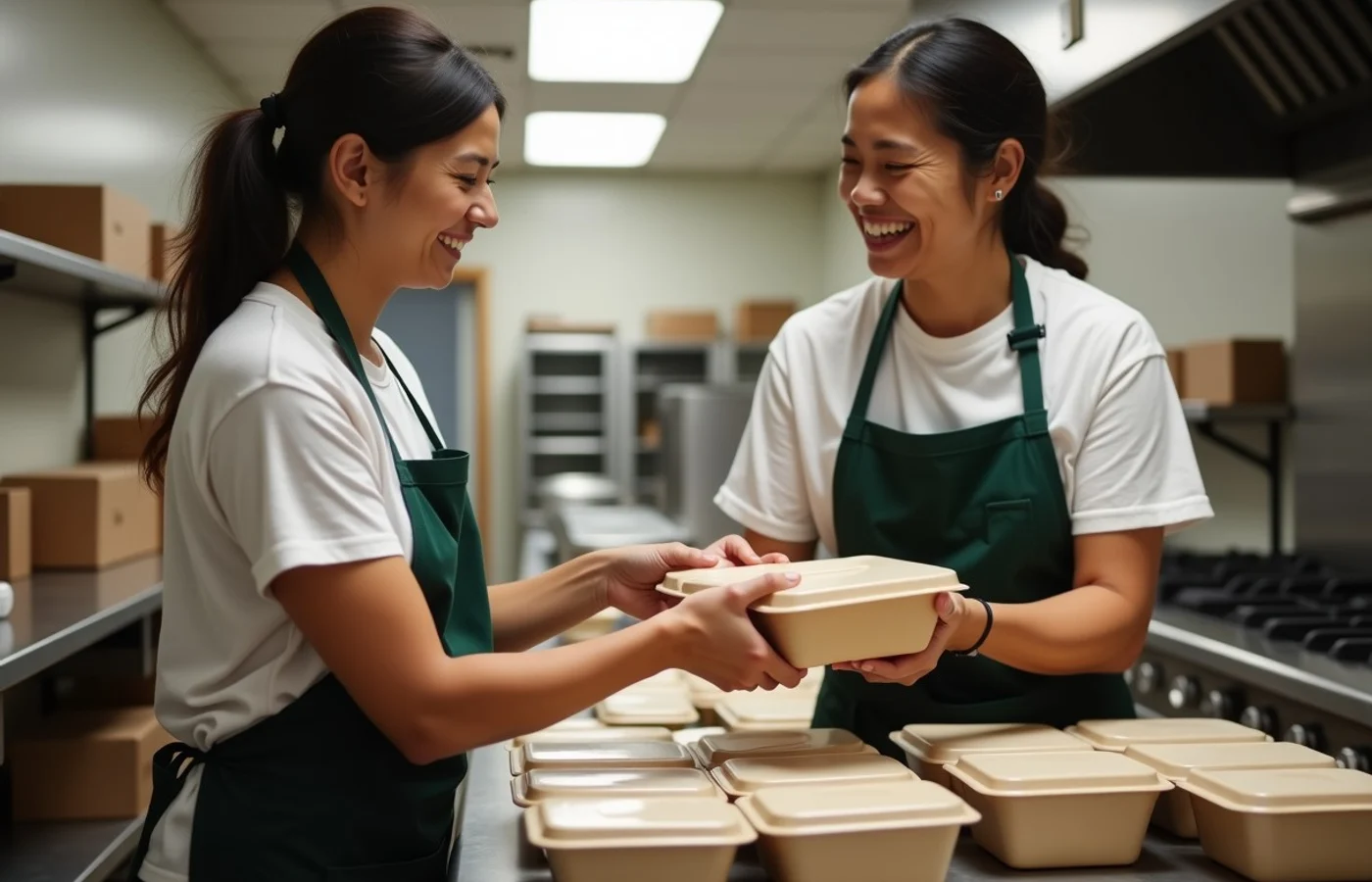
Service creates a better setting for connection when the work requires people to return, coordinate, and share responsibility. Meal support, donation sorting, hospitality teams, community outreach, and recurring setup or cleanup roles all create time for conversation without making beneficiaries or volunteers part of a dating exercise.
GLIDE, a San Francisco Christian community organization in the Tenderloin, is one service-centered setting to consider; check its current volunteer options and choose a role you can keep up. Go there to serve the mission. If you get to know someone, invite them for coffee away from the service setting and keep the volunteer role separate from dating.
State Your Relationship Intent Without Making an Immediate Demand
Faith communities can lead to assumptions: one person wants friendship, while another assumes every single attendee is considering marriage. Say what you mean early. During an introduction or early conversation, state the basics: you are single, you date with commitment in mind, and faith has a set place in your week. Also mention your preferred pace, especially if you want time to get acquainted before defining a relationship.
Specificity need not turn a coffee invitation into a life plan. Someone who attends church weekly, wants a long-term partner, and prefers to take dating slowly has communicated enough for the other person to respond honestly. The person asking should also accept a clear lack of interest without making future church or volunteer contact uncomfortable.
LGBTQ-Affirming Communities and Public Inclusion Signals
LGBTQ Christian singles should treat broad welcome language as an opening question, not a complete answer. Look for explicit statements about LGBTQ inclusion, then check what those statements mean in the life of the congregation: whether LGBTQ people can hold leadership roles, participate fully in ministry, have their relationships recognized, and see themselves represented in teaching and community life. Published policies on marriage, ordination, employment, or membership often answer questions that a warm greeting leaves unresolved. A community that speaks of belonging while restricting leadership or relationship recognition has set a concrete boundary, even when individual members are kind. This matters for dating because a couple may eventually need shared worship, friends who know their relationship, and a community that does not ask either person to conceal a central part of life. Ask directly about current practice before committing social energy to a group.
Faith Alignment Can Coexist with Difficult Travel Expectations
A strong faith match across the Bay can still create a weak weekly routine. Set a travel boundary before joining a distant group or pursuing someone whose home church is far from yours: identify the evenings you can travel, the maximum one-way trip that feels sustainable, and whether weekends are already committed to worship, family, or service.
San Francisco geography also matters after a first connection. A daytime walk in Golden Gate Park can offer a low-pressure setting for a first date, but regular dating requires more than one convenient Saturday. Shared faith holds up better when both people can participate in each other's communities without one person carrying every cross-city trip.
Meeting Christian singles in San Francisco calls for more than finding a room full of unattached people. Put time into communities whose theology, inclusion, service commitments, and geography fit your actual life. Two recurring commitments can reveal far more about compatibility than a long list of events, especially when you state your relationship intent with calm precision.