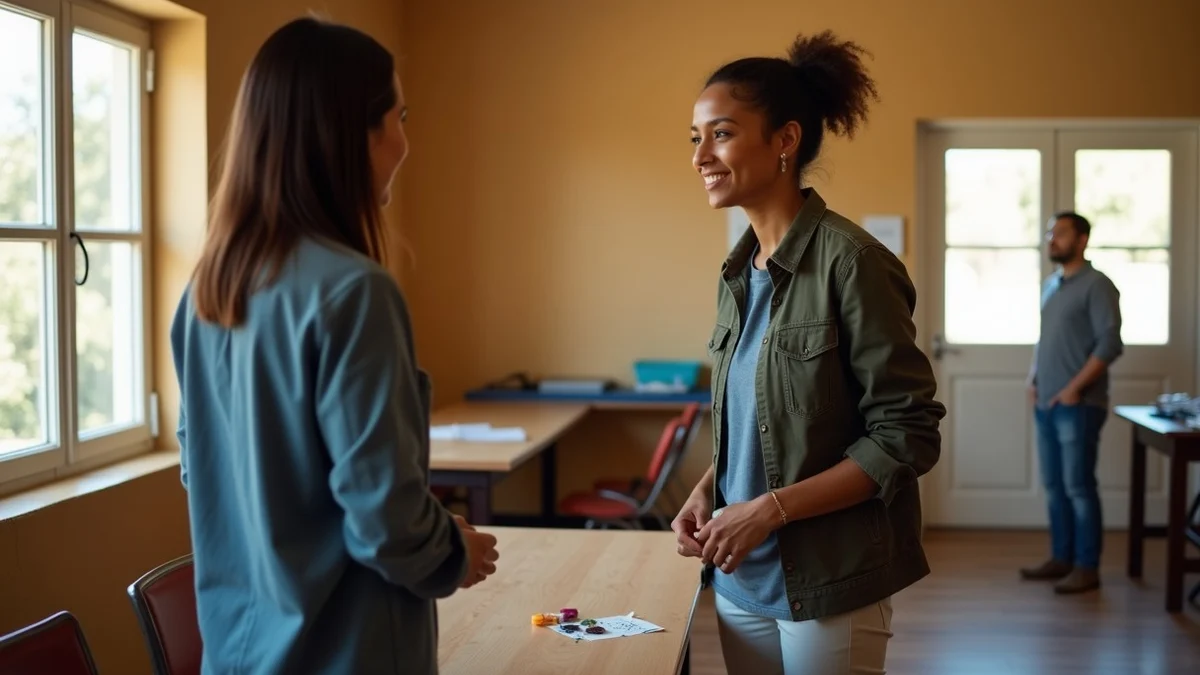
El Paso’s social life can splinter around work hours, long drives, and familiar circles. Young professionals in El Paso meet peers who are open to dating by returning to professional, civic, and interest-based gatherings where conversation continues past one introduction. One-off mixers fade fast. Familiarity matters. Choose commitments you can reach after work often enough to become known, then move a promising conversation beyond the event.
Published by Open Connection
El Paso’s Professional Community Extends Beyond Formal Networking
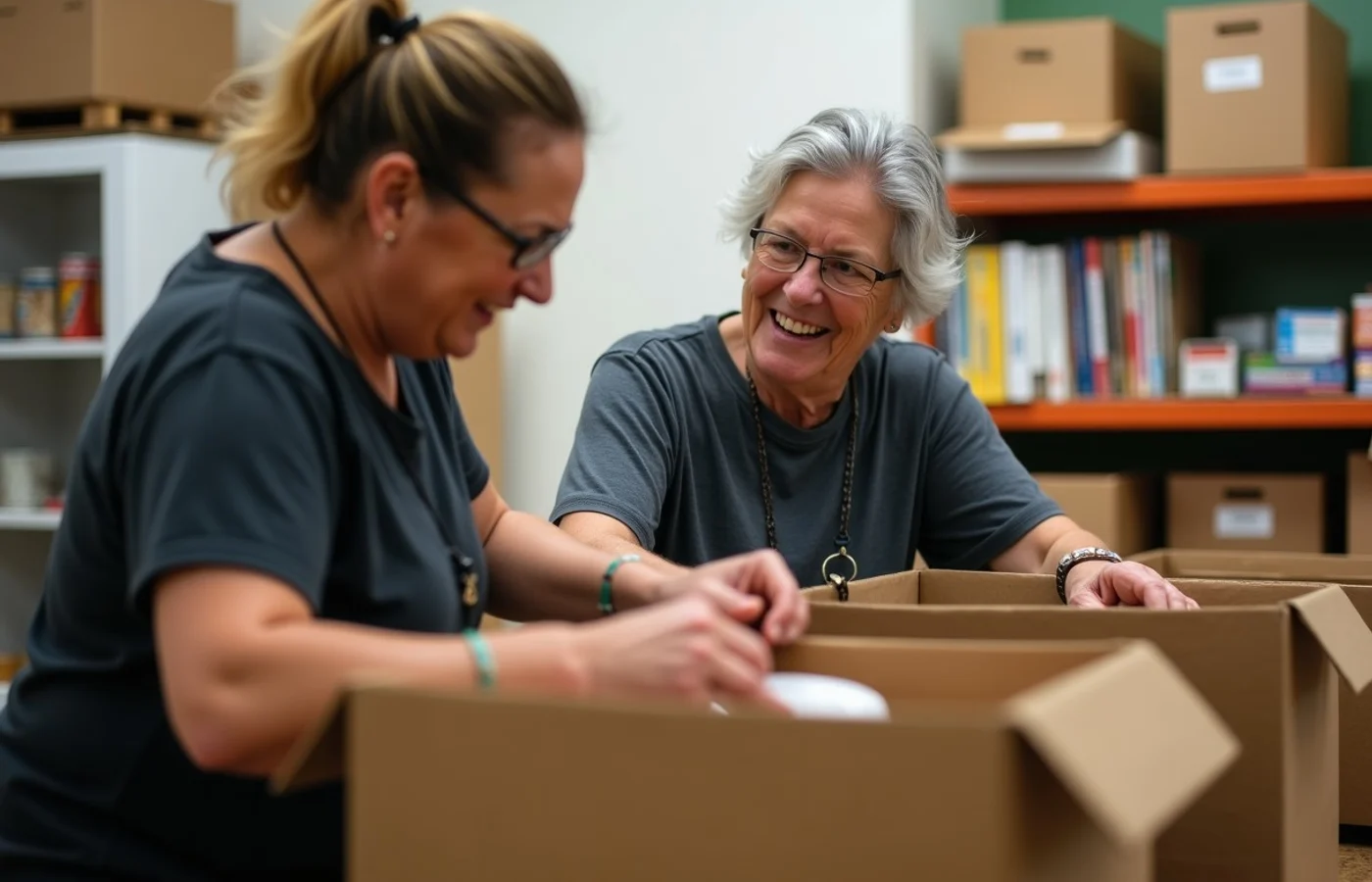
Formal networking is only one entrance into El Paso’s professional social world. Alumni groups connect graduates across different employers; civic organizations need committee members; volunteer projects put people beside one another with a task to finish; industry associations convene people who care about a field. Informal peer communities—coworker-adjacent groups, former classmates, neighborhood project teams—often introduce people who would never appear at a career mixer. Each setting has a social purpose beyond dating, which keeps conversation grounded.
For an after-work calendar in El Paso, favor commitments that recur and sit within a realistic drive from home or office. A quarterly awards dinner may produce contacts, but a monthly committee or volunteer shift creates follow-on conversations and familiar faces. Alternate one profession-linked commitment with one civic or service commitment. The first connects you with peers whose work rhythms resemble yours; the second widens the circle beyond your industry. Ask organizers what participation looks like before joining, then take a role that requires showing up, not merely adding your name to a mailing list.
When Recurring Activities Create Familiarity
Recurring activities change an introduction into recognition. A weekly recreational league, class series, volunteer shift, book discussion, or language exchange supplies a shared reference point: the route that changed, the project that ran late, the speaker everyone debated. In a city where an across-town weekday drive can decide whether someone returns, selecting one activity near a routine route matters more than collecting invitations to distant one-offs.
After two or three meetings, it becomes clear who arrives consistently, follows through with teammates, asks engaged questions, and continues a conversation when the activity ends. That information has more weight than a polished introduction. Interest can emerge in small extensions—walking out together, continuing a discussion, joining a post-activity group—before anyone proposes a date. Once the exchange is clearly two-sided, invite the person to a separate activity. Skip the broad group blast or vague social-media reaction; those moves leave your intent blurry.
Professional Gatherings Across Different Industries

Cross-industry settings earn their place because work titles stop being the whole conversation. Public lectures, arts-organization programs, community initiatives, recreational groups, and young-professional programs give attendees a subject to discuss before personal questions enter. In El Paso, favor gatherings that draw people from several employers and fields. An event filled with coworkers can expand a professional network, but it also narrows the dating pool and may carry workplace complications. Join for the lecture, project, game, or program itself; the broader professional mix is the added opportunity.
Networking Rapport Is Not Automatically Romantic Interest
Professional warmth can reflect courtesy, a desire for a future referral, or real personal curiosity. Reciprocity shows up when someone continues contact outside the event’s business purpose, volunteers personal time, or responds with equal energy. One engaging conversation at a mixer does not settle that question.
Keep work-sensitive situations clean. Do not pursue a direct report, a client relationship, or a person whose professional access depends on you. Outside those lines, make one clear invitation and accept a no, a deflection, or silence without revisiting it at the next professional event. That protects both people’s standing in a small local network.
Follow Up With a Specific, Low-Pressure Invitation
Follow up soon enough that the conversation is recognizable, usually after the event or within the next few days. Mention the topic you discussed, propose one date-friendly activity, and give a narrow time window, such as an evening next week. A concrete invitation answers the scheduling question without turning a connection into a long exchange of hints.
Keep the note brief and end it so a decline can be simple. A reply that sidesteps the plan or does not arrive is the answer; leave it there. When the person accepts, confirm the details and let the next conversation happen in person.
Meeting peers in El Paso works best when your calendar has a purpose beyond dating: a committee to serve, a class to attend, a game to play. The date invitation comes after a real exchange, not after collecting a stack of business cards.