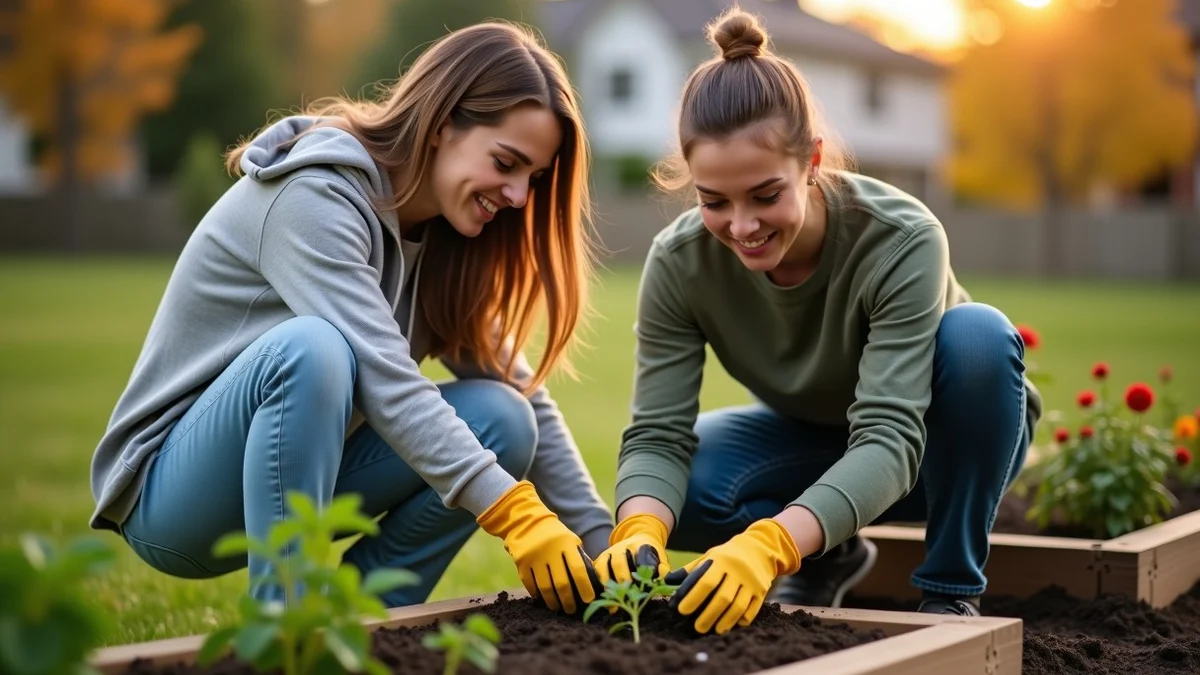
Set aside three parts of your week: one recurring local activity, one flexible dating channel, and occasional plans with people you meet. Young professionals looking to meet people in Wisconsin build dates and friendships this way across Milwaukee, Madison, Green Bay, the Fox Valley, and smaller regional communities. Work introduces colleagues, but it provides a thin foundation for a wider social life.
Published by Open Connection
Which settings attract young professionals beyond work?

Professional associations bring ambitious adults together, though conversation often stays close to industry and projects. Volunteer teams, recreational sports leagues, arts groups, and multi-week classes make personal talk more likely because participants share a task or interest. Alumni communities reconnect people who already have a campus tie. Dating platforms serve a different role: they identify people open to dating before anyone spends several weeks guessing. The strongest local mix usually combines a recurring in-person activity with an online channel, not a calendar filled with one-off mixers.
Reading whether a group supports friendship or dating
A professional breakfast, industry panel, or association committee has a stated purpose. People may become friends there, but treating every conversation as a romantic opening can make the setting awkward fast. Sports leagues, volunteer shifts, book discussions, and classes offer more social space, yet they still begin as group activities. Friendly conversation, shared rides, or joining a post-event meal usually shows interest in connection, not a decision about romance.
A one-to-one invitation, paired with a direct mention of dating interest, separates a date from networking or casual friendship. That directness matters in a recurring activity: the other person can answer without decoding a professional favor, team logistics, or a vague social plan. When interest is not returned, keep attending only if the group itself still matters to you.
Repeated participation builds a social circle more reliably than isolated mixers
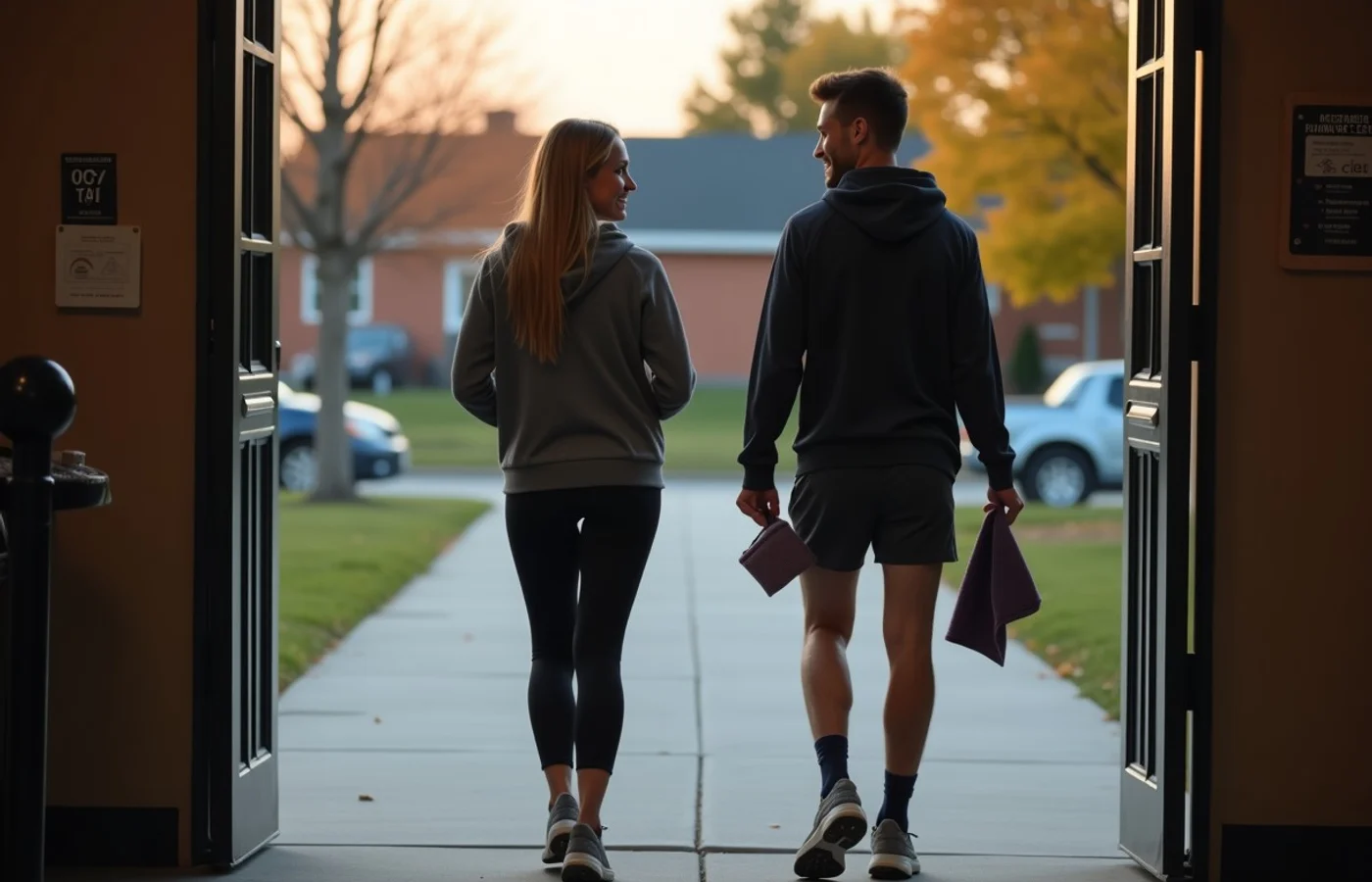
A single mixer asks strangers to create momentum on command. Recurring involvement supplies context: people remember what you discussed, notice when you return, and know which friends share your interests. For a Wisconsin newcomer without old school friends or family nearby, those introductions matter as much as meeting a potential date directly. Familiarity also shows who appears, contributes, and keeps plans.
Consider someone who moves to Madison for a hybrid role and knows only coworkers. A weekly run club or evening class brings together the same faces over several weeks; an app covers nights at home; a new acquaintance may later include them in a birthday dinner or weekend outing. No channel needs to carry the whole burden. The repeat activity builds a local base, while the dating channel makes romantic intent plain.
Commitment is the deciding feature. A league season, volunteer shift, rehearsal group, or course with a fixed meeting time tends to outlast the burst of enthusiasm after a large social event. Pick one you would still attend after a disappointing conversation. That standard keeps dating from taking over the activity.
City hubs, regional travel, and schedule fit
- Wisconsin Situation: Milwaukee or Madison What It Supports: More nearby options can justify a weeknight class, league, volunteer role, or shorter app distance. Schedule Constraint: A crowded calendar still limits follow-through; a group across town can become unrealistic after a long office day.
- Wisconsin Situation: Green Bay, the Fox Valley, or a smaller city What It Supports: A regional approach can connect nearby communities, particularly for weekend events and planned dates. Schedule Constraint: Longer drives turn casual midweek plans into commitments, so app distance and event choices should reflect the travel you will truly make.
- Wisconsin Situation: Shift work, travel-heavy work, or hybrid schedules What It Supports: Weekend groups, rotating volunteer shifts, and app conversations during open hours keep social contact possible. Schedule Constraint: A fixed Tuesday evening commitment may fail quickly when work regularly runs late or changes week to week.
When work hours or relocation shrink your network
A manageable Wisconsin plan has three parts: one scheduled group worth leaving home for, one dating app or online dating channel checked during available hours, and invitations accepted through new acquaintances. The scheduled group might meet on a dependable Saturday morning or one weeknight. The digital channel handles the weeks when travel, deadlines, or a winter evening narrow the options.
Keep colleagues out of the center of this plan. Coworker friendships can lead to broader social invitations, but workplace attention can complicate the job that pays your bills. A person relocating for work gets better results from building a life beyond the office: attend the recurring activity, remain active online within a realistic travel range, and say yes when a new friend includes you in a small gathering.
Wisconsin’s spread-out cities reward a calendar built for repeat contact and realistic travel. One activity with familiar faces, one direct dating channel, and a few new social invitations create far more opportunity than waiting for work to supply a community.