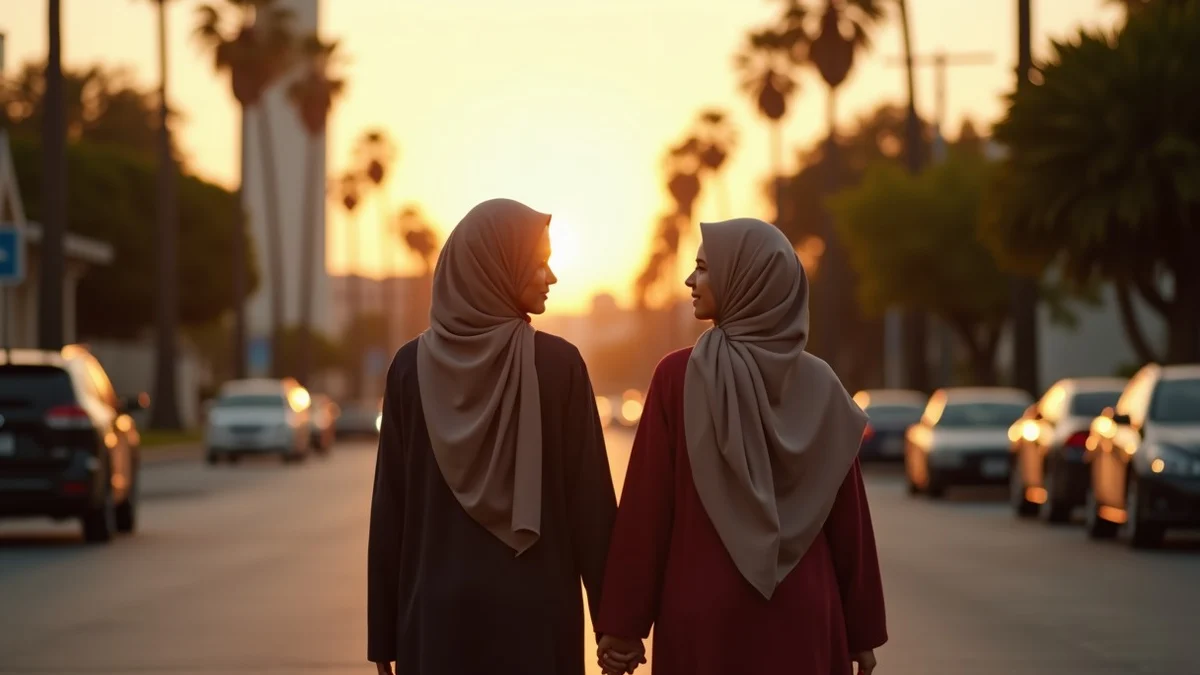
Imagine leaving a mosque lecture after work and wondering whether a promising introduction is headed toward marriage or merely another vague conversation. Muslim singles in Los Angeles can meet compatible people through community introductions and marriage-minded apps, then discuss faith, family involvement, and courtship boundaries early enough to avoid a poor fit.
Published by Open Connection
When marriage is the stated goal from the beginning
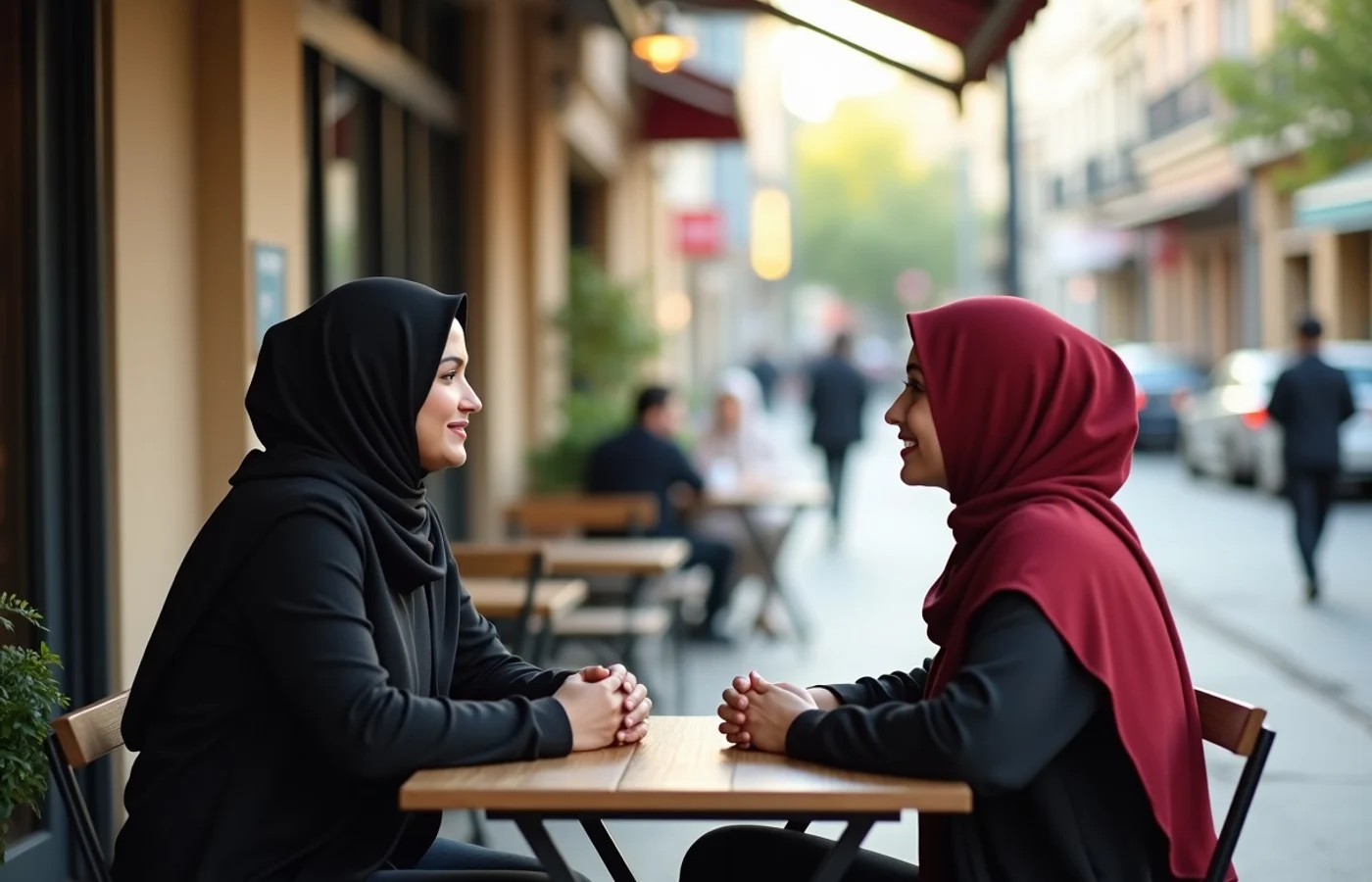
Naming marriage as the purpose of courtship is not a proposal. It is a filter. Early conversations can establish a hoped-for timeline, whether Los Angeles is a long-term home, openness to moving, thoughts about children, work demands, and the place religious life will hold in a future household. These are life-shaping facts, not minor profile preferences.
Clarity has to run both ways. Someone may be serious about marriage while still needing time to get acquainted, and a prospective spouse deserves to know that distinction. Keep the first stage focused on intention and major life direction; promises of commitment belong later, when both people have enough information to give them weight.
Los Angeles offers community and digital routes to introductions
Mosque-affiliated classes, volunteer efforts, cultural gatherings, and community organizations can put people in the same room with a shared social setting. Professional and cultural groups also suit adults whose work schedules leave little room for random socializing. A trusted introduction can add context about marriage intentions before either person invests much time.
Matrimonial services and Muslim dating apps extend the search beyond one congregation or friend group. Across Los Angeles, a match in the Valley, the Westside, or the South Bay can involve a serious commute, so location belongs in an early conversation. Check current local programs and participation details before planning around an event or service.
Reading differences in practice beyond a shared label
A shared Muslim identity says little by itself about daily household life. Prayer routines, halal food, alcohol, dress, mosque participation, charitable commitments, sect or tradition, and Ramadan schedules can all shape a relationship long after the first introduction.
Practice differs considerably, so broad labels leave too much unsaid. The more consequential question is how each person imagines a home: religious education for children, hospitality, holidays, financial priorities, community participation, and the expectations placed on a spouse.
How early should family involvement enter the conversation?
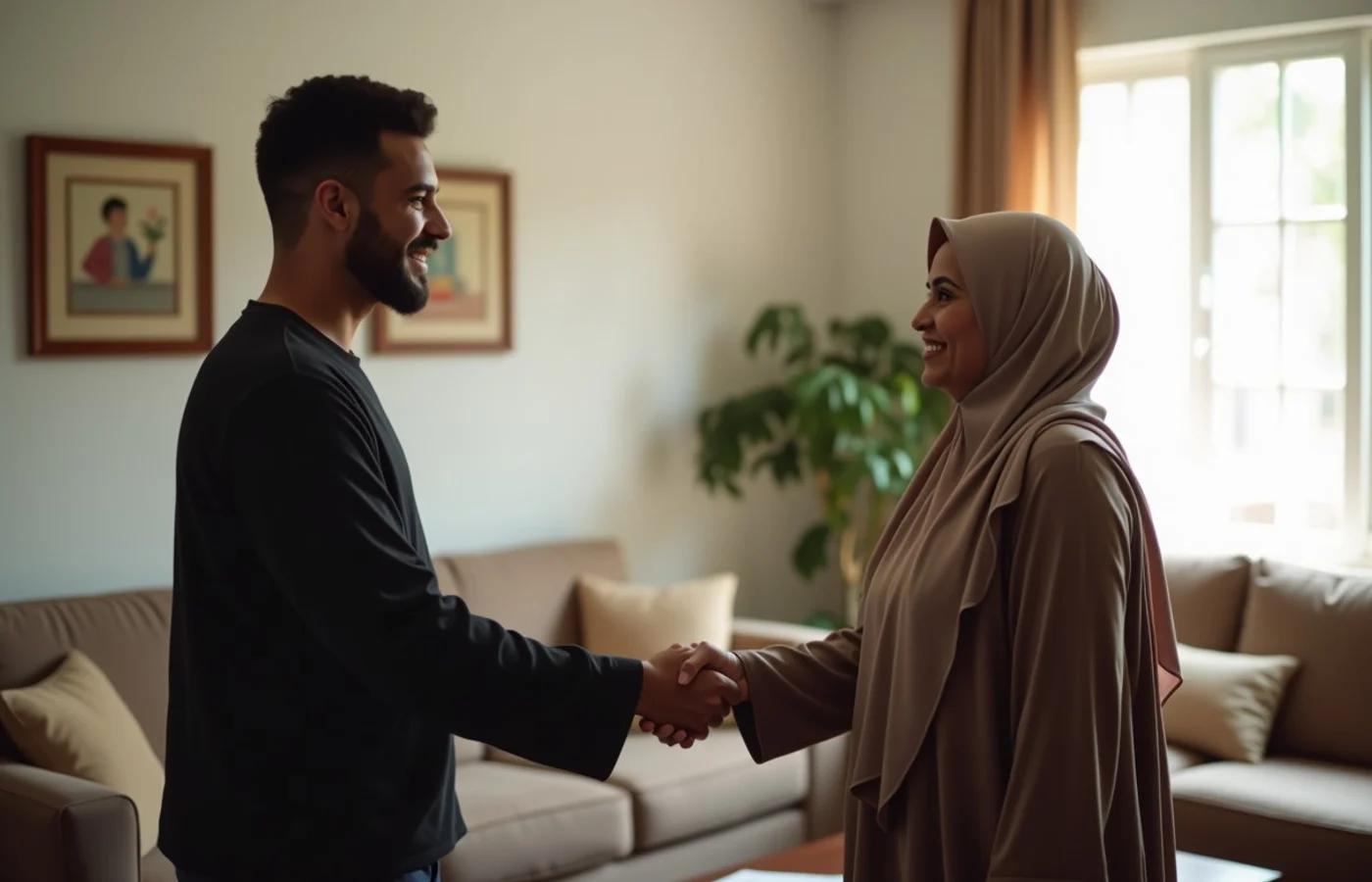
One courtship route begins with a parent, sibling, trusted elder, or mutual friend making the introduction and staying informed from the outset. Another starts with public conversations between the two people, followed by family introductions once mutual interest is clear. A third uses a chaperoned meeting early on, then allows direct conversations within agreed boundaries. Each route says something about the role family will play, so it deserves a plain discussion before attachment deepens.
Set the terms in concrete language: who should know about the introduction, whether a chaperone is expected, when relatives will meet the other person, and whether family members advise, approve, or take part in the final choice. Keeping an introduction quiet at first can be respectful; involving family from day one can be equally respectful. What matters is that neither person discovers the arrangement after the fact.
State your boundaries around faith and courtship clearly
Boundaries need nouns and times, not hints. Physical limits can cover handholding, kissing, private homes, overnight travel, and alcohol-centered venues. Emotional limits can cover late-night calls, daily messaging, and how quickly intimate subjects are shared. Scheduling boundaries can name prayer times, work demands, and the part of Los Angeles one is willing to cross for a meeting.
Put the relevant terms in a profile and early exchange: marriage-focused, public daytime meetings, chaperoned meetings, no physical intimacy, or family introductions after mutual interest. Then ask the other person to name their own expectations around contact, meeting settings, faith practice, and pace. A mismatch on these points is not a small inconvenience to smooth over; it can determine whether courtship feels respectful to both people.
Community events, introductions, and Muslim dating apps
Community events offer shared context but a narrower pool and little profile detail. A trusted introduction brings more background and often greater family awareness, though it can feel socially exposed if the connection does not continue. Muslim dating apps reach across Los Angeles and allow marriage intentions, education, location, and faith preferences to appear early, but each person must still verify whether those details hold up in conversation.
Matrimonial services can sit between those routes by organizing introductions around stated criteria. Before traveling for an event or engaging a service, confirm that it is currently operating, who can participate, and what information may be shared with relatives.
Private compatibility talks alongside family-guided courtship
Private conversations reveal how two people handle disagreement, work pressures, money, children, worship, and daily affection when no relative is speaking for them. Family-guided courtship can illuminate household expectations, intergenerational ties, and the support surrounding a future marriage. Both forms of conversation have a place when they are chosen openly. Family members may offer perspective and ask serious questions, but they cannot supply consent or personal agency for either prospective spouse. The two people considering marriage still need direct answers to the questions that will shape their own home.
A marriage-minded introduction deserves more than a shared label and a promising photo. In a city as wide as Los Angeles, clear expectations about worship, family, timing, and boundaries keep the search grounded—and leave both people able to make an informed choice.