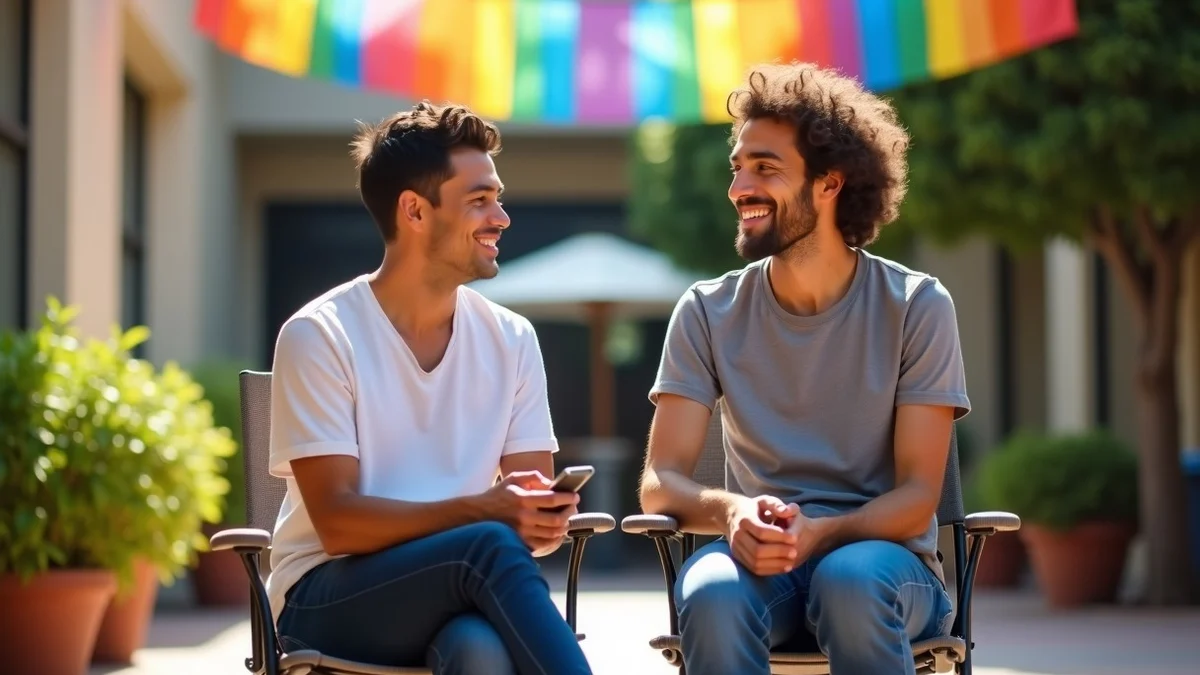
For LGBTQ adults in Los Angeles, good ways to meet people include LGBTQ-focused community events, regular interest groups, and dating apps with clear identity and relationship preferences. Seek out spaces that say who is welcome, activities you would want to attend again, and matches who can realistically meet in a spread-out metro area.
Published by Open Connection
Los Angeles supports many kinds of LGBTQ connection
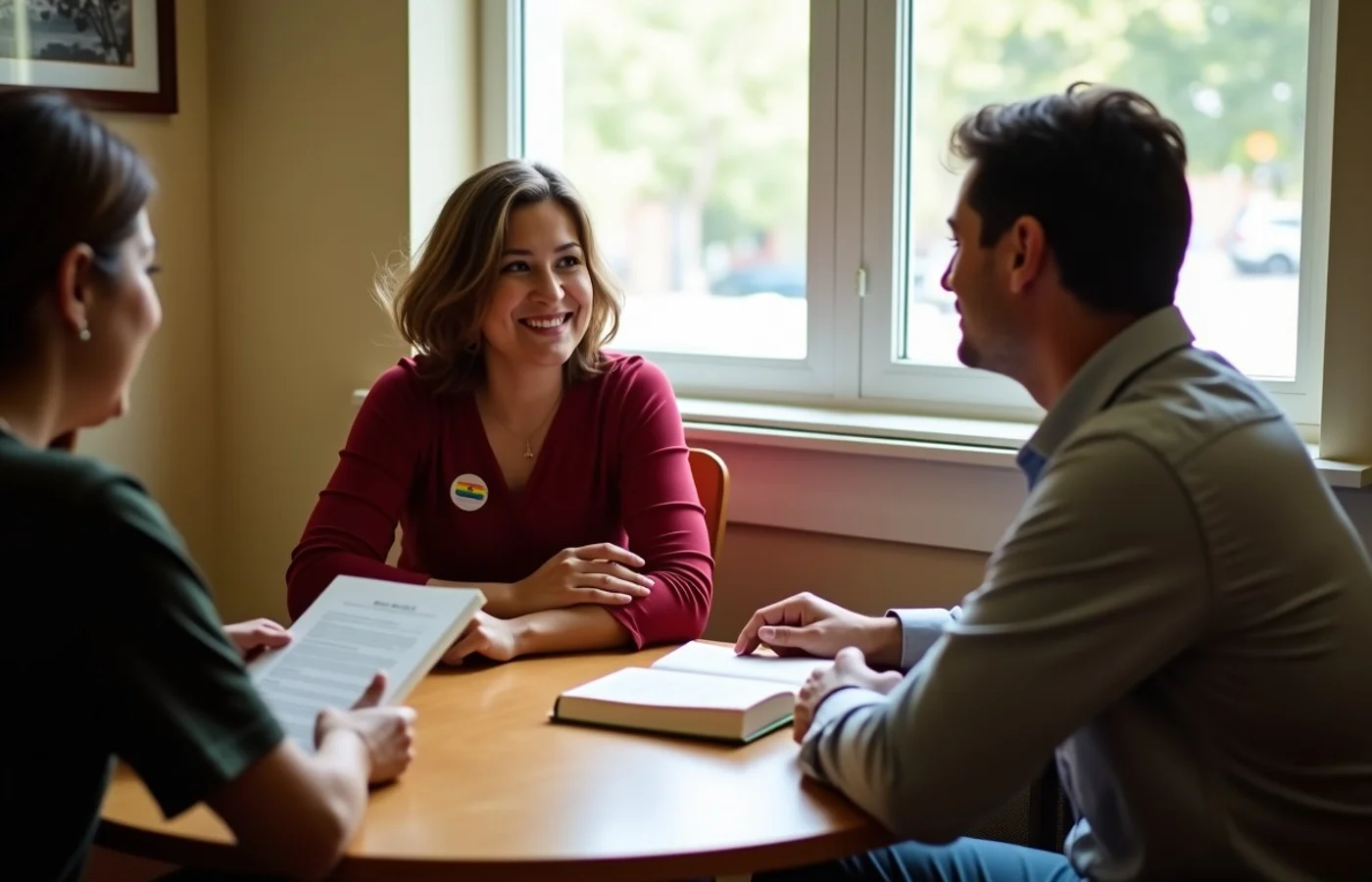
Los Angeles has many dating scenes, shaped by neighborhoods and nearby cities with different routines and travel demands. This guide covers Los Angeles and the surrounding metro area. LGBTQ adults meet at gatherings for queer women, gay men, trans and nonbinary people, bisexual people, and other communities; mixed LGBTQ social groups; recreational activities; cultural programs; and online spaces. Each option starts conversations differently. At an LGBTQ-focused event, people share lived context from the start. A mixed queer book club or social gathering can lead to friendships, introductions, and dates.
Where you live changes how useful each option is. An event that seems promising on a map may be difficult to attend again if it means crossing the city after work. A regular group near Koreatown, the Westside, the Valley, or another place already in your weekly routine gives conversations room to continue. Larger events may attract people from Long Beach, Pasadena, and beyond; that broader pool works for people open to dating across the region, while a neighborhood group requires less travel.
Signals that a space is genuinely identity-affirming
A rainbow logo is not enough. An affirming space says who it welcomes in its event description and avoids treating LGBTQ people as a single, interchangeable audience. Strong organizer language identifies the community or communities at the center of an event, explains participation expectations, and does not leave trans, nonbinary, bisexual, queer, or questioning attendees to guess whether they belong.
Registration also tells you a lot. Name and pronoun options, wording that does not assume gendered pairings, and a clear conduct policy show that an organizer has considered attendees before the event begins. Moderation matters when harassment or exclusion occurs: organizers should know how to address it instead of leaving participants to handle it alone. Community reputation matters too. See how repeat attendees describe the atmosphere and whether organizers clearly answer questions about conduct and participation.
When nightlife is not your preferred way to meet

Nightlife is one way to socialize, not the only one. Daytime volunteer projects, LGBTQ recreational leagues, arts groups, professional affinity communities, classes, and regular hobby gatherings give people something to talk about beyond loud music or instant chemistry. In Los Angeles, a weekday volunteer shift, weekend hike, or ongoing arts workshop may fit daily life better than a late-night plan. Going regularly also lets people get familiar without treating every conversation as an immediate date possibility.
App controls, intentions, and travel radius
- Setting: Identity and orientation fields What It Changes: These fields help define how your profile is presented and who appears in your matches. Constraint: Review the available options before investing time in an app; limited categories can produce poor-fit matches.
- Setting: Visibility controls What It Changes: They determine who can encounter your profile and can help you set a level of exposure that fits your circumstances. Constraint: A narrow audience may reduce the number of local matches.
- Setting: Relationship-intention labels What It Changes: Labels such as friendship, casual dating, or a committed relationship can reduce an obvious mismatch early. Constraint: A label is only a starting point; profile text and later plans should point in the same direction.
- Setting: Travel radius What It Changes: It determines whether your pool stays neighborhood-based or reaches across Los Angeles County and nearby cities. Constraint: Two areas that seem close on a map can involve a long drive or several transit connections.
What does consistent interest look like across Los Angeles?
Across Los Angeles, consistent interest has a logistical shape. Both people offer date ideas, take turns traveling, and make plans that account for where the other person actually lives. A single scheduling conflict says little; a connection becomes lopsided when only one person repeatedly proposes plans, crosses town, or rearranges their schedule. The city’s distances give this question a literal test. Someone based in Pasadena who wants to see a person in Venice will sometimes make that trip, suggest a midpoint, or plan something near the other person’s neighborhood. Equal mileage on every date is beside the point. Shared responsibility is what keeps geography from becoming an excuse for one-sided effort. Relationship intentions belong in the same category. Someone seeking a committed relationship does not need a fixed timeline, but they should be able to state that direction plainly and make plans that match it. Reliable follow-through means confirming plans, showing up when agreed, and offering a new time when life interferes. A busy calendar is normal in Los Angeles; repeated vagueness is still vagueness. Interest becomes credible when words, travel, planning, and follow-through all move in the same direction.
Los Angeles offers enough LGBTQ spaces to let social life and dating life overlap without turning either into a full-time search. Put attention toward groups and profiles that clearly state who they welcome and what they are for. The deciding condition is mutual willingness to make time across the city, because distance quickly exposes whether a connection has a place in two lives.