Creative work can attract plenty of fascination and still leave you dating people who do not honor the time, uncertainty, and public commitments behind it. Artists seeking a committed relationship should use channels that reveal both shared interests and relationship intent, then present their working life plainly from the start. The right match need not make art a hobby or profession; they need to see it as real work within a partnership.
Published by Open Connection
Interest in art does not always mean respect for an artist’s life
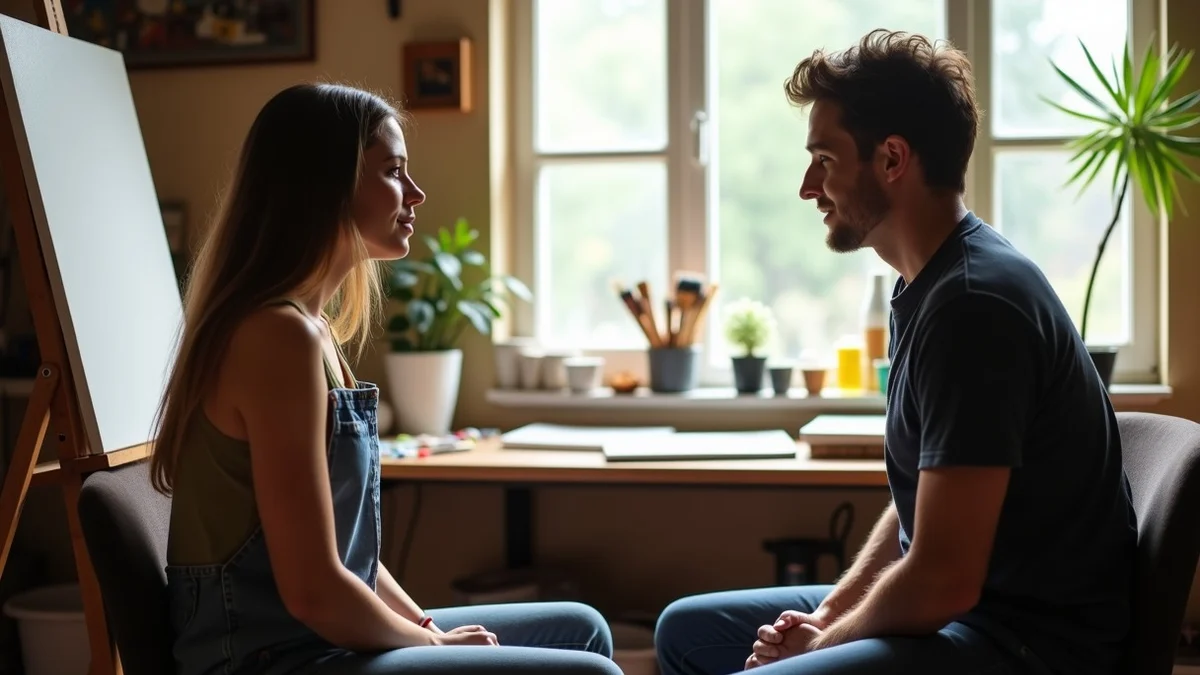
Someone can love concerts, films, galleries, or books and still be a poor partner for an artist. Appreciation means taking the work seriously, including studio hours that cannot always be moved, rehearsal periods, public events, criticism, creative dry spells, and work that may not follow a conventional promotion ladder. Curiosity is welcome. Treating your work as a charming mystery, a source of social access, or a phase to outgrow is not.
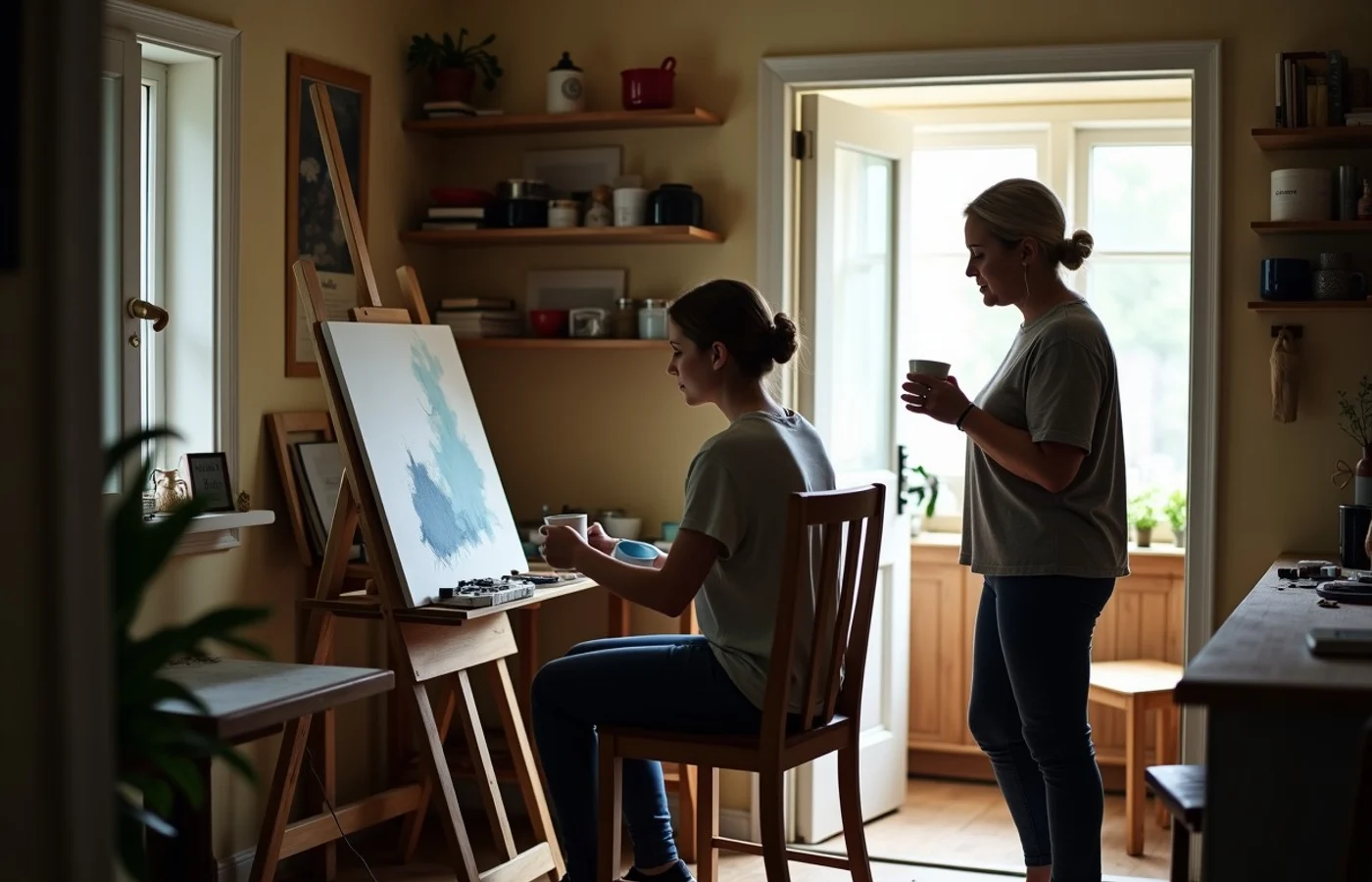
Better signs show up in what happens around the work. A promising match asks about it without demanding a performance, understands that an opening or show may require your attention, and does not make attendance at every public event a test of devotion. They discuss uneven income or changing projects without sneering or rushing to manage them. Both people in a committed relationship need time for work, rest, friendships, and ambitions.
The strongest meeting channels combine shared interests with clear intentions
Arts organizations, classes, workshops, volunteer crews, and professional creative communities bring repeated contact around more than a profile photo. A museum fundraiser, community theater build, literary festival volunteer shift, or printmaking class shows how someone collaborates, follows through, and handles other people’s time. These settings are good places to meet people, but they do not automatically establish romantic intent. Let rapport develop without turning every creative gathering into a prospecting exercise.
Introductions from friends are especially valuable when the friend understands both your relationship hopes and the shape of your working life. Dating apps offer a more direct route because relationship-intention fields and profile text put commitment on the table early. Use both routes when possible: community spaces provide context, while an app narrows the field toward adults also looking to build a relationship. Shared artistic taste is a welcome starting point; compatible expectations about partnership matter more.
When deadlines, performances, or residencies disrupt routine
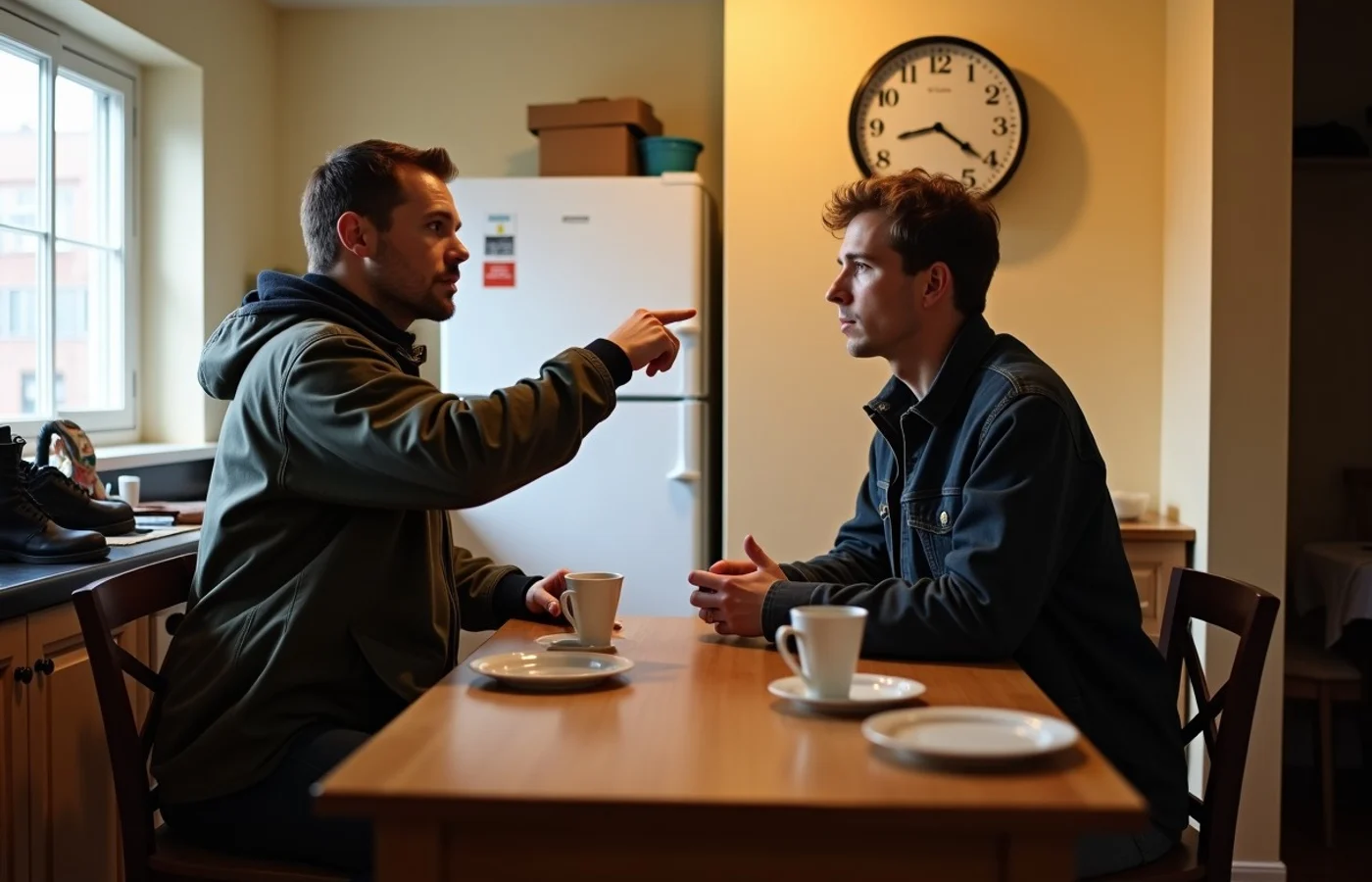
An exhibition deadline, production week, touring run, commission, or residency can turn a month with free time into a few scattered evenings. That affects date planning quickly. Choose plans with a clear start and end during crowded periods, say when you will be unavailable, and name another time when you need to reschedule. Vanishing until the project ends creates the same uncertainty as any other unexplained disappearance, even when the work itself is legitimate.
Career and income variability deserve a direct, adult conversation once a connection is becoming serious. Fluctuating work differs from chronic vagueness about obligations, travel, or basic reliability. Describe the facts that affect a future partner: busy seasons, periods away, how far ahead your calendar is known, and what kind of home life you want between projects. Someone needing a rigid weekly routine may not be a fit; that is a compatibility issue, not a verdict on either life.
A vague creative persona can hide the goal of commitment
A profile built entirely around being spontaneous, unconventional, or consumed by inspiration may draw attention, but it says little about whether you can share a life. Put the art beside the rest of the picture: the medium or field you work in, the rhythms of a typical week, a few non-work pleasures, and the kind of relationship you are pursuing. Mentioning that you value a steady partnership, shared meals, weekend plans, or building a home life gives readers far more than a dramatic artist persona.
Keep the tone grounded. Romanticizing instability can attract people who want intensity without responsibility, while presenting a partner as an audience invites an uneven dynamic. Your profile should show that creative work matters and that you also give back in a relationship. Photos and prompts can reflect the life you actually live: work in progress, an event you enjoy, a quiet routine, and interests that do not require someone else to admire you. Commitment becomes believable when the profile contains an everyday life another person could join.
Dating as an artist becomes more productive when you stop screening for admiration and start looking at how someone treats your work in real life. Seek people who enjoy your work without claiming it, handle its real demands without resentment, and name their own hopes for a relationship with equal honesty. That is sturdier ground than chemistry built around a creative image.