
Choose between a gaming-first service and a broad local dating app before spending time on another generic profile. GamerDating is the niche option to test, while Hinge is the mainstream alternative; keep the one whose current profiles and controls reveal compatible games, usable hours, local distance, and the same relationship direction. Shared fandom starts the conversation, but it cannot carry the entire match.
Published by Open Connection
Gaming compatibility involves more than sharing a favorite title

Gaming compatibility depends on how the hobby fits into a week, not on sharing a favorite title. Someone who relaxes with a single-player story after dinner may fit poorly with someone whose evenings center on ranked matches, long raids, or a standing squad. Genre can hint at temperament: cooperative games often encourage conversation and shared projects, while competitive play can involve firmer time blocks and greater intensity. Neither style is better for dating. A game makes an easy first topic, but says little about when someone is free.
Platform matters when cross-play is unavailable or when one person prefers a console couch session and the other spends every free hour at a PC. Communication matters too: some players reserve voice chat for close friends, while others use it as a social space. Match the day-to-day details—casual or competitive pace, platform, voice-chat comfort, and how often gaming replaces other plans—rather than demanding identical libraries. Two compatible people can play different games and still save the same kind of evening.
Signals that a platform has a real gamer community
An active gamer community appears in details people volunteer: a current game, platform, play frequency, or a clear note about a co-op night. Empty bios and stale profiles do not show a strong niche community; they show a themed sign-up page. Recent-activity labels, where shown, carry more weight than old photographs, and a distance setting matters only when it returns enough local people to date.
Check GamerDating at a nearby distance to see whether local profiles include gaming details instead of a generic gamer label. Apply the same local test to Hinge, looking for prompts with substance and enough profiles to identify gaming interests alongside relationship direction. Hinge is the mainstream comparison; GamerDating puts gaming first.
Before subscribing, review each service's current sign-up and billing screens for filters, profile fields, messaging rules, activity indicators, and paid options. Those screens answer day-to-day questions that marketing copy often blurs.
On mismatched schedules, shared games may not be enough
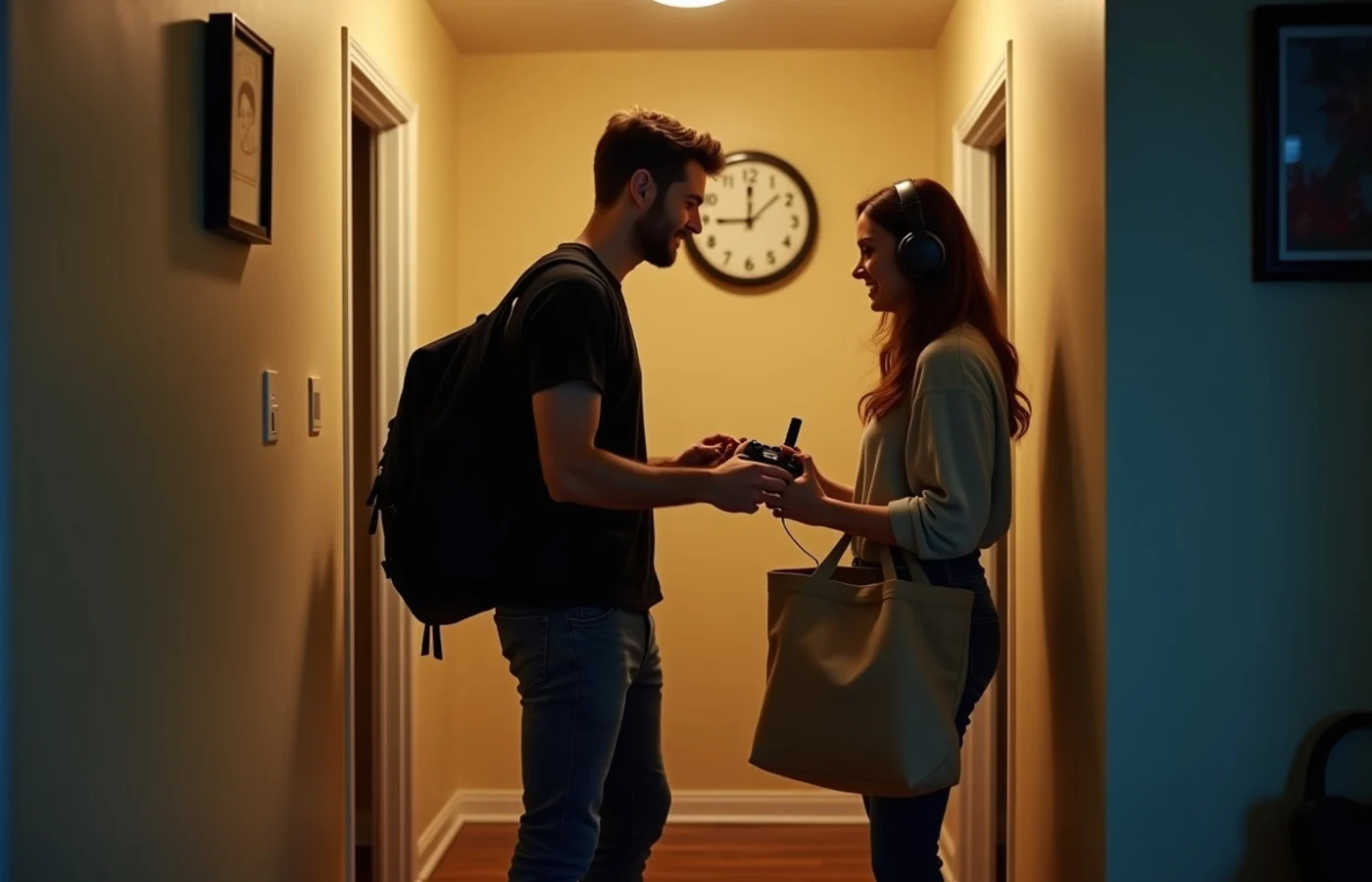
Consider a hypothetical pair who both enjoy the same online RPG. One joins an 8 p.m. raid after an early shift; the other clocks in late, then plays competitive matches with friends in a different time zone. They may share half an hour of voice chat, while weekend hours go to tournament sessions, recovery, or other commitments. The shared game is real common ground, but it does not guarantee time for a first date or an unhurried conversation. Free hours and a willingness to set aside offline time matter more here than a matching game tag.
Profile prompts for gaming interests and relationship goals
Relationship-intent fields matter more than a list of favorite games. Someone seeking a committed relationship should be able to say so plainly, while someone exploring casual dating or friendship needs an equally clear lane. Gaming details add context: primary platform, two genres, typical play window, solo versus social play, and comfort with voice chat. Those details turn an interest label into information for a potential match.
Profile mechanics determine how much of that context people see. Prompts can show whether gaming is a central weekly activity or one hobby among several. A reciprocal-interest system limits the opening exchange to people who have both shown interest, while a service that permits broader outreach changes who can begin it. Review those controls on GamerDating and Hinge before spending effort on a profile, because they shape who sees both the relationship intention and the gaming details.
Keep the description concrete. Stating that gaming usually happens on weeknights after work says more than simply calling yourself a gamer, and naming a platform prevents a promising conversation from collapsing over incompatible hardware.
GamerDating merits a focused niche trial, and Hinge deserves the same local test. Keep the service where profiles include real gaming context, compatible weeknight or weekend schedules, and a stated relationship direction. A shared title can begin a conversation; compatible routines keep it from becoming only a queue invite.