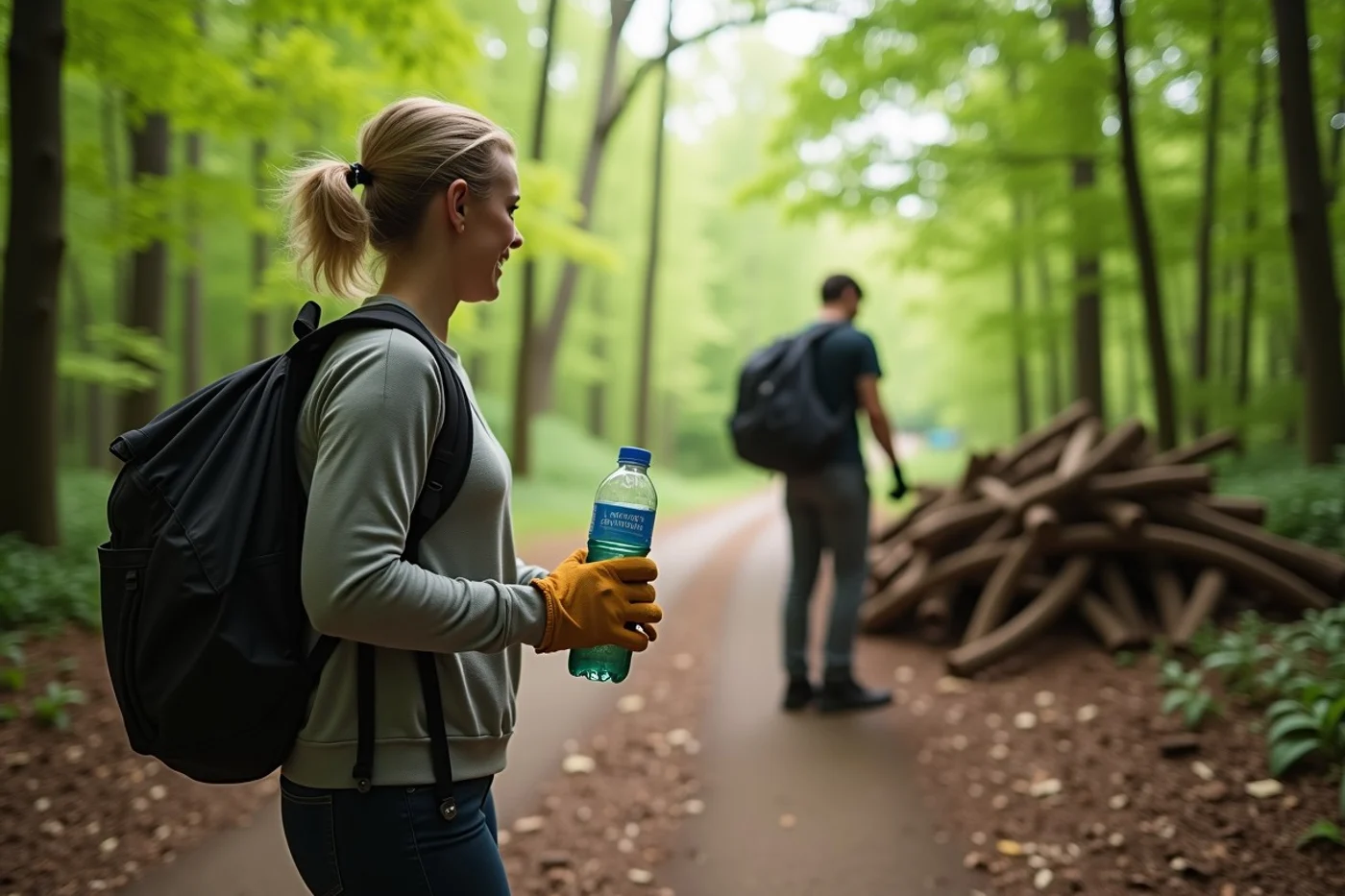
Picture arriving at a Saturday trail cleanup with a water bottle and no expectation that anyone there came to date. To meet outdoor lovers open to dating, choose two public, recurring channels—one group activity and one dating app—then use a shared, ability-appropriate outing as the bridge to a simple invitation. Start locally. Show up again.
Published by Open Connection
When a shared activity makes conversation easier
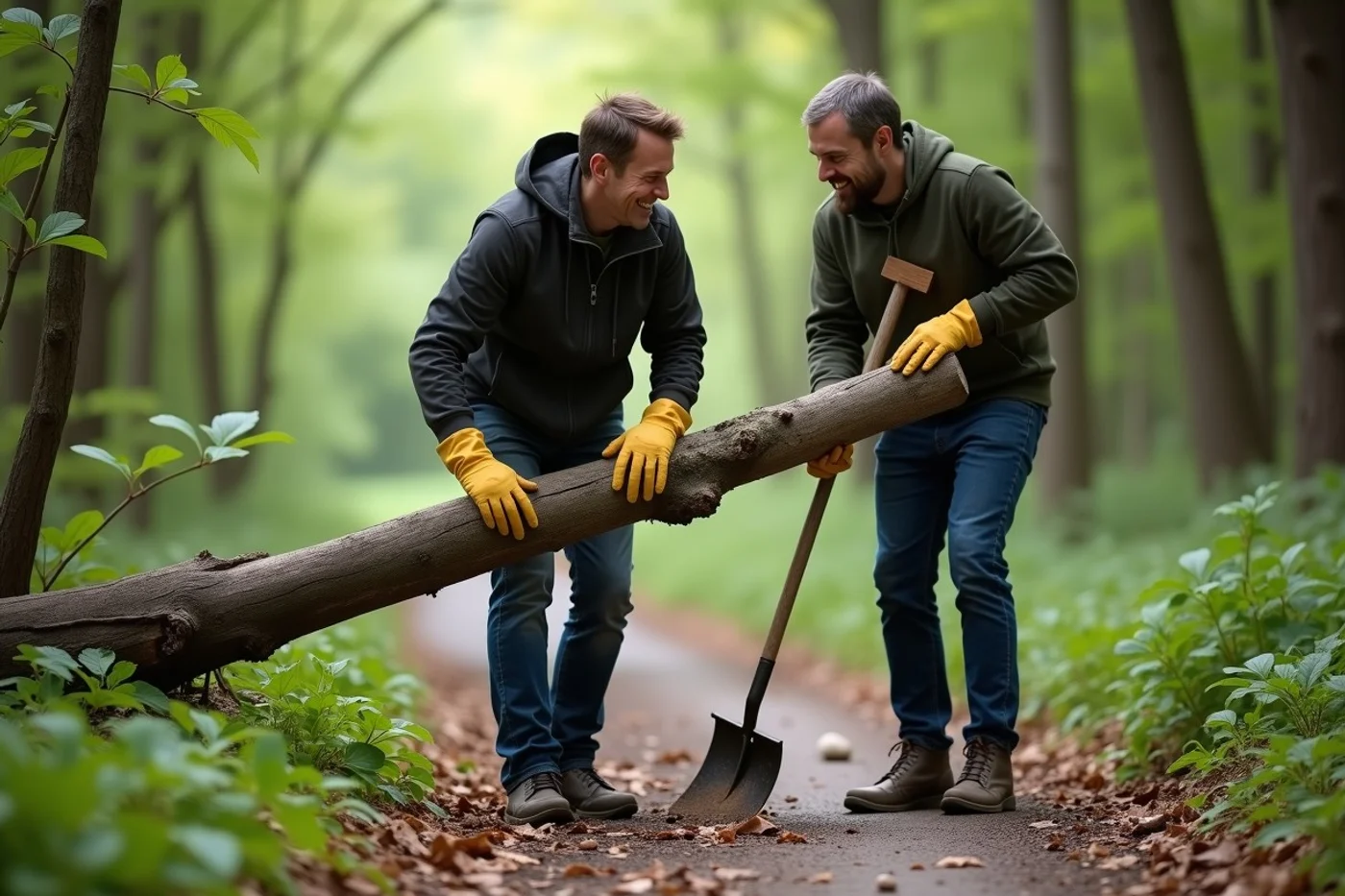
Recurring outdoor work gives people something real to discuss: trail conditions, a missed turn, an upcoming volunteer date, or the easiest section of a route. Shared tasks also show small habits—whether someone listens, helps, and is decent to slower members—without the intensity of a formal date.
That social ease has limits. A hiking club, cleanup, paddle group, or class is first an activity space, and participants may be partnered, unavailable, or simply there for the activity. Let conversation grow from the event, keep the group focused on its purpose, and let interest become apparent on its own.
Outdoor clubs, volunteer groups, events, and classes
Outdoor clubs and volunteer groups are strong choices for recurring contact. A trail-maintenance crew, bird walk, community garden project, or walking group gives people a shared task and a reason to return. Conversation often happens before the start, during pauses, and while packing up. Skill expectations can range from beginner-friendly to demanding, so read the activity description before committing.
Activity-based events and classes have a different social structure. A climbing technique session, nature walk, navigation class, or group ride brings people together for a defined lesson or route. Newcomers have an easy way to ask questions, though the session itself may leave little time for extended conversation. Join one recurring club or volunteer group that suits your current ability. Then attend a class or public event where beginners are expected; one route brings familiar faces, and the other brings new introductions.
Dating profiles can signal outdoor interests with useful specificity
Outdoor enthusiasm is too broad to guide a match. Name the activity you actually do, how often you do it, the setting you enjoy, and the pace you prefer. A profile that mentions weekend nature walks, easy day hikes, neighborhood cycling, or monthly volunteer trail work gives another person a usable reason to start a conversation.
Specificity also prevents a false impression of constant high-intensity adventure. Mention whether you favor sunrise walks, long forest trails, casual park loops, or learning a new activity with someone patient. Openness to teaching or being a beginner can attract people who want to share an interest without turning every outing into a fitness test.
Does your preferred pace match their ability and intensity?

Outdoor compatibility has a physical side that profile photos rarely explain. Two people can both say they hike while imagining completely different days: a short paved loop with coffee afterward, a steep route with sustained climbing, or a fast, competitive trek with few pauses. Distance, elevation gain, surface, speed, technical demands, and access to restrooms or staffed facilities all shape the experience.
When conversation moves toward an outing, compare the details directly. State the approximate distance and duration, whether the route has hills or uneven ground, and whether the group moves continuously or stops for photos and water. Competitiveness matters too. Someone using a ride for training may not enjoy a social ride, while someone who likes frequent breaks can feel rushed on a route built around speed. Similar fitness is unnecessary; agreeing on pace and breaks makes for a pleasant date.
A public group outing offers connection without the pressure of an isolated adventure
A first outdoor meeting works best in a public setting with a clear structure: a scheduled group walk, a volunteer shift, a beginner class, or a well-used park event. Before registering, read the event listing closely and, when the outing uses a managed park, reserve, or facility, compare it with the location’s visitor information. Confirm the meeting point, stated route or activity area, distance, duration, difficulty, and any check-in procedure.
Recent organizer activity matters. Look for a current schedule, clear contact details, and event descriptions that explain who leads the outing and what participants are expected to do. On the day, arrive independently, stay where other participants or staff are nearby, and know your own way home. An exit plan can be as simple as charging your phone, arranging transportation, and leaving when the activity no longer feels right.
These checks reduce uncertainty; they cannot remove all risk. Skip events with vague locations, unexplained route demands, requests to meet somewhere private first, or organizers who cannot explain basic logistics.
Awkward invitations often reveal unclear timing rather than lack of interest
An invitation lands better after a real conversation about the activity, not during a group task or while an organizer is giving instructions. Refer to the shared interest and propose one public, beginner-friendly plan with a clear time and place, such as a community walk, a short park loop, or an introductory class. Make the invitation an option, with no demand for an explanation if the answer is no. A delayed or vague response calls for a friendly return to normal group interaction; the club or volunteer project should stay comfortable for everyone.
Outdoor interests create a credible way to meet people because they put conversation beside a real activity. Choose spaces you would still enjoy without a date in sight, be honest about your pace, and reserve the first one-on-one plan for a public outing with clear details. That approach is more respectful of the group and far more likely to produce a date worth taking.