
A worthwhile Cleveland speed-dating event has a dated registration page, a confirmed venue, clear participant criteria, and written terms for cancellations or low turnout. Expect a series of brief introductions, then a private matching process; the real test comes after the event, when two people choose to continue the conversation.
Published by Open Connection
What Happens at a Cleveland Speed-Dating Event?

Most events begin with check-in, a name badge or assigned seat, and a brief explanation of the rotation. Attendees then have a short timed conversation with each person before one side moves to the next table or seat. Rounds are usually only a few minutes long, so nobody reaches a full life story. The format is built for an initial read: conversation flow, shared interests, dating intentions, and whether you would welcome another conversation. At the end, each attendee marks the people they would like to hear from. Organizers may collect paper cards, use an online form, or ask participants to submit choices through an event platform. Contact details are typically shared only where both people selected each other. Cleveland events can vary in round length, group size, seating layout, and whether there is informal mingling before or after the rotations. Those details should appear before registration. An event that will not say how matching works leaves too much to the imagination.
Cleveland Events Should Publish Verifiable Details
Start with a dated event page that names the organizer, the full venue address, the start and end time, an admission process, and a working contact route. A listing that says only Cleveland is incomplete: downtown, Ohio City, and a suburb outside city limits create very different travel plans for people coming from across the metro area. Confirm that the venue knows about the gathering through its own event information or a direct call before paying for a long cross-town trip.
Look for an organizer history that connects to recent, date-stamped events and attendee material tied to an actual gathering. A public business or organizer profile, clear cancellation terms, and a reachable email address are basic signs of a real operation. Social posts full of vague promises, no venue confirmation, and no way to contact the host merit a pass.
When an Event Uses Age or Identity Criteria
Age brackets are meant to keep the room within a broadly compatible life stage, not to serve as a loose suggestion. Read the stated range closely. A Cleveland listing for ages 35 to 49 may have a separate group for ages 45 to 59, creating an overlap for someone in their late forties. The registration page should say which session applies, whether attendees choose a bracket, and whether the organizer will move people between groups. It should also state whether the range is firm and what happens when registrations do not produce a workable group.
Identity and orientation criteria need the same clarity. An event organized around women seeking men and men seeking women should explain how its matching categories work. An LGBTQ+ event should state who is welcome and how participants identify their interest categories without forcing them into a label that does not fit. Some gatherings also filter for relationship intentions, such as friendship, dating, or a committed relationship. Before buying admission, confirm the exact group served, the matching setup, any eligibility checks, and whether the host will notify registrants when one category is underrepresented. Vague inclusion language without a clear event format can leave attendees paying to discover that the room was never designed for them.
Signs That Turnout May Not Match the Listing
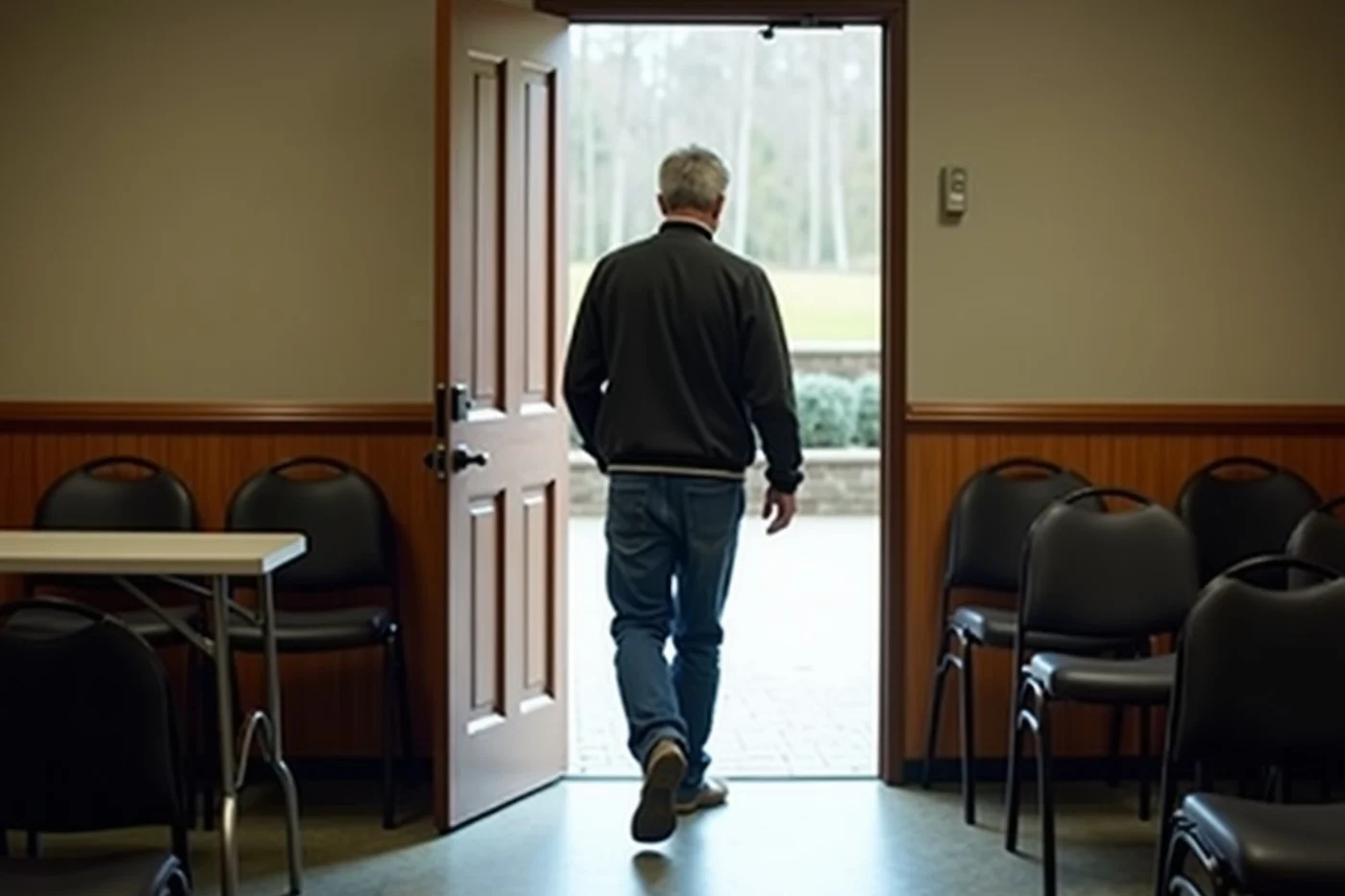
Watch for a listing recycled across multiple dates without updated venue or registration details. Repeated postponements, an unclear organizer history, or a claimed capacity that does not match the described room setup also deserve scrutiny.
Missing venue confirmation is the bluntest warning. A small group can still be a pleasant evening; a host who cannot say where it is happening or what occurs when attendance is low is not worth the commute.
Conversation Openers for Short Rounds
Brief rounds reward curiosity and recall, not a polished performance. Arrive with a few subjects that invite a real answer: how someone spends an unplanned evening, a recent activity they enjoyed, a place in the Cleveland area they return to, or the kind of relationship that fits their current life. One follow-up question based on their answer will carry more weight than racing through a memorized checklist.
Keep the exchange balanced. Work, family, travel, hobbies, and dating intentions all belong in the room, but rapid-fire questions about income, former partners, or a detailed future timeline can turn a four-minute introduction into a screening interview. After each round, jot down a few private words about what you discussed while it is still fresh. That note helps when selecting matches later, especially after several conversations blur together.
Confirm Cancellation and Refund Terms Before Registering
- Situation: You need to cancel Term To Confirm: Whether the organizer offers a refund, credit, transfer, or no reimbursement, plus the cutoff time. Record To Keep: Save the policy page and registration receipt before payment.
- Situation: Attendance is too low Term To Confirm: Whether the event proceeds, is rescheduled, or converts to a credit for another session. Record To Keep: Keep any notice describing the minimum attendance rule.
- Situation: The venue changes Term To Confirm: How attendees will be notified and whether a location change permits cancellation. Record To Keep: Retain the original venue listing and the update.
- Situation: The organizer cancels Term To Confirm: How and when a refund or credit will be issued. Record To Keep: Use the payment confirmation when requesting the stated remedy.
Fast Chemistry Is Useful, but Mutual Follow-Up Matters More
A match means both people selected each other after the rounds. The event page should say when results arrive and whether the organizer sends email introductions, contact details, or a link to view matches. Do not assume that a pleasant exchange produced a match; the process is private until the host releases results.
When contact details arrive, refer to the point that made the conversation memorable and suggest a fuller conversation, such as a short call or a simple meet-up. One clear follow-up soon after the match notice is enough. A speedy room introduction can open a door, but continued interest shows up in the next exchange.
Speed dating earns the commute when the organizer names the place, the format, the eligible group, and the cancellation terms before taking payment. Treat the evening as a short introduction, then give a promising match one clear chance to continue the conversation.