
First confirm which Aurora a match means: Aurora, Colorado, or Aurora, Illinois. Widows and widowers dating in Aurora should look for apps with dependable verification, location controls, accessible reporting, and moderation details, then meet briefly in a staffed public place and travel separately. A polished profile and verification badge offer no reason to lower those standards.
Published by Open Connection
Signs an app takes identity and moderation seriously
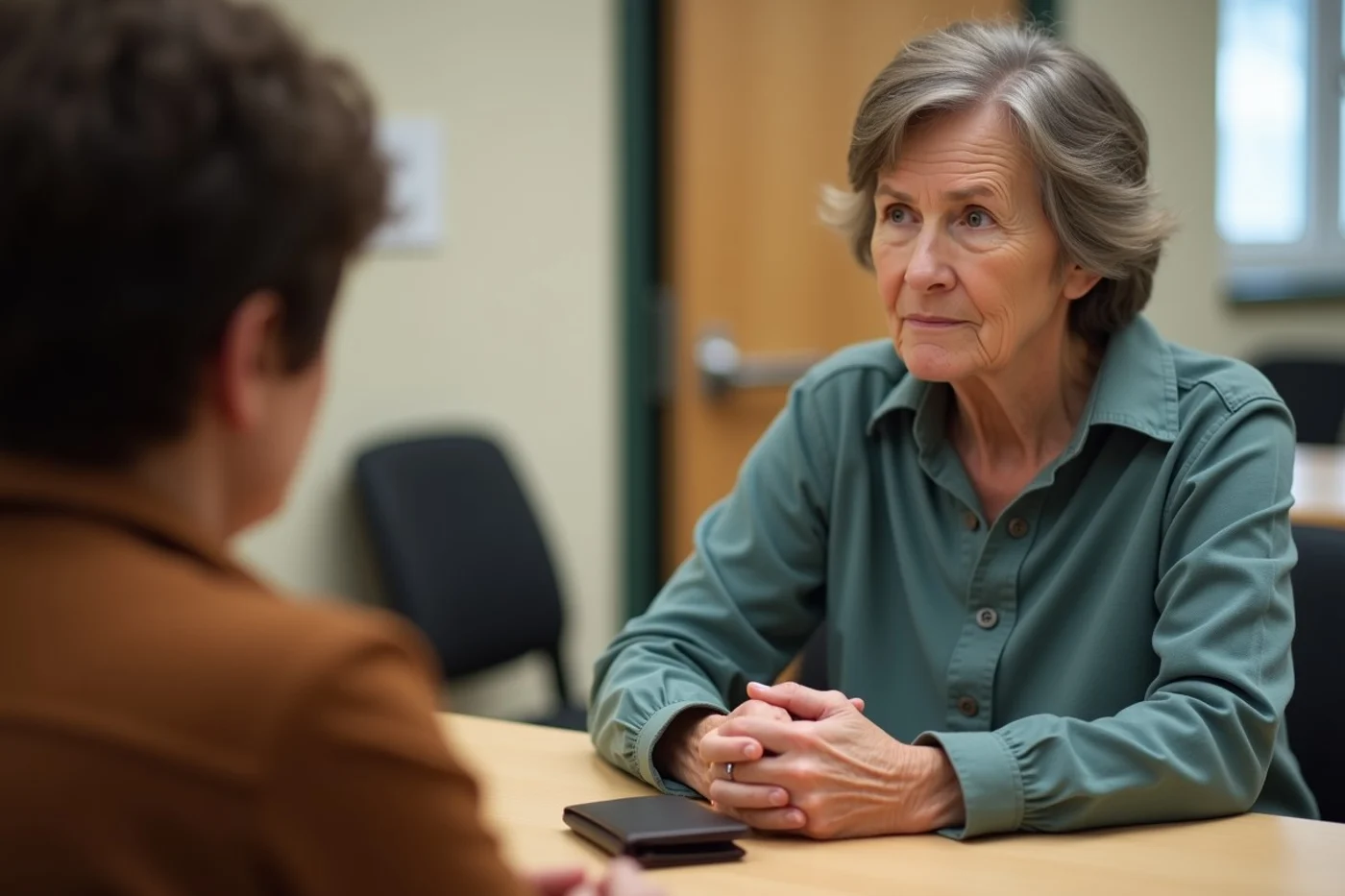
An app worth considering offers more than email login. Look for an identity check that uses a live selfie, video, government document, or another hard-to-fake step; clear rules on who can message whom; and an easy way to report impersonation, harassment, fraud, or unwanted sexual content. Photo-review tools and automated systems catch duplicate images, explicit material, or suspicious account activity. Human review is needed when automated tools miss context, such as repeated new accounts after blocks. Some apps also show account age or profile-completion details. These indicate how much information a profile has supplied, though they say little about conduct away from the app.
Many people read a verification badge as a character reference. It is not one. A selfie check confirms completion of a checkpoint at a particular time; it cannot establish intentions, relationship status, or financial honesty. Read the app's safety pages for the scope of verification, photo rules, review process, and routes to appeal or report a decision. Vague claims about a "safe community" should not count without those working details. An app that buries reporting behind several screens or offers only a generic contact form fails a basic safety test.
What can privacy settings actually conceal?
Location controls range from hiding precise distance to showing only a broad city area. Turn off exact-distance display where possible, and avoid profile text that identifies a small neighborhood, regular walking route, or nearby workplace. Use a first name or nickname, omit your surname and employer, and decline contact syncing unless you understand what information the app imports or suggests.
Settings that limit profile exposure reduce who sees you, while photo-sharing settings may require approval before an image is sent. Read receipts show when you are active and responding. Even with these settings, a photo, job title, family detail, or familiar Aurora backdrop can identify someone through a search or acquaintance. Assume every profile field can be copied.
Bereavement details can become leverage for manipulation
Grief gives a manipulator material to exploit. End the exchange if someone quickly mirrors your loss, claims unusual insight into your late spouse, seeks secrecy, or tries to separate you from family and friends who may question the relationship. A sudden medical crisis, travel emergency, investment opportunity, or request to receive or send money warrants the same response. The Federal Trade Commission warns consumers about romance scams and advises against sending money to an online romantic interest.
Blocking, reporting, and evidence records
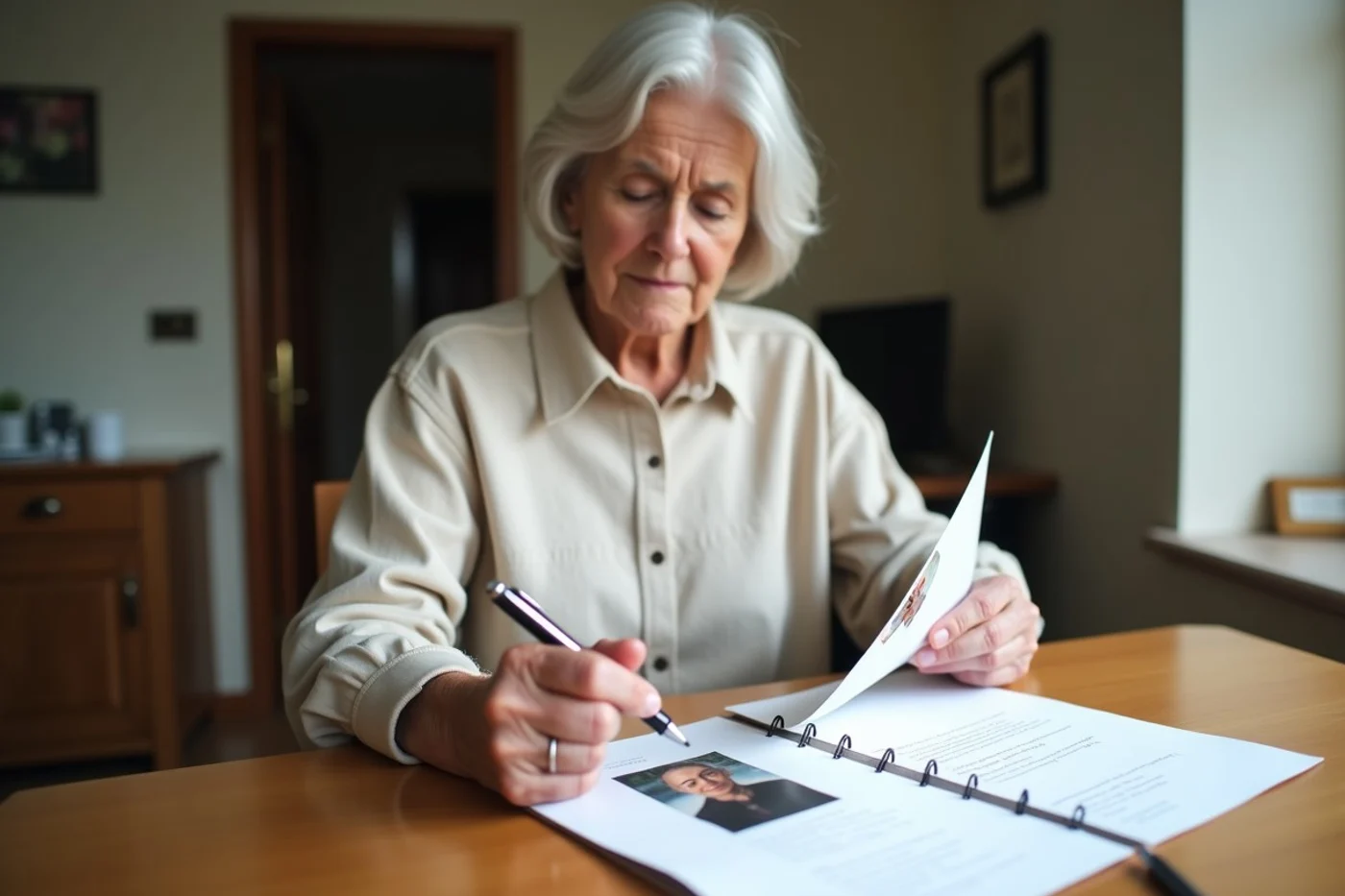
- Preserve the profile name, handle, photographs, message thread, timestamps, and any payment request with screenshots before taking action. Save payment receipts, transaction IDs, email addresses, and phone numbers if money or account access was involved.
- Report the account through the app's reporting tool and choose the closest available category, such as impersonation, fraud, threats, or harassment. Include concise facts and the saved material when the form allows attachments.
- Block the account on the app and on any phone, email, or social channel the person reached. Do not continue a conversation to collect an explanation; the record you already saved is enough for a report.
- For financial fraud, contact the bank, card issuer, payment service, or cryptocurrency platform immediately, then report the incident to the Federal Trade Commission. Contact local law enforcement when there is an immediate threat, blackmail, or stalking concern.
When an Aurora match is ready for an in-person meeting
Confirm which Aurora the match means before picking a place. Aurora, Colorado, and Aurora, Illinois are separate cities, and a broad city label can hide an entirely different travel plan. Keep the first meeting at a staffed café, restaurant, or similar public venue with employees and other patrons present. Daytime coffee or an early meal works well because it has a clear endpoint and requires neither person to share a home address.
Arrive and leave independently. Do not accept or offer a pickup, and do not move the date to a home, hotel, secluded park, trailhead, or second location after the first venue closes. Set a short initial window before leaving home; an hour is enough to confirm basic comfort and conversation without letting the date drag on.
Tell one trusted contact the venue, the match's profile name, the planned arrival and departure times, and your transportation plan. Arrange a check-in after you arrive and another when you are home. A date who reacts badly to a public venue, separate rides, or a time limit is giving you a clear reason not to meet.
Verify safety claims through primary and independent sources
Check an app's current help center, safety center, data policy, and reporting instructions before building a profile. App-store update notes show whether a stated control is still maintained. For scam claims, use Federal Trade Commission consumer guidance alongside the app's own documentation. A published feature list describes what an app says it offers; it cannot show how quickly a report will be handled in a real case.
Convenience matters only within an acceptable risk threshold
Set your minimum standard before matching: an identity-check option, broad location display, an easy block button, a report route that names fraud and harassment, and safety documentation explaining what follows a report. For someone returning to dating after a spouse's death, these are baseline controls, not premium extras. Even a popular app does nothing for someone trying to limit exposure if it lacks one of them.
Personal tolerance belongs in the final choice. Someone who does not want an employer, surname, or precise area revealed should leave any platform that requires those details for ordinary use. Someone who has already faced a scam attempt may reasonably require stronger verification and keep all communication inside the app until an in-person meeting is arranged. Convenience is a poor reason to accept controls you would not trust with a stranger.
Dating after the loss of a spouse need not mean handing strangers your history, address, or money. Choose platforms that expose their safety controls, keep early contact contained, and treat resistance to a public Aurora meeting as a reason to walk away.
Sources for this guide
- What To Know About Romance Scams — Federal Trade Commission
- Federal Trade Commission — official information — Federal Trade Commission