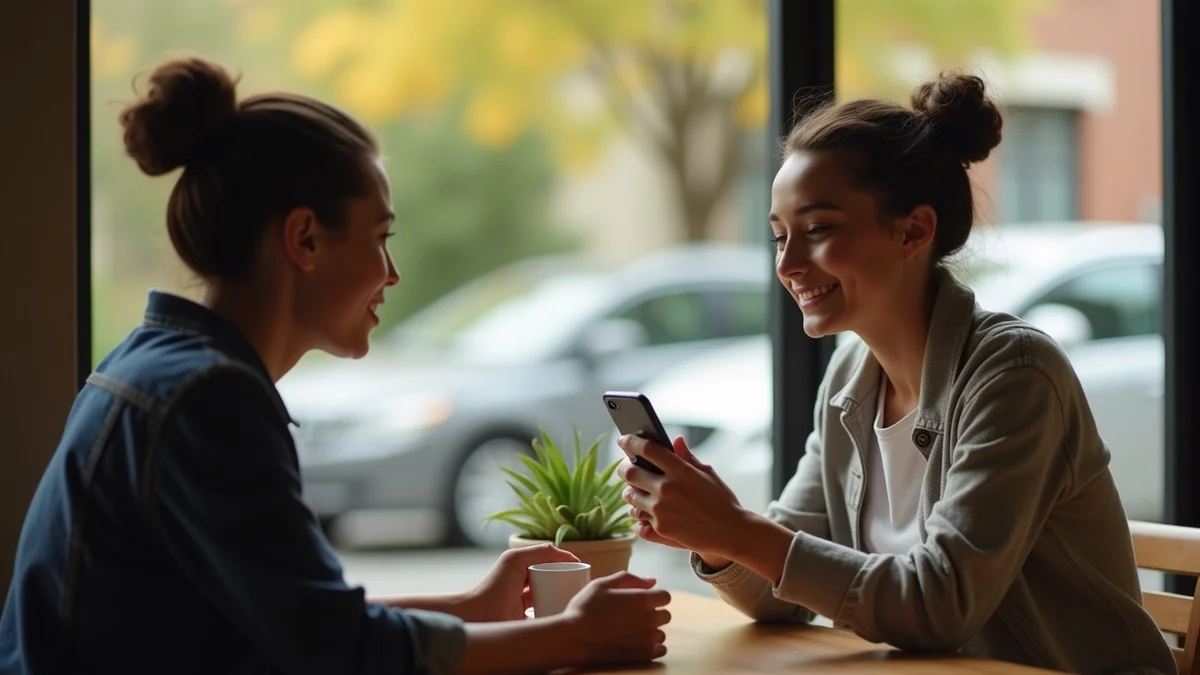
A shared label can create a false sense of familiarity. Latino singles in Santa Ana can meet compatible people through community-centered activities and profiles that name the parts of culture, language, family life, and commitment that genuinely matter to them. Labels don’t do that work.
Published by Open Connection
Signals of cultural compatibility are personal, not automatic
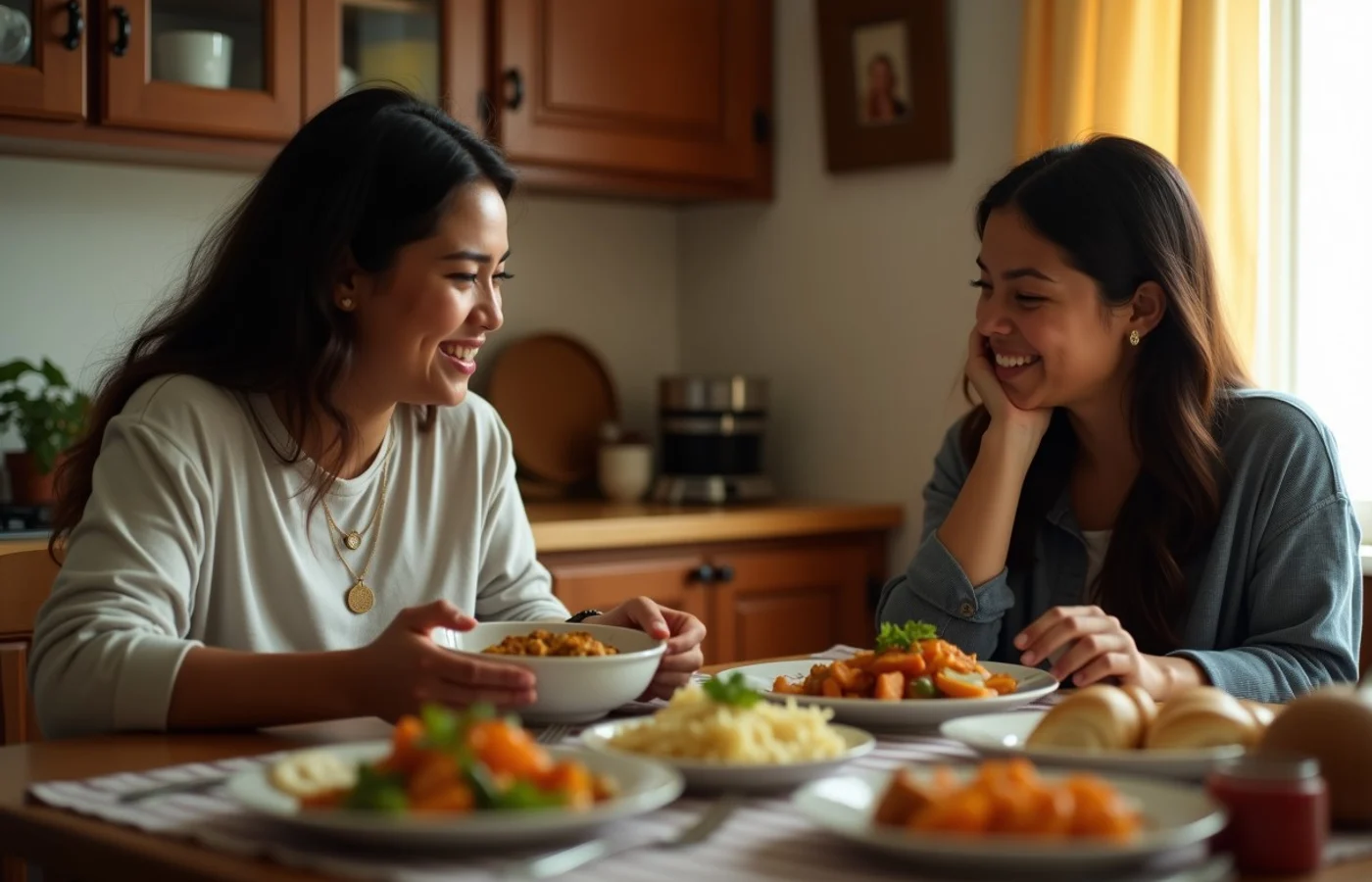
Cultural compatibility comes into focus through choices: which holidays matter, how often family gathers, what food or music belongs in a weekend, whether faith guides daily life, and what a committed partnership should look like. The Latino label can open a conversation, but it cannot settle any of those questions. A person may feel deeply connected through family traditions, neighborhood life, language, activism, art, or a mix of all of them.
Look for details that describe a life, not a category. Someone who regularly hosts cousins for dinner may be seeking a partner who enjoys a full household. Someone else may value heritage while wanting a quieter routine with more independence from family. Neither position needs defending; they point to different relationships. Compatibility becomes clearer when both people can describe what they want their shared life to include.
Santa Ana’s community calendar creates natural meeting opportunities
Santa Ana offers public-facing places to find activities where culture and conversation have a real subject. Check the City of Santa Ana calendar, Santa Ana Public Library programming, Bowers Museum event listings, and Santa Ana College announcements for current cultural programs, talks, classes, and civic gatherings. Local arts calendars around Downtown Santa Ana and the Artist Village can also surface exhibitions, performances, and community projects. For volunteer work, look to neighborhood organizations and city-based causes that post open shifts or project days. Professional associations, chambers, and alumni groups can be better fits for people hoping to meet peers with a similar work rhythm.
Dance studios and instructor calendars are another route for people who genuinely enjoy salsa, cumbia, bachata, folklórico, or social dancing. The point is not to turn every event into a dating venue. Attend something you would choose on its own merits, then let conversation grow from the activity in front of you. A volunteer project reveals how people spend a Saturday; an arts program can lead to a discussion about family memories, local history, or creative interests. For someone traveling across Orange County after work, an event near a familiar route is more likely to become part of a repeatable routine than a one-night outing across town.
When Spanish, English, or both shape the connection

Language carries comfort, humor, family access, and sometimes a sense of home. State whether Spanish, English, or both feel most natural for messaging and dates. Mentioning fluent, conversational, or limited Spanish can prevent an awkward assumption later, particularly when a person hopes a future partner can participate in family gatherings. Spanish fluency is not an entrance exam for cultural belonging.
Code-switching often follows the moment. A bilingual conversation can shift when a relative calls, a childhood memory surfaces, or a joke lands better in one language. Treat that shift as part of how someone communicates, not a puzzle to solve or a performance to judge. Ask what language feels comfortable in everyday conversation and whether a partner’s willingness to learn matters more than fluency. That discussion is far more revealing than treating vocabulary as proof of identity.
Profile details that clarify family and relationship expectations
A dating profile should describe the life another person would actually join. Family language needs detail. Saying that family matters leaves too much unsaid; explain whether you share weekly meals, live near relatives, travel for major celebrations, or expect to introduce a partner only after the relationship has become serious. Those details distinguish close family ties from an expectation that every social plan includes relatives.
Faith belongs in the profile when it shapes dating choices, attendance, celebrations, or hopes for marriage. Pair cultural details with a clear relationship intention: companionship, a committed relationship, marriage-minded dating, or another honest description. Santa Ana location signals can help too. Mention a real local routine, such as spending time in Downtown Santa Ana, attending arts programs, volunteering, or building a career in Orange County, without pinning your profile to an exact address. A profile built from real habits gives a compatible match concrete reasons to reach out.
Questions that often come up
Can non-Latino people participate in Santa Ana community spaces to meet someone?
Yes, provided the activity itself interests them. Treat a class, cultural program, volunteer project, or public gathering as a community space first. Curiosity about a person’s life is welcome; treating heritage as a novelty or expecting strangers to provide a cultural lesson is not.
How early should family expectations come up when dating?
Bring them up early when family involvement will shape weekends, holidays, housing decisions, faith practice, or the pace of commitment. A brief, honest description prevents two people from building momentum around incompatible assumptions.
Should a Santa Ana dating profile name a neighborhood?
Naming Santa Ana or a general part of Orange County can help with travel expectations. A broad local reference and a few real interests are enough; an exact home address or workplace does not belong in a public profile.
The strongest connection will come from clear facts about your life: the traditions you carry, the language where you relax, the place family holds, and the commitment you seek. Santa Ana offers settings to meet people, but those details determine who is actually a fit.