
A shared workout can start a conversation, but it cannot carry a relationship by itself. In Atlanta, fitness-minded singles often meet through recurring running, recreation, climbing, dance, and outdoor activities, then find out whether their calendars and relationship plans line up.
Published by Open Connection
When Fitness Is Already Part of Your Atlanta Routine
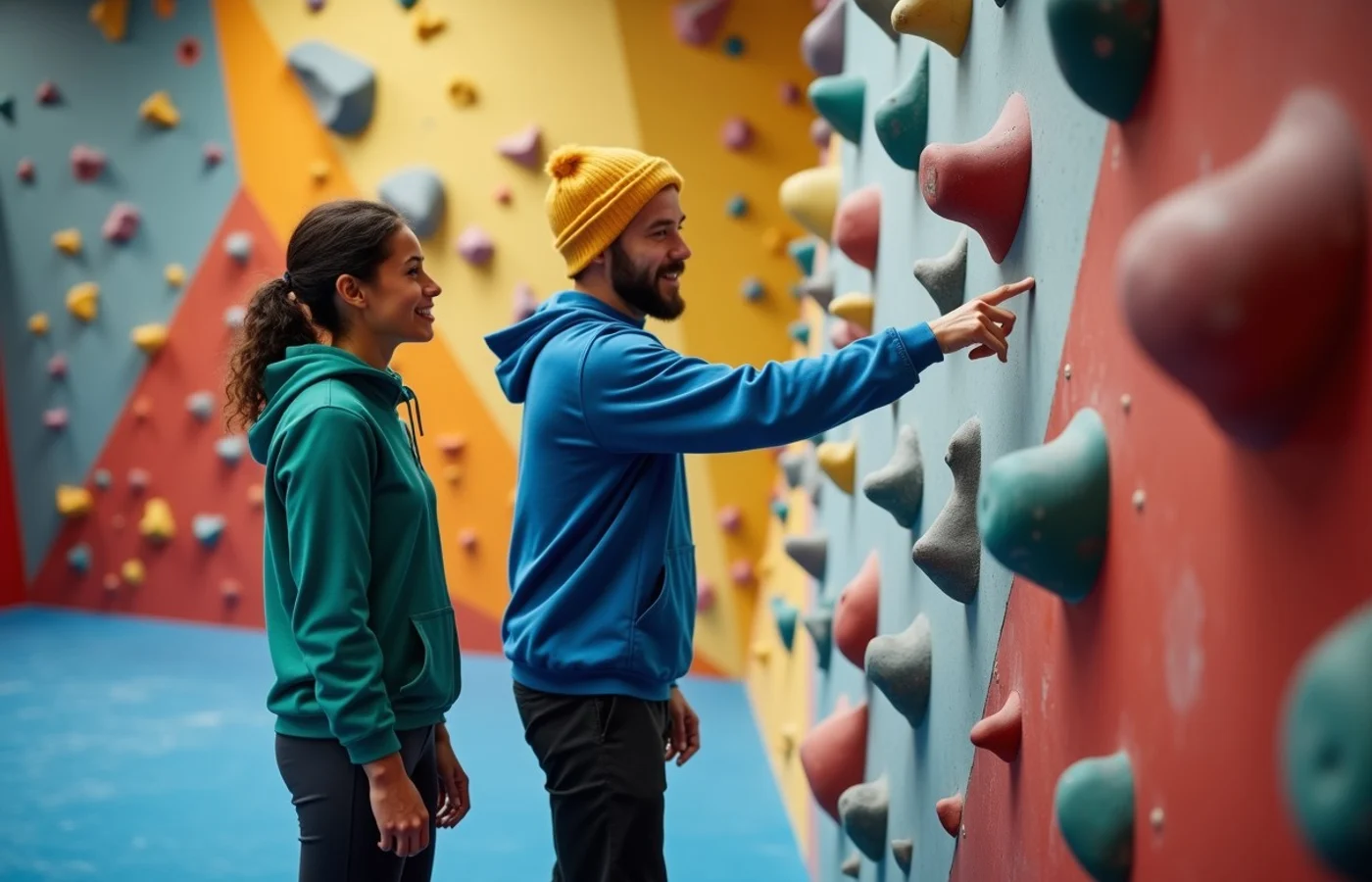
People who see one another at a recurring activity have more than a polished opener: they have shared context. A regular route on the Atlanta BeltLine, a group run in Piedmont Park, a weekly climbing session, or a continuing dance class puts familiar faces in view without making every encounter a dating audition. Conversation can grow from the activity itself—an upcoming event, a difficult route, a team result—then move naturally toward interests outside it.
Structured participation also reveals the shape of someone’s week. Atlanta Track Club offers events and training-related programming for runners who prefer an organized setting, while recreational leagues and outdoor groups bring together people who may never choose the same dating app filters. Attend because the activity belongs in your life. The connection is more promising when both people are there for the run, game, or class as well as the possibility of meeting someone.
Atlanta’s Active Communities Create Several Paths to Connection
Conversation tends to have more space around team sports, group walks, volunteer days connected to outdoor spaces, and classes with a social pause before or after the activity. Atlanta Sport and Social Club offers adult recreational leagues, a better setting for getting to know teammates across several games than a one-off gym encounter.
Fitness-focused app communities can widen the search beyond the neighborhood where you train. Use them to find a local group or identify someone who names an activity they genuinely do, then meet through a public group event before treating the connection as a date.
Signs a Fitness Match Shares Your Relationship Pace
A finish-line photo shows that someone ran a race. It says very little about whether they want an exercise buddy, a casual date, or a committed partner. Profile language offers a clearer starting point. Someone centered on finding training partners may be looking for company during workouts. A profile focused on spontaneous plans, vague availability, and little personal context often points toward casual dating. A person who identifies a relationship outcome and describes a life beyond fitness has given you more to work with.
Behavior fills in the rest. A social exercise partner generally keeps plans tied to the activity and does not show interest in learning about your wider life. A casual dater may make last-minute plans and avoid discussing what they are seeking. Someone ready to build a relationship follows through, makes time beyond a workout, and can discuss how dating fits alongside training and work. None of these labels are insults. Trouble starts when one person treats cycling, lifting, or running together as proof that both people mean the same thing.
Ask yourself what you are actually hoping to share. A weekend hike may suit someone seeking a companion for active outings. A person looking for a long-term partnership also needs interest in conversations, downtime, friends, and plans that do not revolve around a fitness calendar. Shared activity is a good opening; shared direction is the decision.
Where Can Dating Fit Around Two Training Schedules?

Two active adults can have full calendars for very different reasons: early runs, evening league games, recovery days, work travel, family obligations, or a class that cannot move. Treat those commitments as calendar facts. A connection that only exists in one person’s narrow post-workout window will soon feel lopsided, even when both enjoy the same sport.
Talk early about when each person is genuinely available to meet and whether rest time is protected. Dating does not require joining every workout. It does require both people to make space for plans that suit each person’s energy and schedule. Coffee after a morning walk, a low-key meal on a recovery day, or a non-exercise outing can show whether the relationship has a place outside training.
Turn a Shared Activity Into a Respectful Invitation
A group activity is not an invitation to pursue every person who attends it. Let ordinary conversation develop first, and wait until the run, class, game, or volunteer task has finished. During drills, race staging, or team play, people are entitled to focus on what they came to do. The same applies to a BeltLine run or a Piedmont Park gathering: public space does not turn interruption into welcome attention.
When there has been a comfortable exchange, make one direct invitation to something separate from the group, such as coffee after a future activity or a casual date on another day. State the invitation plainly enough that the other person can distinguish it from general friendliness. Give them an uncomplicated way to decline, then accept the answer without negotiation, repeated asks, or a change in how you treat them at the next gathering.
Group dynamics matter after the invitation. Do not recruit teammates to ask on your behalf, turn a group chat into a private pursuit, or make the shared activity awkward for someone who said no. A mature response protects the reason both people joined the community in the first place.
Profile Signals for Active Atlanta Singles
An active dating profile needs more than gym photos. Name the activities you enjoy, how often they take up your week, and whether you want a partner who participates alongside you or simply respects that part of your life. Mention the relationship direction you are pursuing and the parts of Atlanta where you can realistically meet. That gives a match a clearer picture than a string of achievement photos.
Ability level deserves the same candor. Someone who trains intensely can still be a strong match for a person who prefers walks, recreational play, or occasional classes, provided neither expects the other to perform at the same level. Describe enthusiasm without presenting fitness as a test someone must pass. The profile should show a life with movement in it, not a recruiting notice for your training plan.
Training Compatibility Matters, but Lifestyle Compatibility Matters More
Two people can love the same activity and still clash badly outside it. Training compatibility covers matters such as preferred pace, early mornings, recovery time, travel for events, and comfort with competition. Those details affect dates quickly. One person may treat a Saturday run as the center of the day; another may enjoy the run but expect to spend the afternoon with friends, family, or a partner.
Lifestyle compatibility reaches further. Consider how each person handles rest, meals, social drinking, late nights, money spent on hobbies, and time with people who do not share the activity. Competitive drive can be energizing in a race or league game and exhausting when it spills into every plan. A partner does not need to copy your routine, but contempt for it will wear on the relationship.
Long-term priorities settle the larger question. Does fitness serve health, community, stress relief, achievement, or identity? Is there room in the week for a relationship to grow? Can both people enjoy a date that has no performance element at all? Those answers say more about a future together than matching workout statistics.
Meet fitness singles in Atlanta where people return regularly and have a reason to talk beyond a profile photo. Then move the connection beyond the activity soon enough to learn what matters: availability, relationship intent, generosity around different routines, and a life that still works when nobody is wearing workout clothes.