
A degree field can narrow a dating pool, but it does little to stop impersonation or unwanted contact. For college-educated singles dating around Murrieta, a safer app clearly explains its verification, data visibility, contact, blocking, and reporting controls before you share personal details. Academic and professional profiles provide conversation context, not identity confirmation.
Published by Open Connection
Which Safety Features Matter Before You Create a Profile?
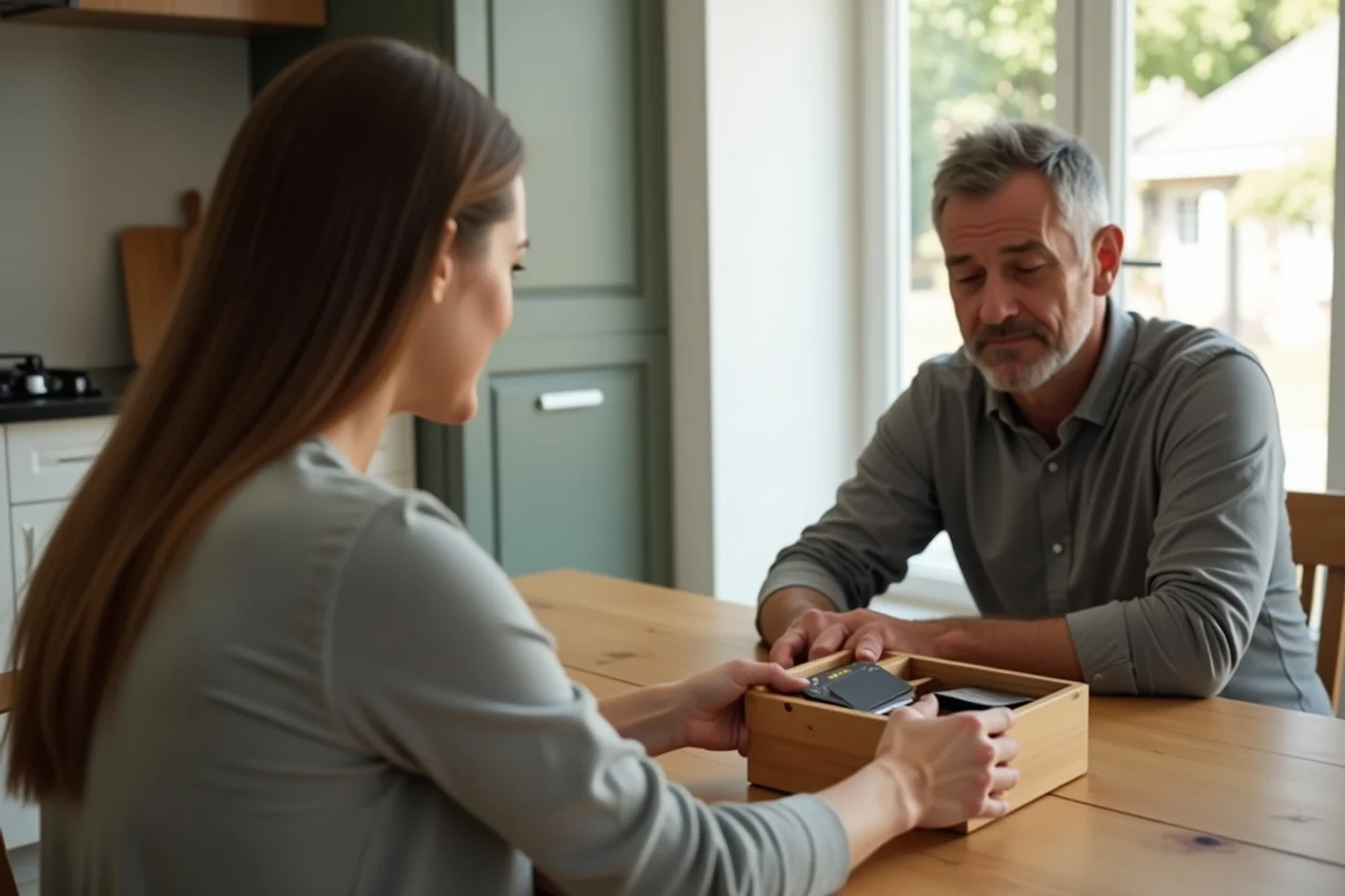
Review Hinge, Bumble, Coffee Meets Bagel, and The League as platforms to audit, not safety labels. Read each app's current safety and account-data help pages before building a profile. A worthwhile baseline includes clear answers about identity verification, profile-report handling, who may contact you, and where block and report controls appear in a conversation. An app that buries those answers behind vague reassurance has already failed a basic test.
Location settings deserve equal attention in Murrieta. A broader distance range may include matches in Temecula, Menifee, or Lake Elsinore, yet keep your home block, workplace, campus, and daily routine out of your profile. Check whether the app uses a distance radius, lets you limit who sees you, and allows you to remove a match without supplying a reason. Keep early conversations inside the app, where blocking and reporting remain available. The Federal Trade Commission also publishes consumer guidance on romance scams, including scams that begin on dating and social platforms.
Identity and Education Claims Need Different Levels of Trust
Verification and credentials answer separate questions. The exact meaning of a verification badge varies by app and may involve a photo, phone number, or identity document. A badge cannot establish that a listed degree, employer, title, relationship status, or intention is accurate. A college name or advanced degree is easy to type into a profile; an employer description can be copied from a public biography; polished professional language can be lifted from someone else's account. Use the education field only as a compatibility preference. Do not send a diploma image, work badge, résumé, employee directory link, school login, or work email to settle a stranger's claim. Those requests expose information that can be used for account recovery attempts, social engineering, or impersonation. Keep your own profile broad: name a field of study or general line of work when it matters to you, while leaving out your employer, graduation year, department, and any detail that pinpoints where to find you.
After a Match’s Murrieta Story Stops Adding Up
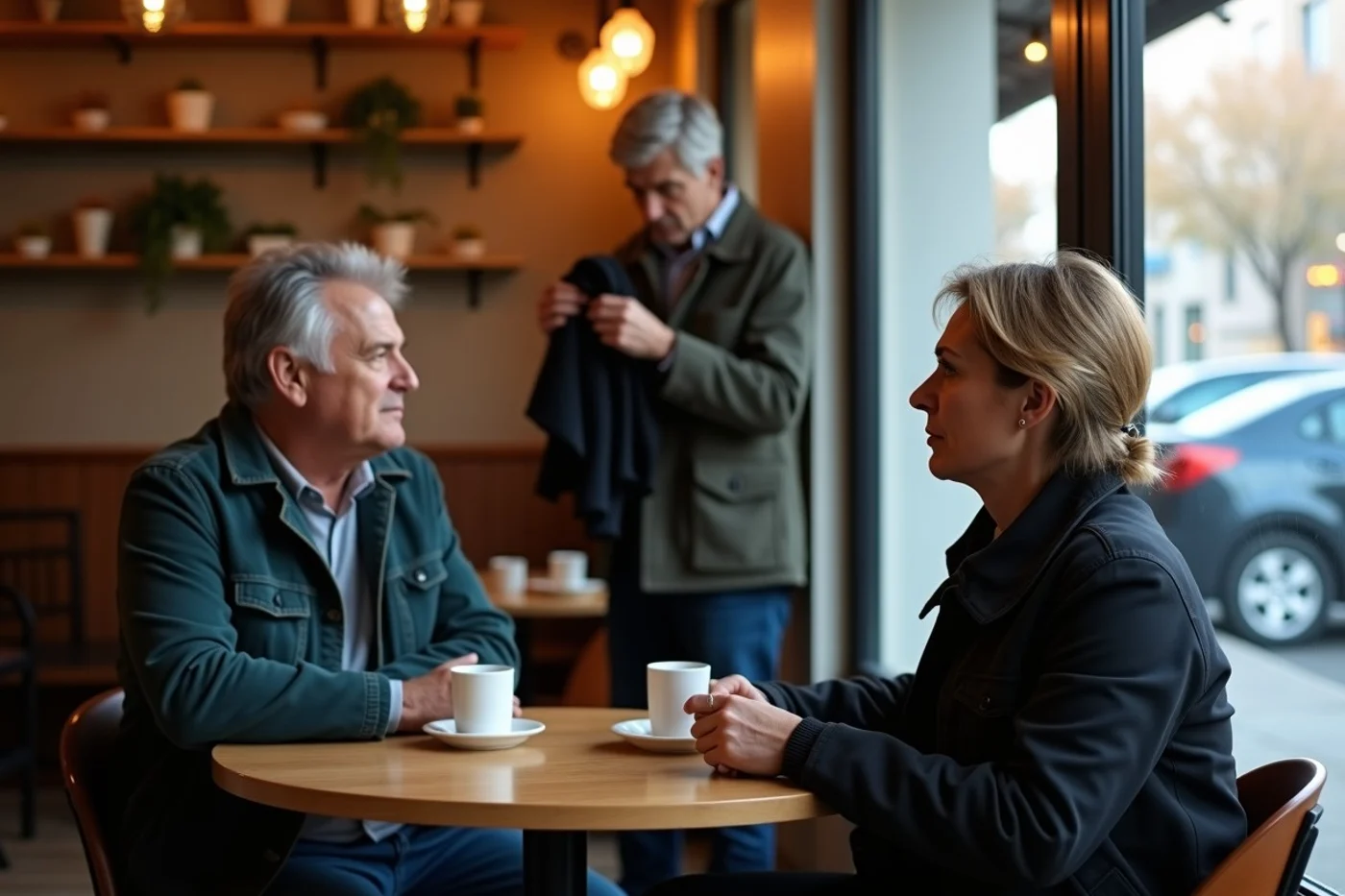
Living in Temecula, Menifee, or Lake Elsinore fits a Murrieta search radius. Concern arises when a location story keeps changing: a profile claims to be local, cannot agree on a nearby public meeting place, and repeatedly introduces travel, an emergency, or a vague work assignment when it is time to make plans.
Copied professional details deserve the same scrutiny. A profile that leans hard on a prestigious degree or job title while pressuring you to prove your own credentials is looking for leverage, not connection. End contact when a match asks for money, gift cards, account codes, financial help, or access to work and school systems. Block the account and report it through the app.
Warning Signs That Support Continuing, Blocking, or Reporting
- Signal: Profile details remain consistent, communication stays respectful, and the match accepts in-app conversation. Action: Continue cautiously within the app and keep your phone number, work email, home address, and employer details private. Reason: You retain access to the platform's safety tools while deciding whether the person is worth meeting.
- Signal: A match gives one material inconsistency about location, work, or identity. Action: Pause plans and seek a concrete clarification through the app before sharing more information. Reason: A clear answer may resolve a simple error; evasive answers add weight to the concern.
- Signal: The person pressures you for credentials, pushes contact off-app, ignores a boundary, or creates new accounts after being removed. Action: End contact, block the account, and file an in-app report. Reason: Contact pressure and boundary violations call for access control, not further negotiation.
- Signal: Any request for money, gift cards, banking information, login codes, or financial rescue appears. Action: Block and report the profile immediately; report suspected fraud through the FTC's consumer reporting channels as well. Reason: Financial requests are a direct fraud warning, regardless of the person's stated education or profession.
An app's audience label says little about how it handles an intrusive or deceptive profile. Put more weight on clear controls, limited personal disclosure, and your willingness to end a conversation once it becomes a credential test, repeated demands, or a financial request.
Where the factual details come from
- Federal Trade Commission — official information — Federal Trade Commission
- Coffee Meets Bagel — official information — Coffee Meets Bagel
- Lake Elsinore, California — official information — Lake Elsinore, California
- Hinge — official information — Hinge
- Bumble — official information — Bumble
- The League — official information — The League