
Companionship starts with deciding whether you want a friend to share time with, a romantic partner, an exclusive relationship, or a future household. Asian singles seeking it should name that place plainly, use one dating channel and one recurring in-person setting that suit it, and end exchanges that turn heritage into a fantasy.
Published by Open Connection
Companionship can involve different levels of emotional and romantic commitment

Friendship-first dating centers on regular time together, trust, and the chance for romantic interest to develop without a rush toward exclusivity. An affectionate partnership adds emotional and physical closeness while leaving the long-range shape of the relationship open. Exclusive romance means both people have agreed to date only each other. Long-term commitment points toward building a shared future, which can include marriage, a household, or another durable partnership.
Those labels change what each person needs to discuss. Someone looking for weekend outings and steady company without immediate exclusivity needs a different match from someone who expects a committed relationship soon. Naming the level of closeness you mean keeps a promising connection from resting on two incompatible definitions.
Preferences become limiting when they rely on ethnic stereotypes
An ethnic preference becomes disrespectful when it assigns a personality, sexual role, family role, or appearance standard to a whole group. Fetishization often appears in messages that focus heavily on ethnicity, assumptions that an Asian person will be quiet or compliant, requests to prove cultural authenticity through language or food, or demands to fit an imagined national origin.
Someone interested in companionship will be curious about your life, humor, interests, and relationship intentions. Someone who returns every conversation to your ethnicity is pursuing a category, not getting to know you. End that exchange early. There is no obligation to educate a stranger who insists on making your background the main event.
As family expectations enter dating choices
Family expectations can shape dating logistics: introductions through relatives, keeping a new relationship quiet, the timing of meeting parents, religious practices, or a preference for a partner who can participate in family life. A dater can want family involvement early, later, or not at all.
Dating gets strained when a partner reads keeping things quiet as shame or an early family introduction as a promise of marriage. Bring up the role family plays once the connection has enough momentum to discuss expectations honestly. The question is about timing and limits, not whether one approach is more authentic.
Culture, language, migration history, and individual identity
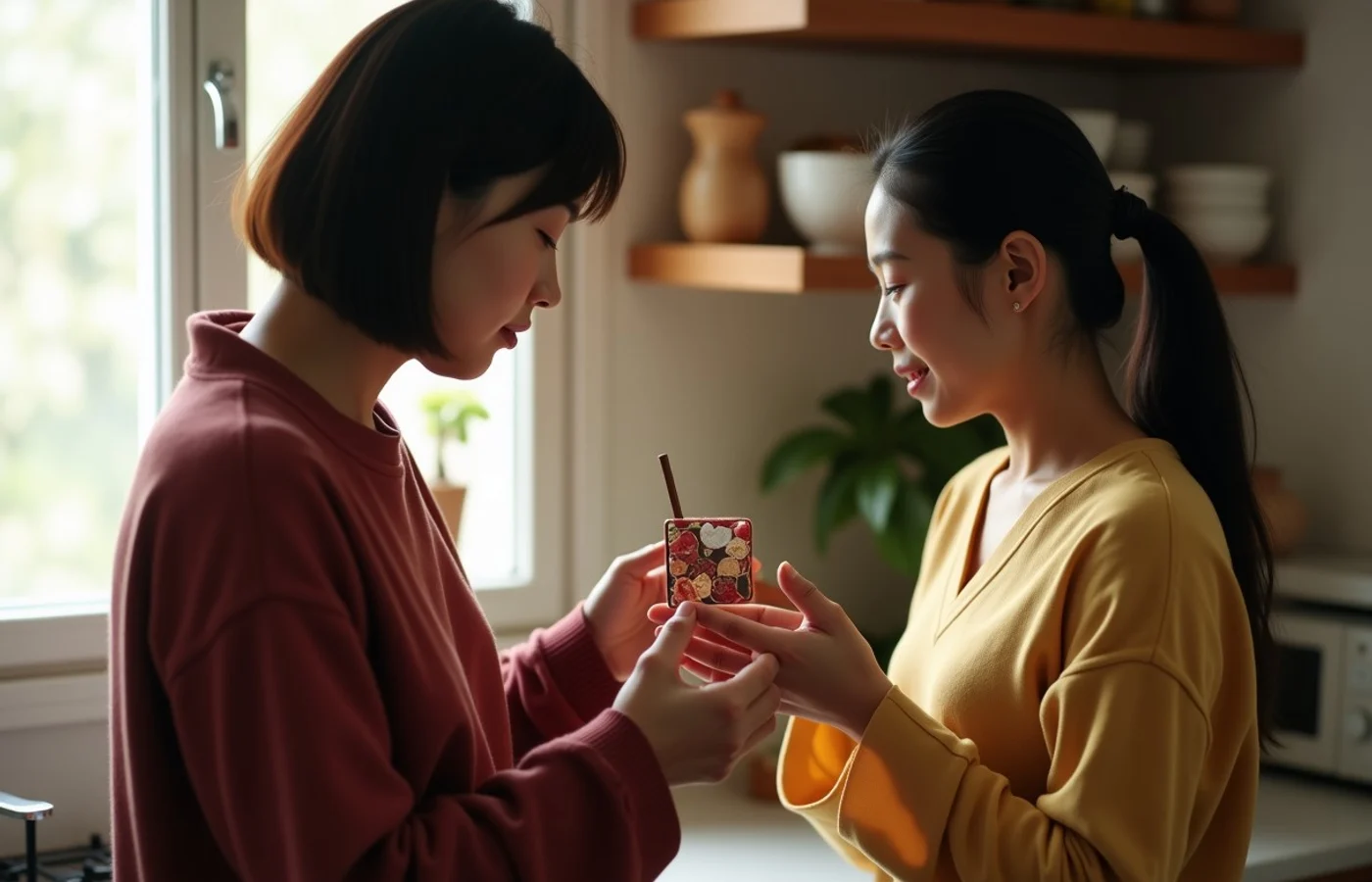
Asian identity spans many ethnicities, nationalities, religions, languages, generations, migration histories, adoption experiences, and mixed heritages. Asian is a broad regional label, not a shared dating biography.
That difference affects which cultural references feel familiar, what language is spoken at home, and whether family traditions belong in dating at all. Ask about someone’s own history when it becomes relevant; do not fill in details from an identity label.
Where can Asian singles look for companionship?
Online dating platforms put relationship intentions and location in front of a large pool of people, which often suits companionship that includes romance or a search for a committed partner. Read profiles for compatible pace and substance before investing in a long exchange. On any platform, review its blocking, reporting, and profile-sharing settings before sharing more than basic profile information.
Interest groups create a different kind of contact. A language class, volunteer project, hiking group, book club, recreational league, or arts event gives people something to do together before date expectations take over. Recurring activities matter because they show whether conversation and reliability hold up beyond a polished profile.
Professional communities, cultural organizations, and introductions through trusted networks can also fit, especially when shared community context matters. Use a dating platform for intentional discovery and one recurring activity for relaxed familiarity. Those two channels cover different parts of companionship without turning every new acquaintance into a prospect.
A shared background can ease context, but broader communities expand possibilities
A niche dating community or identity-centered social space can reduce the amount of explanation around language, holidays, family participation, or experiences with racism. It also lets people signal that cultural context matters to them without making it the only subject of attraction. Broad dating communities usually offer a wider local reach and more varied relationship intentions, including people outside a specific identity group. They demand clearer screening because a larger pool also brings more stereotype-driven attention. Start with one shared-background channel when cultural understanding is a core part of the relationship you want, then pair it with one broad channel that has enough people seeking the same level of companionship. This is the stronger route: it protects room for cultural ease without shrinking your entire dating life to an ethnic label.
State your companionship goal clearly
Write the profile around the relationship you want to build, then add the pace and boundaries that shape it. Name friendship-first dating, affectionate partnership, exclusive romance, or long-term commitment; describe whether you want regular plans and time to know each other before escalating; mention a few interests that could become shared time. Add a boundary around identity in terms of personal conduct: interest in your own story is welcome, while ethnic assumptions are not. Avoid claims that speak for an entire culture or invite people to test your authenticity. Clear language draws attention toward compatibility and gives stereotype-driven interest less room to hide.
Companionship gains shape when the relationship label, meeting setting, and treatment you expect all point in the same direction. Interest that cannot survive a boundary about ethnicity is not the connection this search is for.