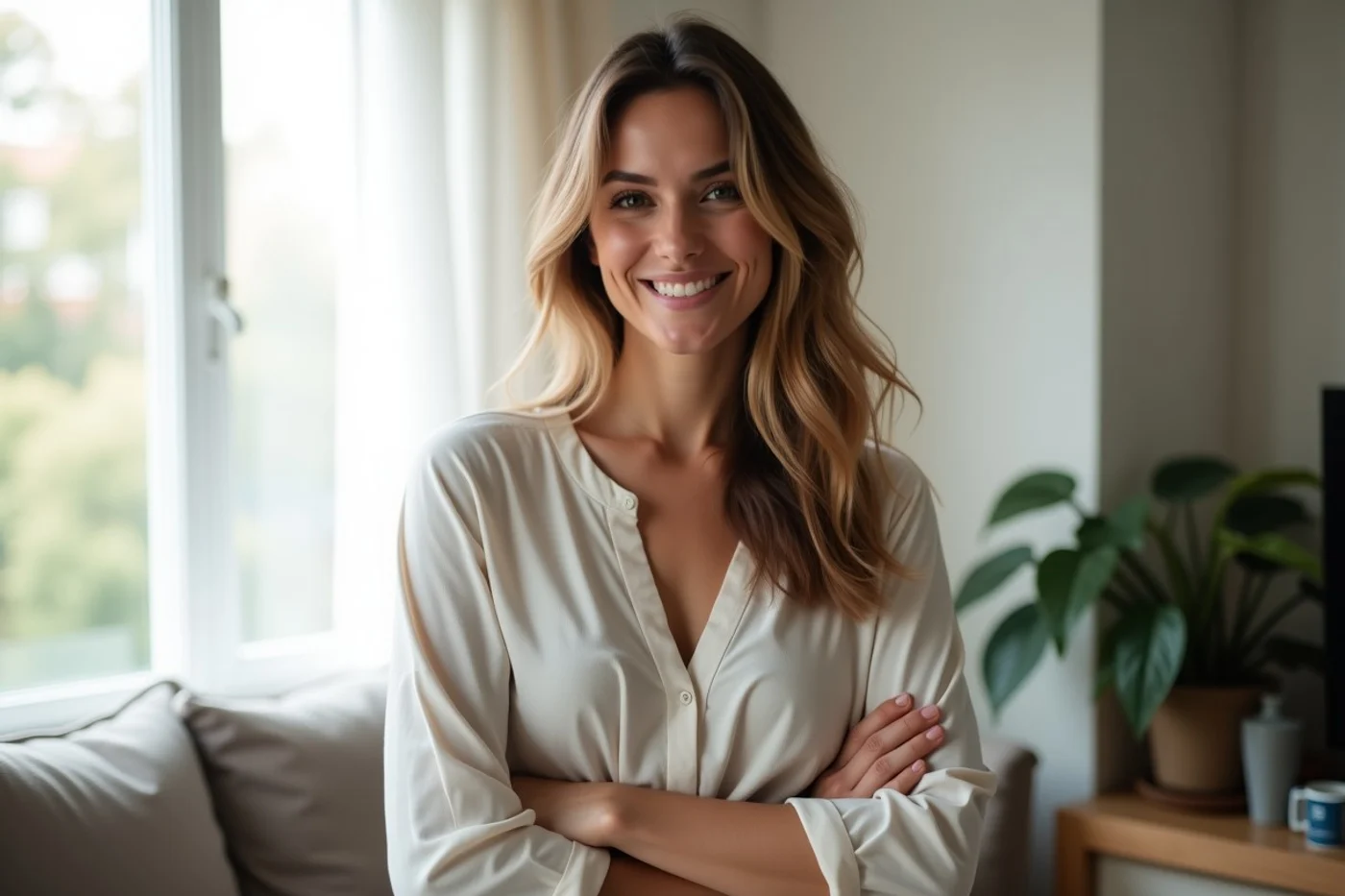
Most profile-photo mistakes have a simple cause: people cannot quickly see who you are or picture you in daily life. Put a current, well-lit solo photo that plainly shows your face first, then use the remaining images to give a consistent, natural view of your appearance and interests.
Published by Open Connection
When you are selecting the first photo people will see

Your lead photo has one job: make you immediately recognizable. A distant landscape shot, a dark bar photo, mirrored sunglasses, a hand across your face, or a group picture asks viewers to do unnecessary detective work. They usually will not. The first image is not the place to be mysterious, artistic, or clever at the expense of a clear first impression.
Pick a recent solo photo where your face takes up enough of the frame, your eyes are unobscured, and light falls from the front or side. Daylight near a window or an outdoor photo taken in open shade usually gives a truer result than harsh overhead light. A relaxed expression is enough; forced glamour can look less inviting than a clear, natural photo. Save the hiking vista, costume party, and friends-at-dinner image for later in the set, once people know which person they are looking at.
Age, editing, lighting, and framing problems
An old favorite photo becomes a liability when it no longer reflects your haircut, facial hair, body, or general style. Heavy smoothing, face-changing filters, and dramatic color effects create the same disconnect. Small corrections, such as a modest brightness adjustment or a straightforward crop, are routine; a photo that substantially reshapes your appearance is misleading.
Poor lighting can hide a perfectly accurate photo. So can a grainy upload, a crop that cuts through your chin or forehead, and a cluttered background that draws attention to an overflowing table or a stranger standing behind you. Use the original file where possible, leave space around your head and shoulders when cropping, and pick a setting that keeps the focus on you.
A varied photo set gives people useful context

Five near-identical selfies add almost no new information. They also leave someone wondering whether the profile has anything to show beyond one carefully managed angle. A stronger photo set gives each image a different job: What does this person look like close up? What is their everyday build and style? What do they enjoy doing? What are they like in a relaxed moment?
Include a clear portrait, a full-length image in normal clothes, and an activity photo that shows a real interest without turning the activity into a prop. Someone who cooks could be pictured preparing a meal; someone who enjoys museums could use a candid from a visit. The point is context, not proof that a hobby is impressive. One social photo can show that you spend time with other people, provided your identity is unmistakable.
A candid image often adds warmth because it shows posture and expression outside the standard selfie pose. Keep the selection grounded in your current life. A photo from a formal event is fine alongside day-to-day images, but a whole profile built from weddings, vacations, and posed celebrations can make daily life disappear.
Signals that viewers may not know which person you are
Group photos become confusing when they arrive before a clear solo image, include several people with a similar look, or appear more than once. A viewer should never have to compare faces across pictures to identify the profile owner. Keep any group shot later in the sequence and use one where you are easy to spot.
Confusing impressions also come from photos that show dramatically different hair, facial hair, glasses, or body presentation without a current image to anchor them. Repeated hats, helmets, masks, costumes, or sunglasses create the same problem. Show your usual face early, then add the occasional styled or playful image for context.
Polished presentation without a misleading impression
Selecting your strongest photos makes sense. Cropping out a distracting edge, correcting dim light, and picking an angle you like are normal forms of presentation. Trouble starts when every image is old, every face is filtered, or every pose hides the same part of your appearance. That approach may attract attention, but it creates an awkward first meeting when the photos have done too much editorial work.
A balanced order is straightforward: begin with a current solo face photo, follow with a full-length image, then add an everyday activity or candid shot. A social image and one more portrait or interest photo can round out the set. This order gives viewers the basics before the extras, while still leaving room for style and personality. A trusted friend can be useful here; ask whether the set looks like you on a normal good day, not whether every image is maximally flattering.
The most effective profile photos are clear before they are impressive. Show your current face, include an ordinary full-length view, and use the rest of the set to reveal a little of your real life. Recognition first; personality follows.